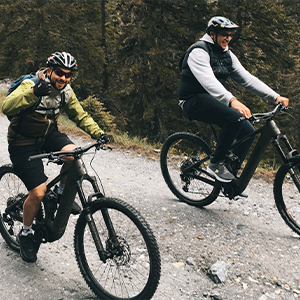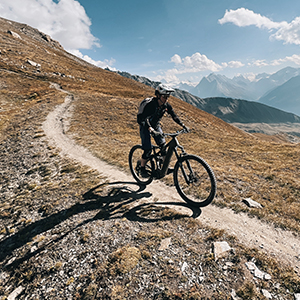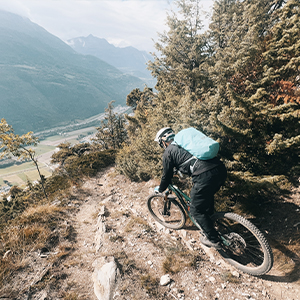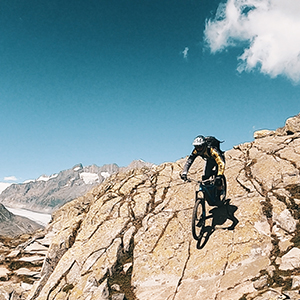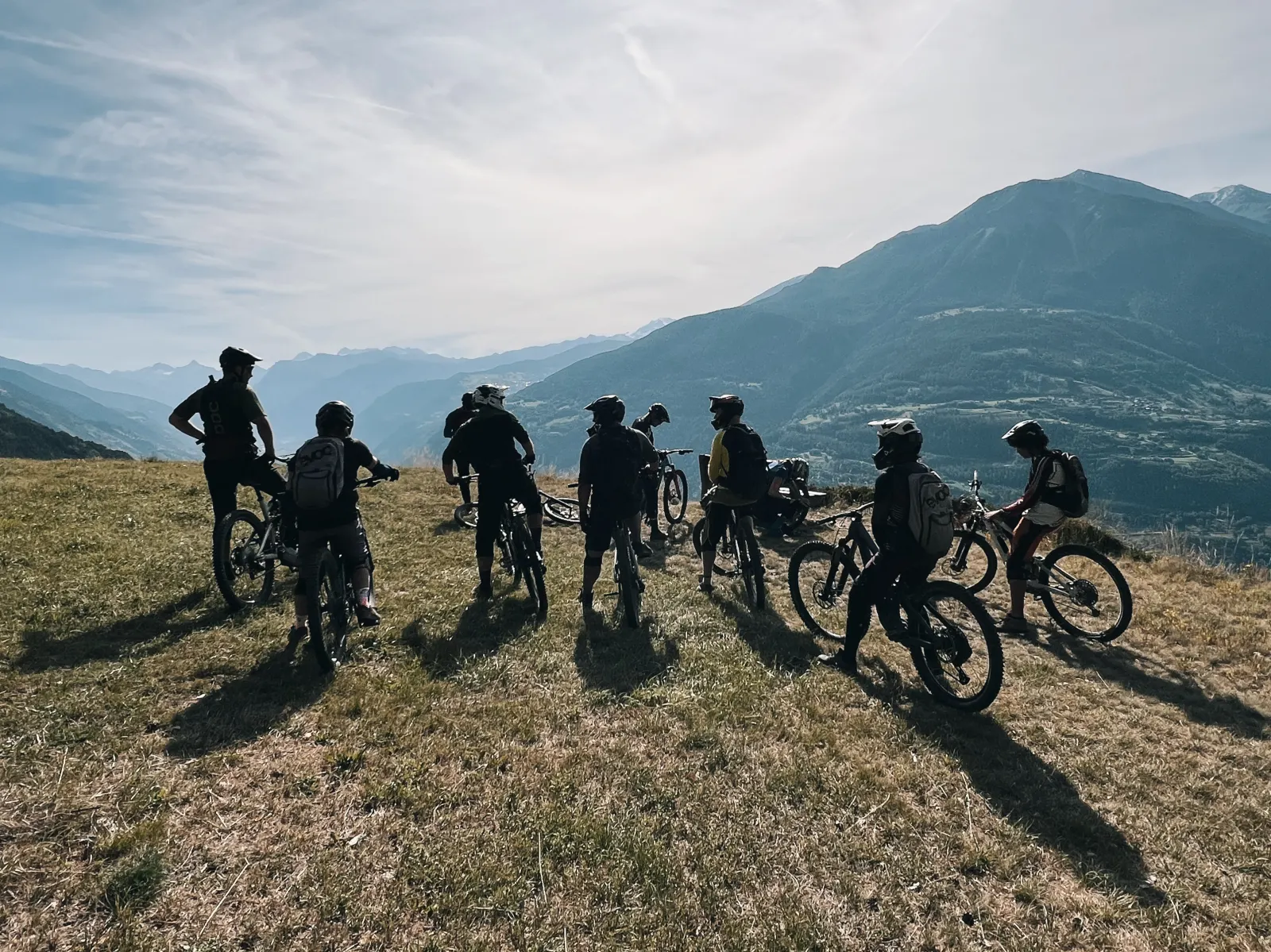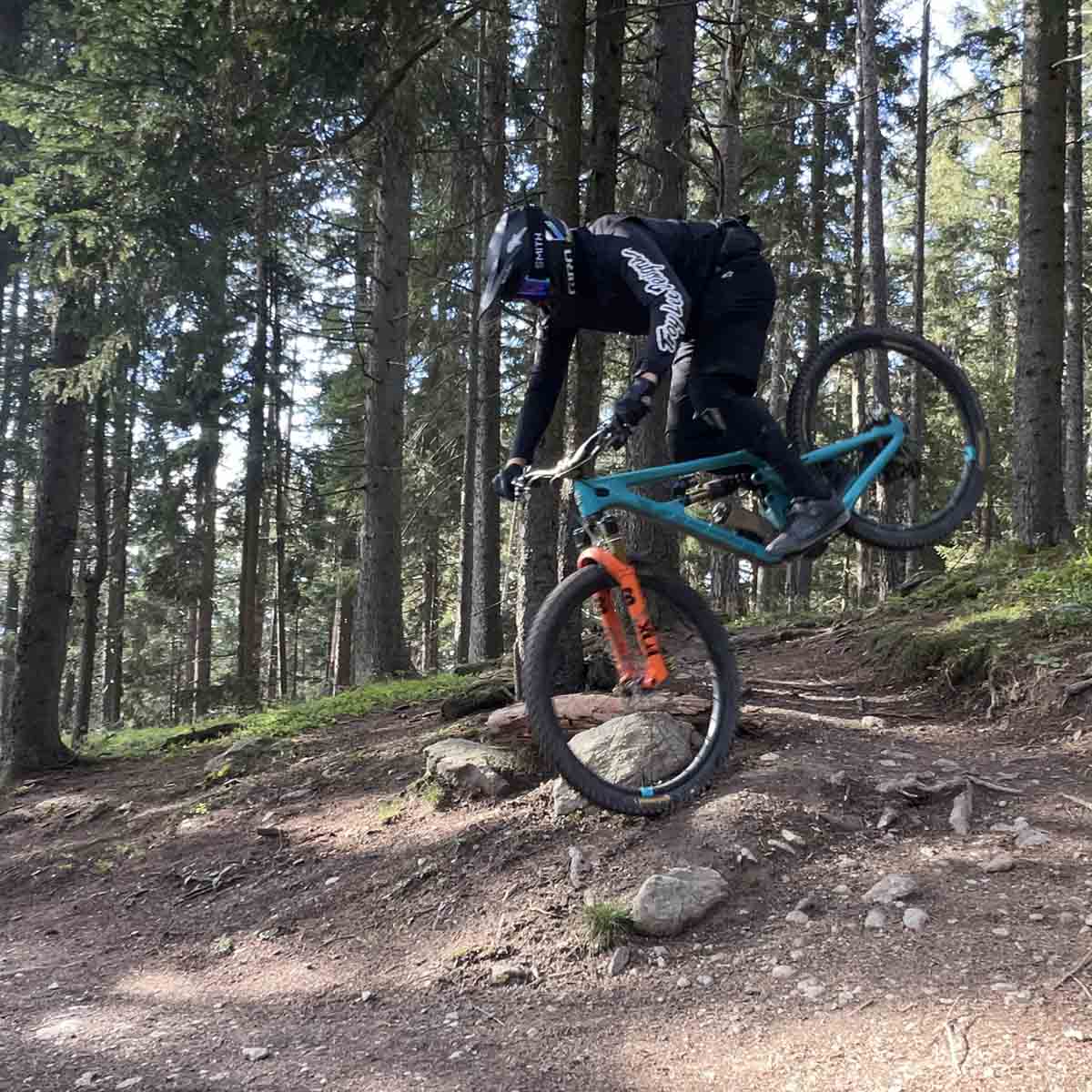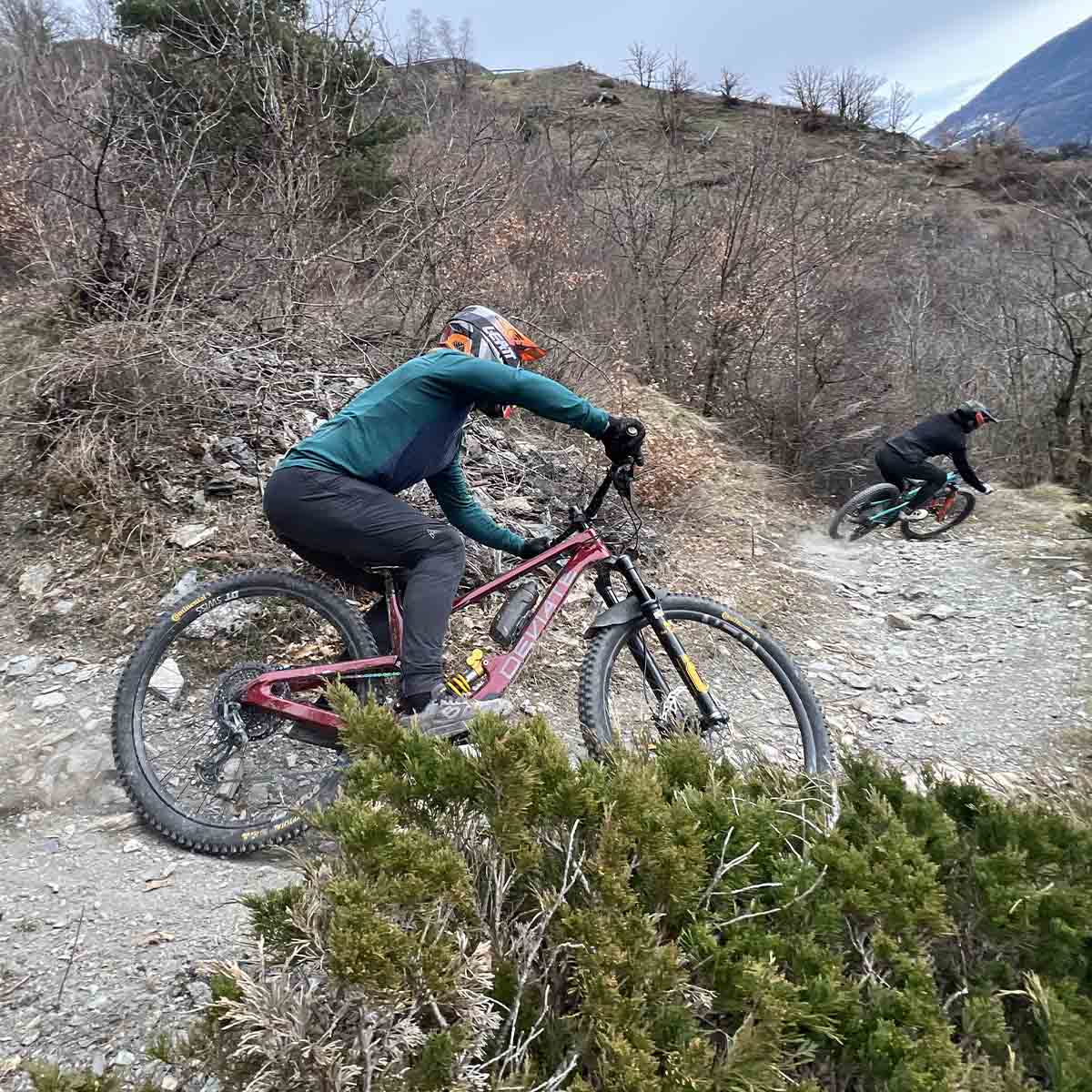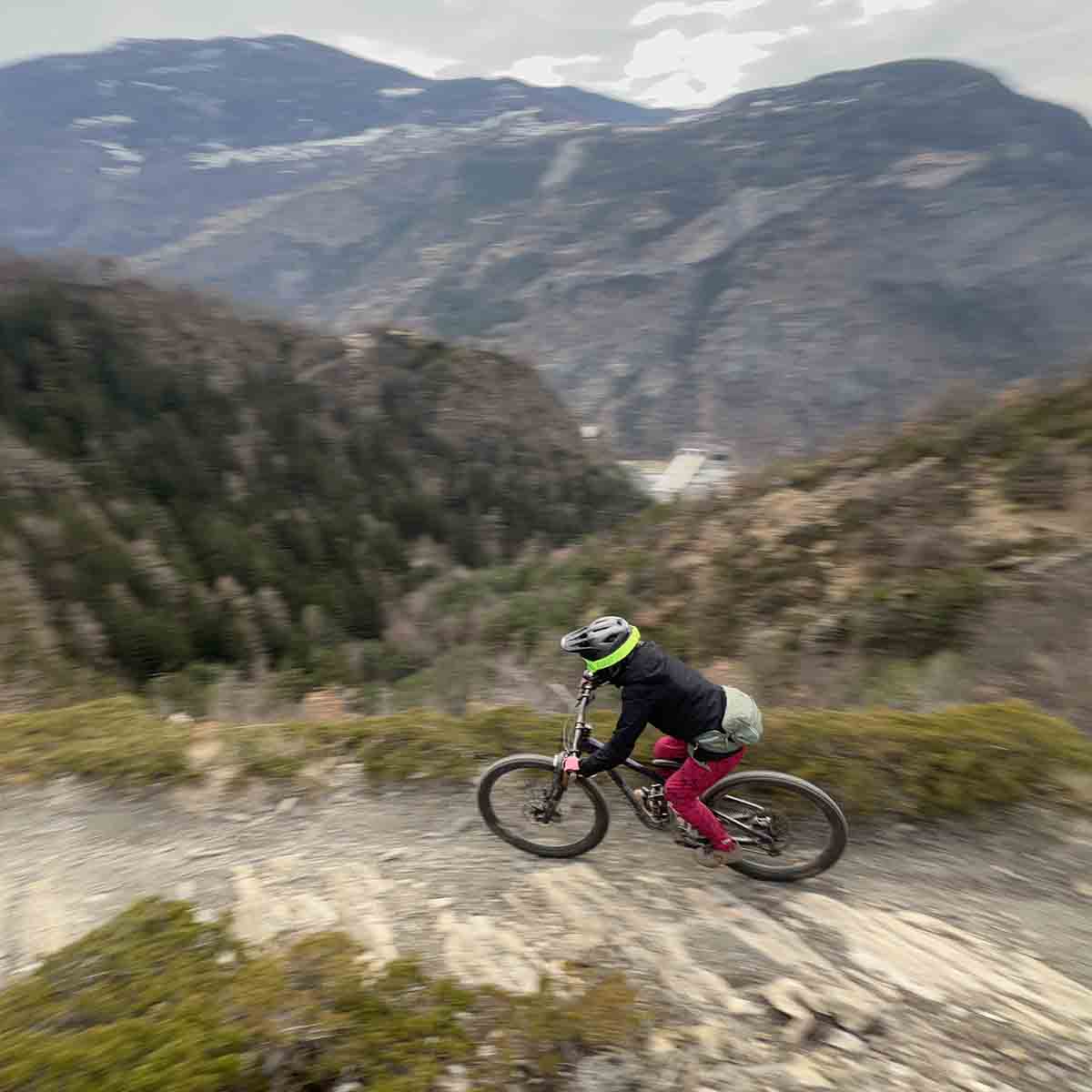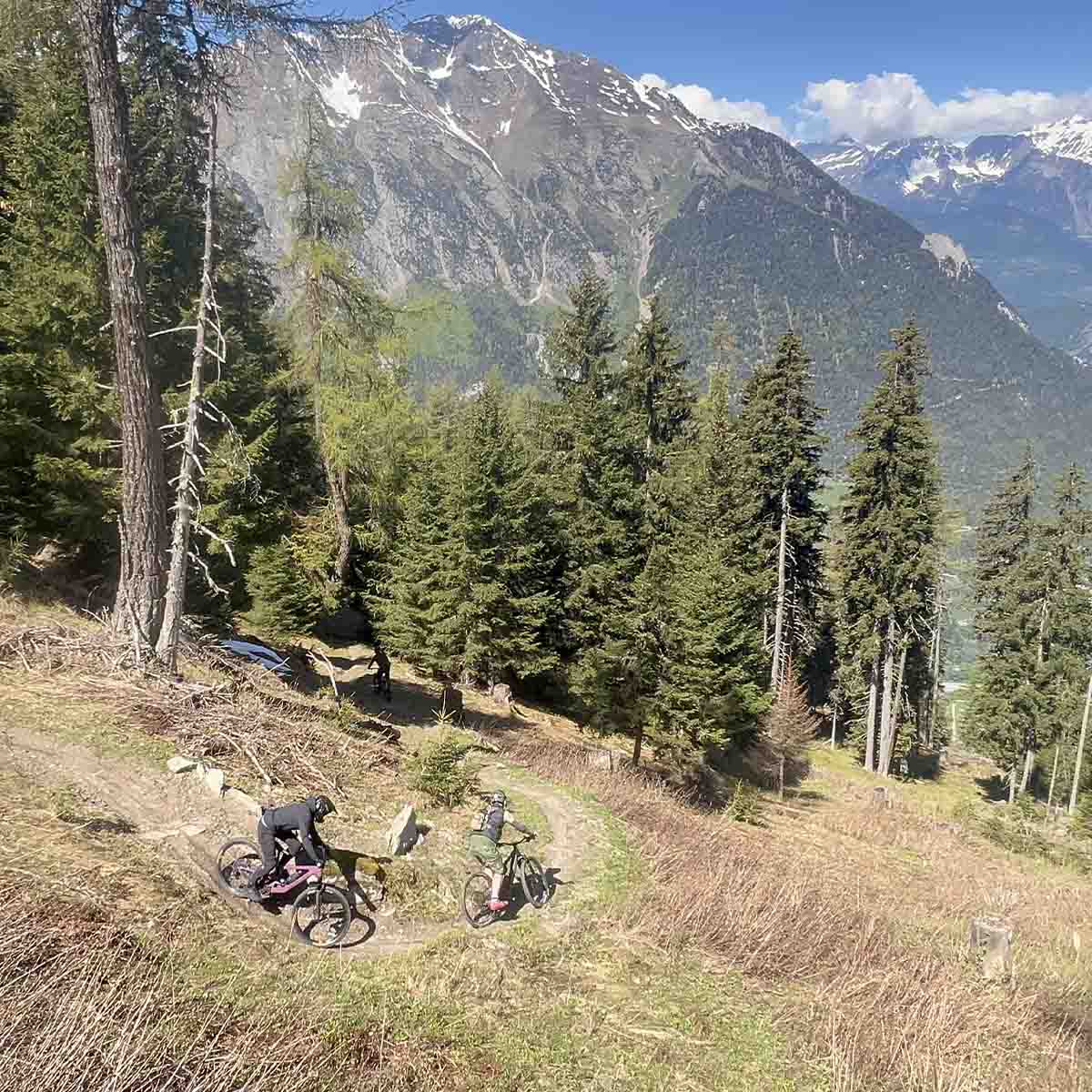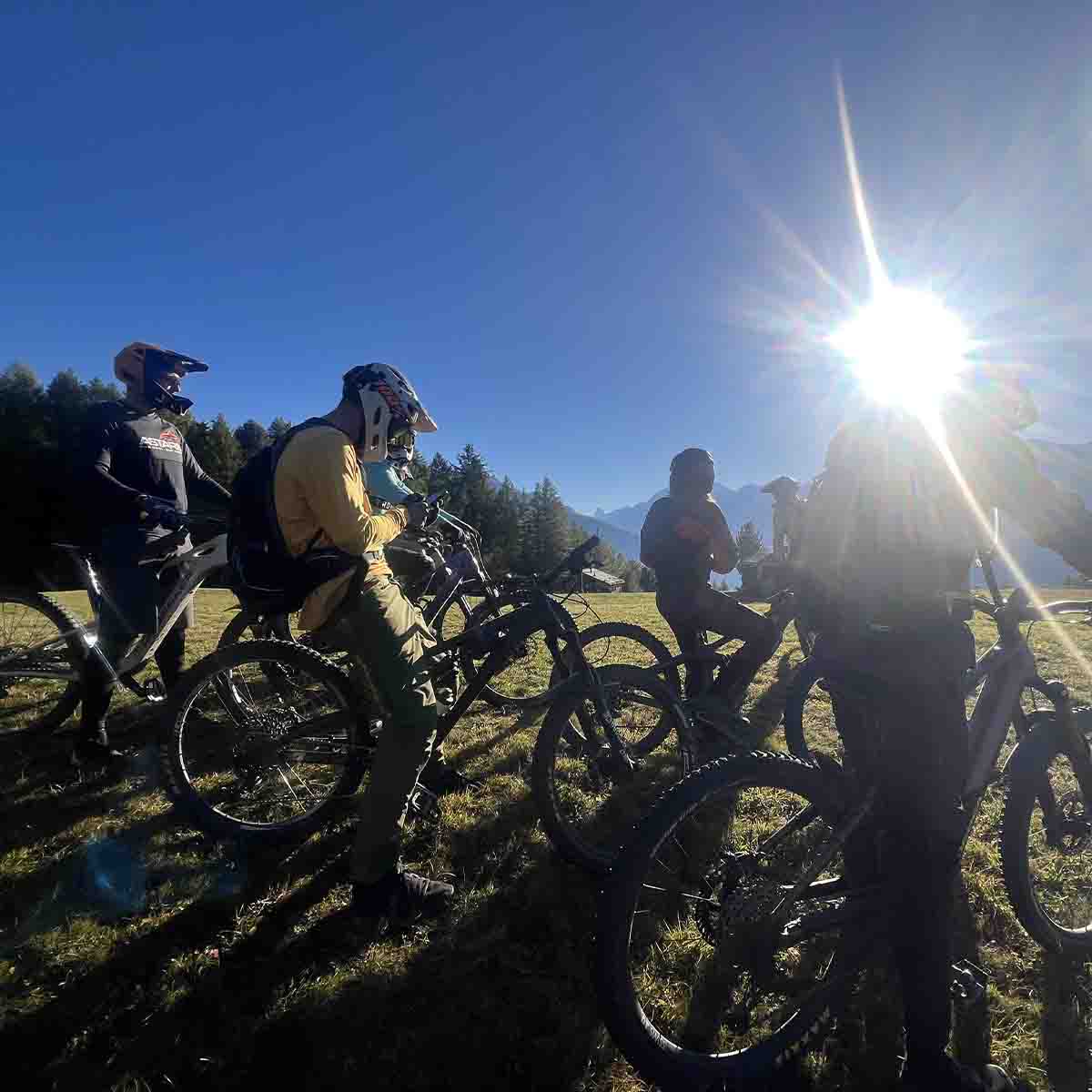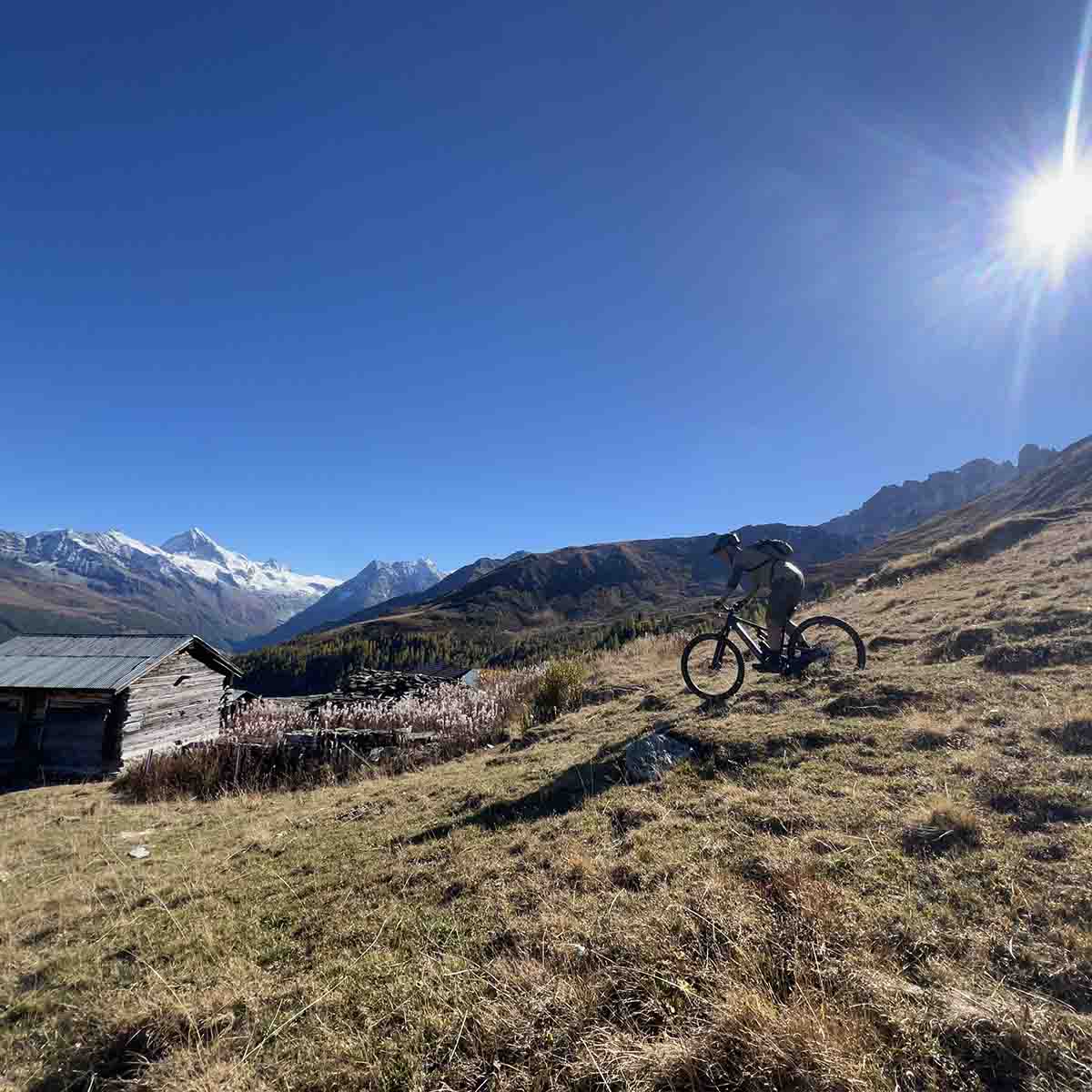
A shuttle day is not a relaxed day. You skip the climbing, which sounds like the easy option, and then you stack up 5,000 metres of descent and discover that descending has its own kind of tiredness, one that arrives in the hands long before the legs.
Here is what actually wears you out on a full day of uplift, and how the people who do it often make it to the last run in one piece.
It is not your legs that give up first
Descending is mostly eccentric work: your legs absorb rather than push. You feel fine at eleven in the morning and your quads quietly fill up anyway, which is why the soreness turns up two days later rather than on the day itself.
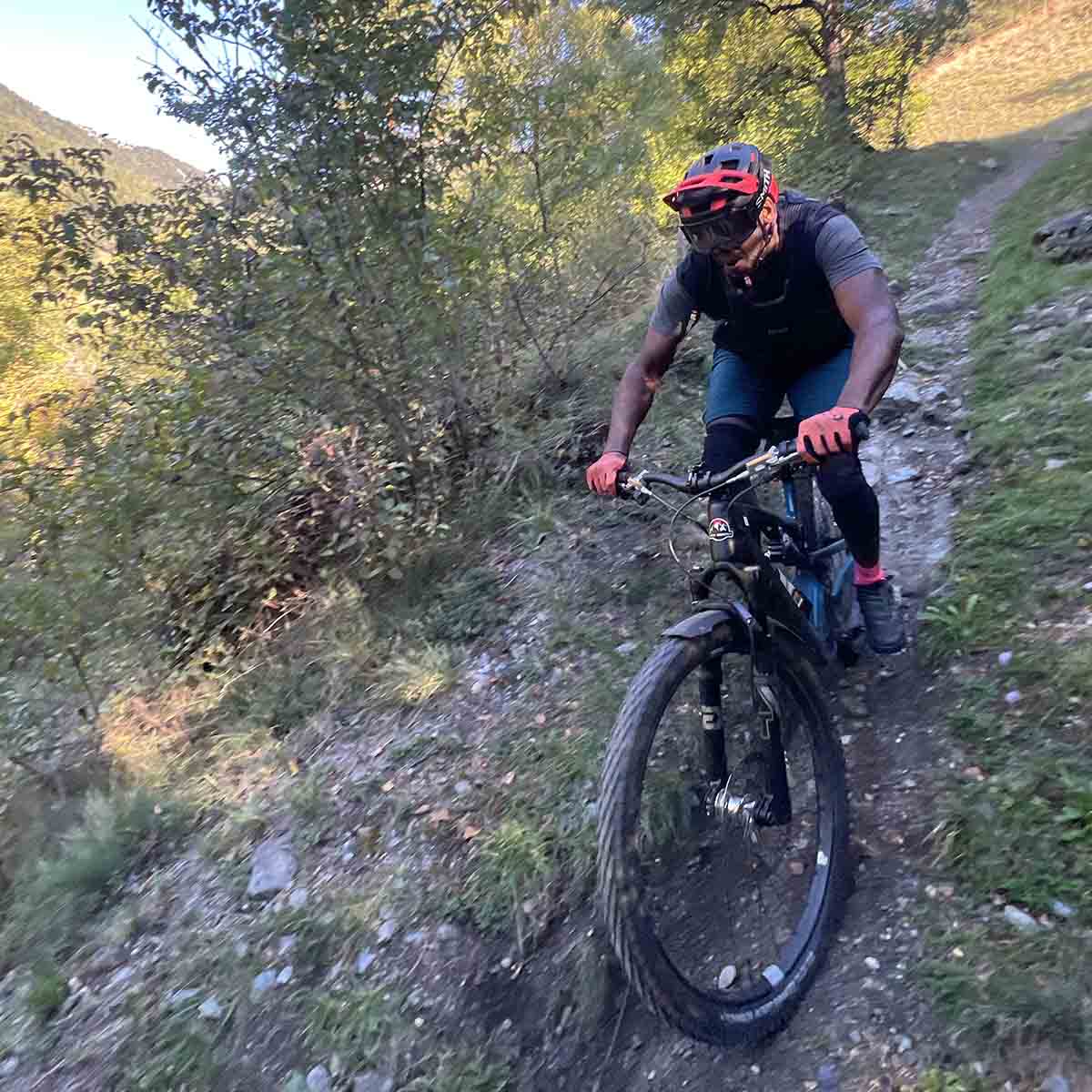
What actually limits the day is your grip. Every braking zone, every root section and every rough straight is another minute of holding on, and forearms are small muscles doing a job they cannot do all day without help.
Hands and forearms: the real ceiling
Arm pump is not a fitness problem, it is a technique and setup problem, and three things move the needle more than anything else:
- Brake levers within reach of one finger. If you are braking with two fingers and a clenched fist, you are fighting your own hand all day. Lever position and reach adjustment take five minutes in the car park.
- Let go between the corners. Most riders grip continuously from the top of the trail to the bottom. Relaxing the hands on the open, easy sections is what buys you the last two runs.
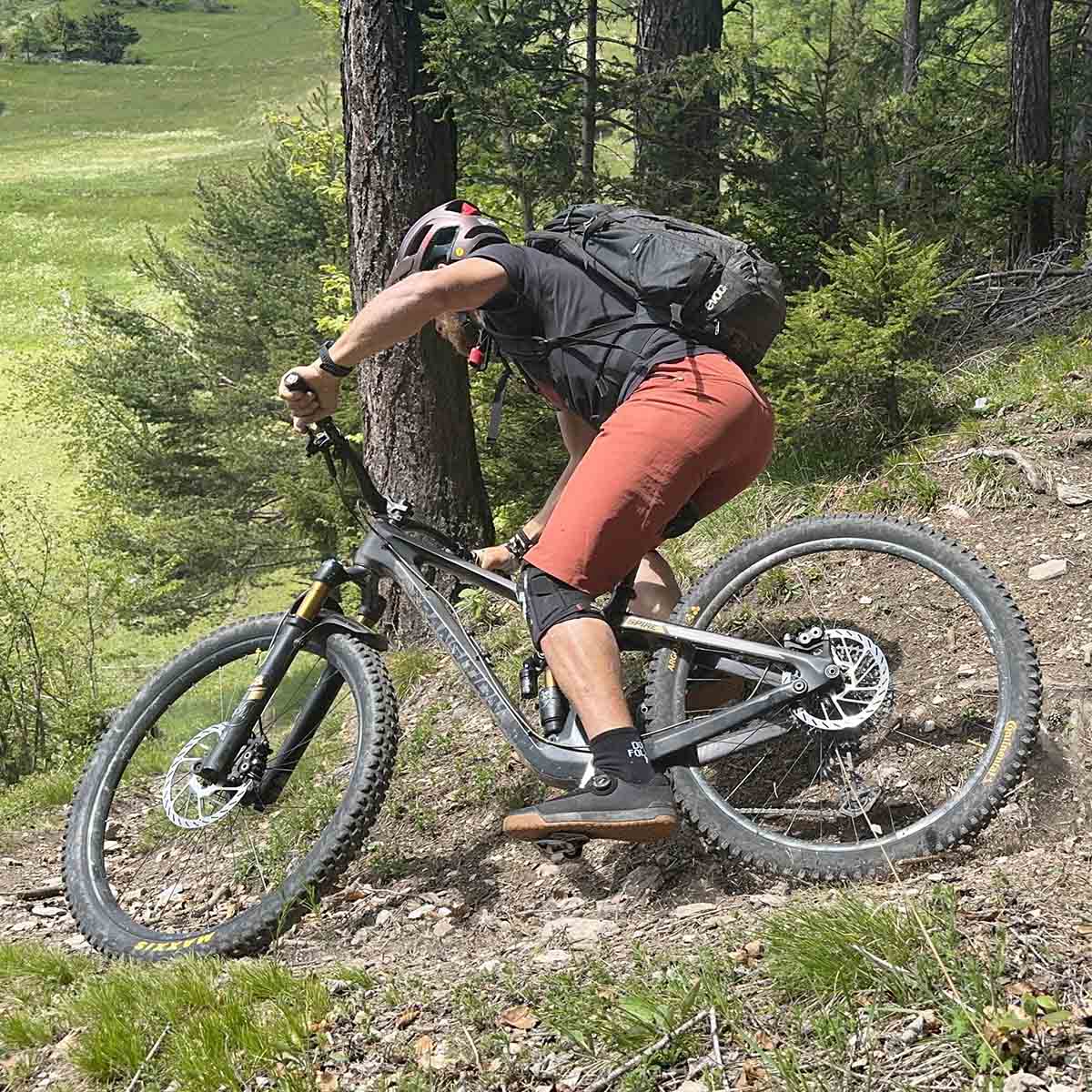
- Heavy feet, light hands. Weight through the pedals instead of through the bars: it is the oldest piece of advice there is, and it is the one that stops the forearms from cooking.
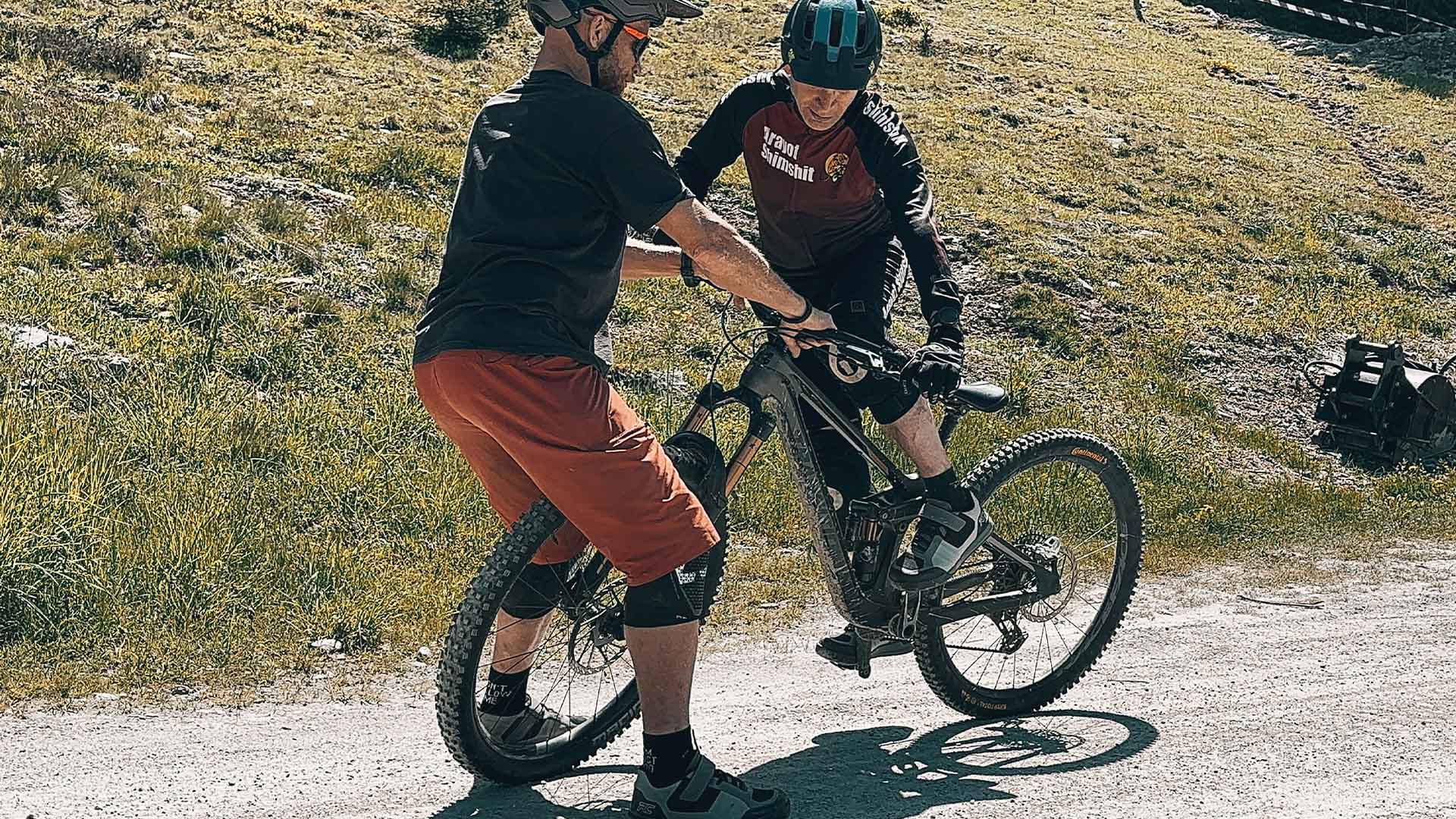
If your hands are done by mid-afternoon on every ride, that is worth an hour with an instructor rather than another season of the same. A skills session usually fixes the grip and the braking together.
Eating and drinking when you never climb
This is where people get caught. You do not feel the effort the way you do on a climb, so you forget to eat, and at four in the afternoon you have no reactions left. Concentration is the first thing to go, and on a descent that matters more than power.
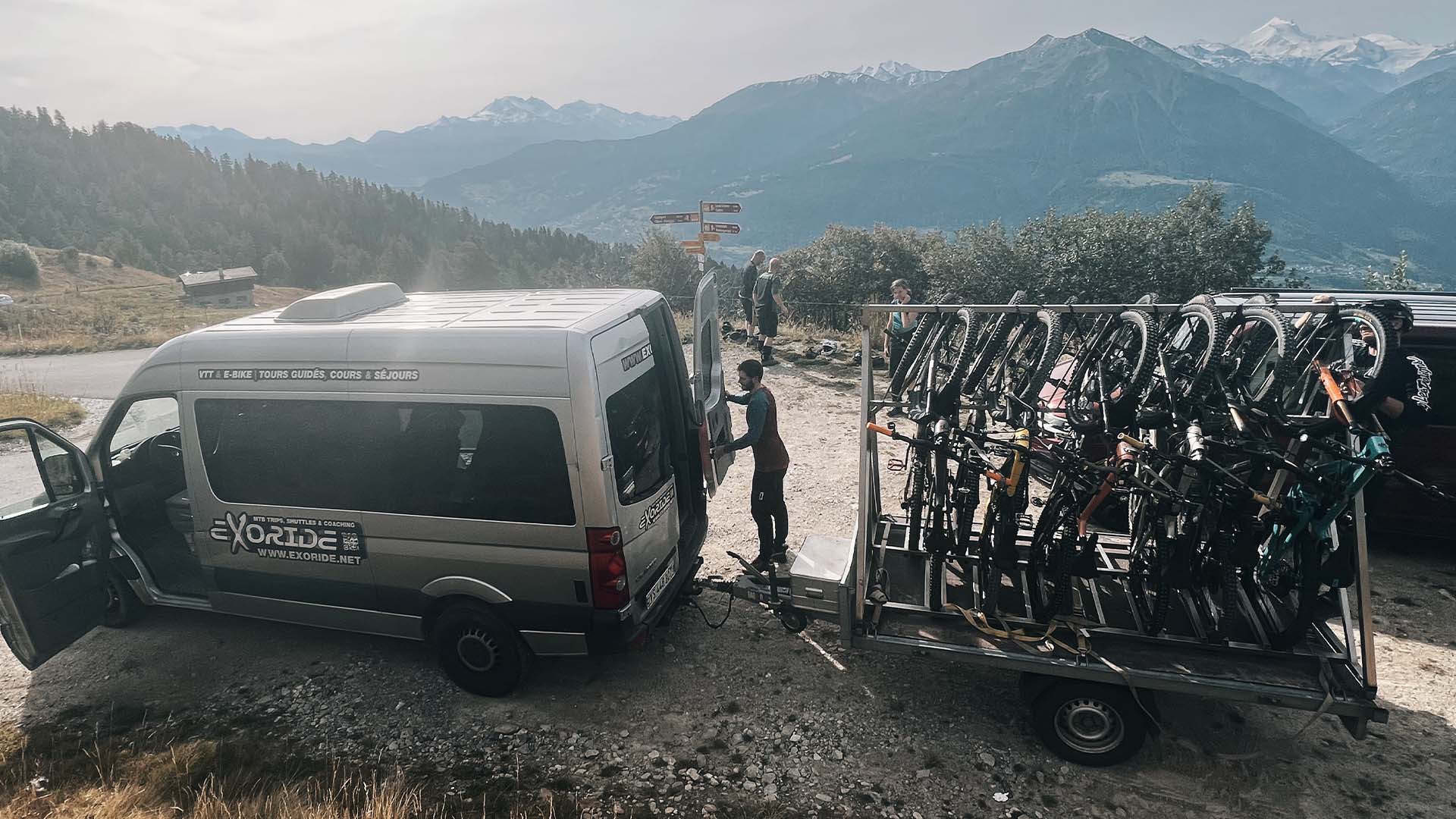
Eat on the way up, every rotation, in small amounts. Drink in the bus rather than at the top: helmets hide a lot of sweating and you will be further behind than you think. Lunch goes in your pack, and the bus is where you get through it.

The last run, the one that bites
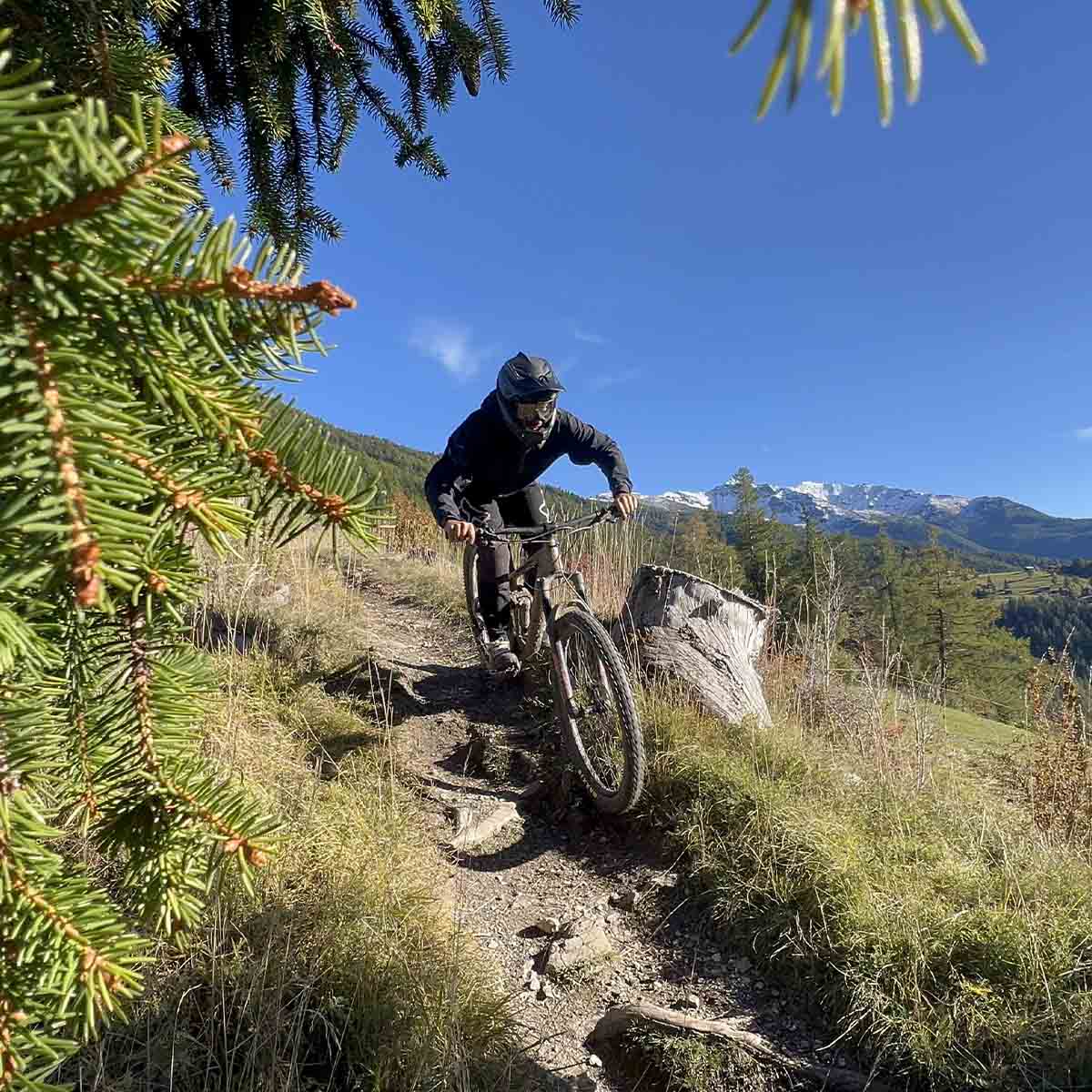
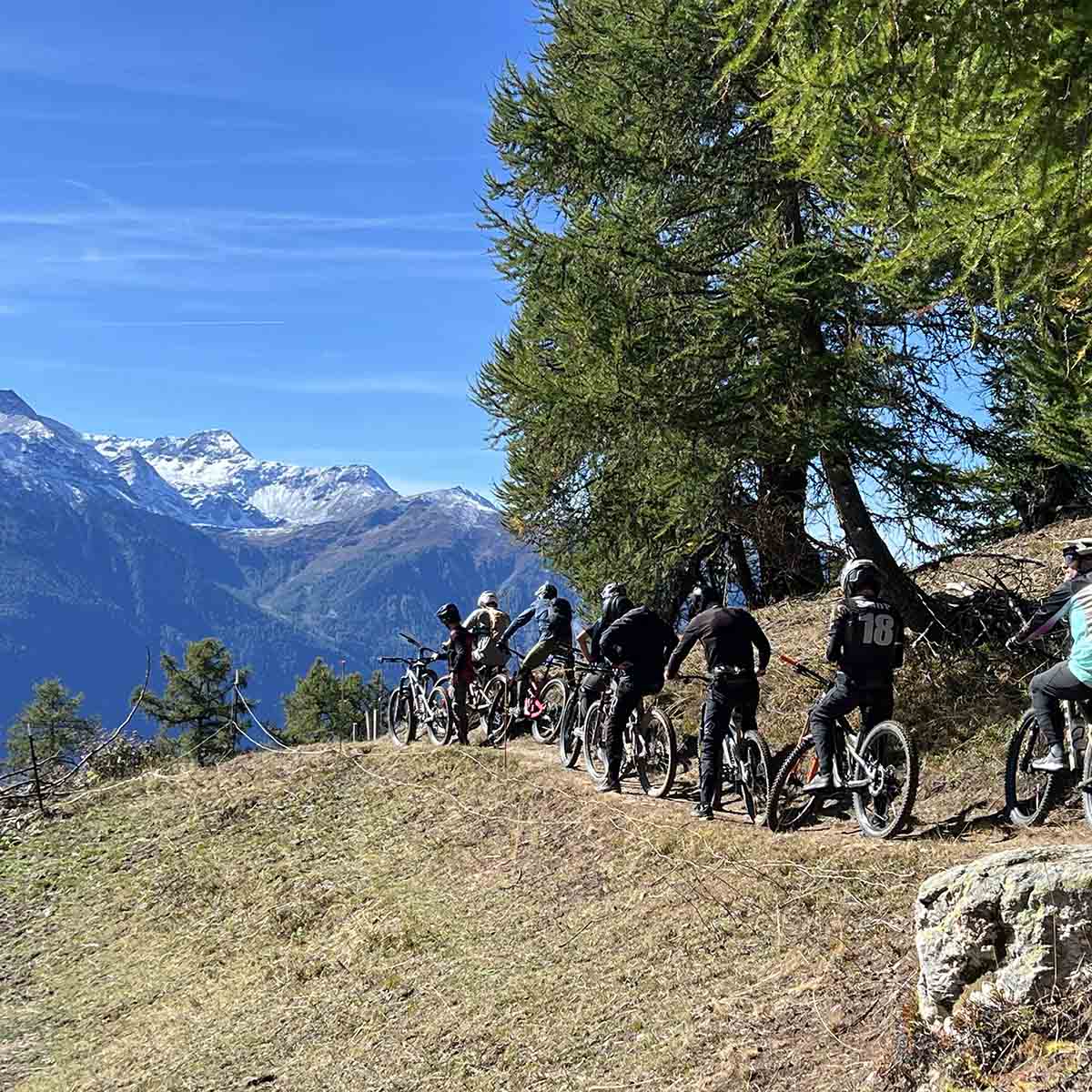
Ask any guide where the crashes happen and the answer is the same: the last descent, on a trail the group already rode once. Tiredness and familiarity arrive at the same moment, the trail feels known, and the margin has quietly gone.
The fix is unglamorous. Ride the last run slightly under your level, decide that before you drop in rather than halfway down, and if your hands are shaking on the brakes, say so. Nobody on the bus has ever thought less of a rider for skipping a final lap, and our guides plan the end of the day around how the group is actually going, not around the schedule.
Your bike gets tired too
Five thousand metres of descent is more braking than most bikes see in a month.
- Brake pads: check the thickness the evening before, not in the car park. A pad that looks fine for a normal ride can be metal on metal by the afternoon.
- Tyres: this is the day sidewalls give up. Sensible pressures, fresh sealant, and a plug kit and a spare tube in the pack.
- Bolts: a run over the obvious ones the night before saves the whole day.
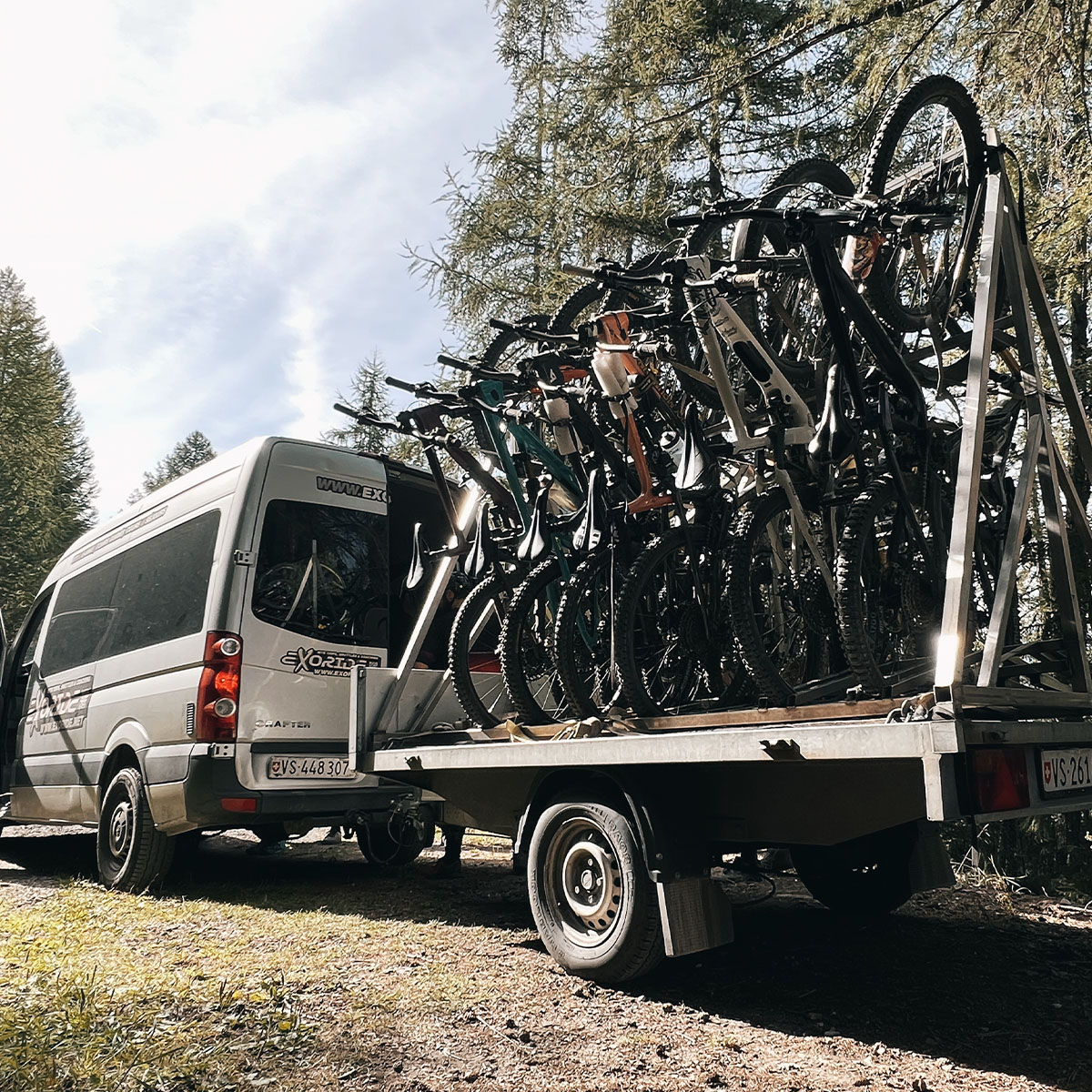
We travel with mechanical support and a spare bike on board all day, so a broken derailleur is not the end of your day. It is still better not to need either.
What goes in the pack
Full face or open face depending on the day, knee pads, gloves, and clear lenses as well as tinted ones because the top of the valley and the bottom are two different days. A light warm layer for the bus, a rain shell, water, lunch, and a small tool kit. Everything else stays in the car.
If you have never done 5,000 metres in a day
You do not need to be an expert, you need to be honest about your level. The days run from 2 to 4 out of 4, the guide picks the trails according to the group and the conditions of that morning, and a group of riders who do not know each other is normal rather than awkward. If you are unsure, the levels page sorts it out in two minutes.
And if the answer is that you would rather build up to it, a shuttle day is still the right place to start: the uplift means every metre of your energy goes into the descending instead of into getting back up.
The dates
Guided days are CHF 95 with a Swiss Cycling certified guide, mechanical support, the spare bike and the photos of the day included. Self-guided uplift for an existing group starts at CHF 45. The season runs from March to November, plus a few winter dates when the lower valley stays dry.
The next dates are online, and if you ride a lot of them, the Exo'Pass is worth a look.
Chris