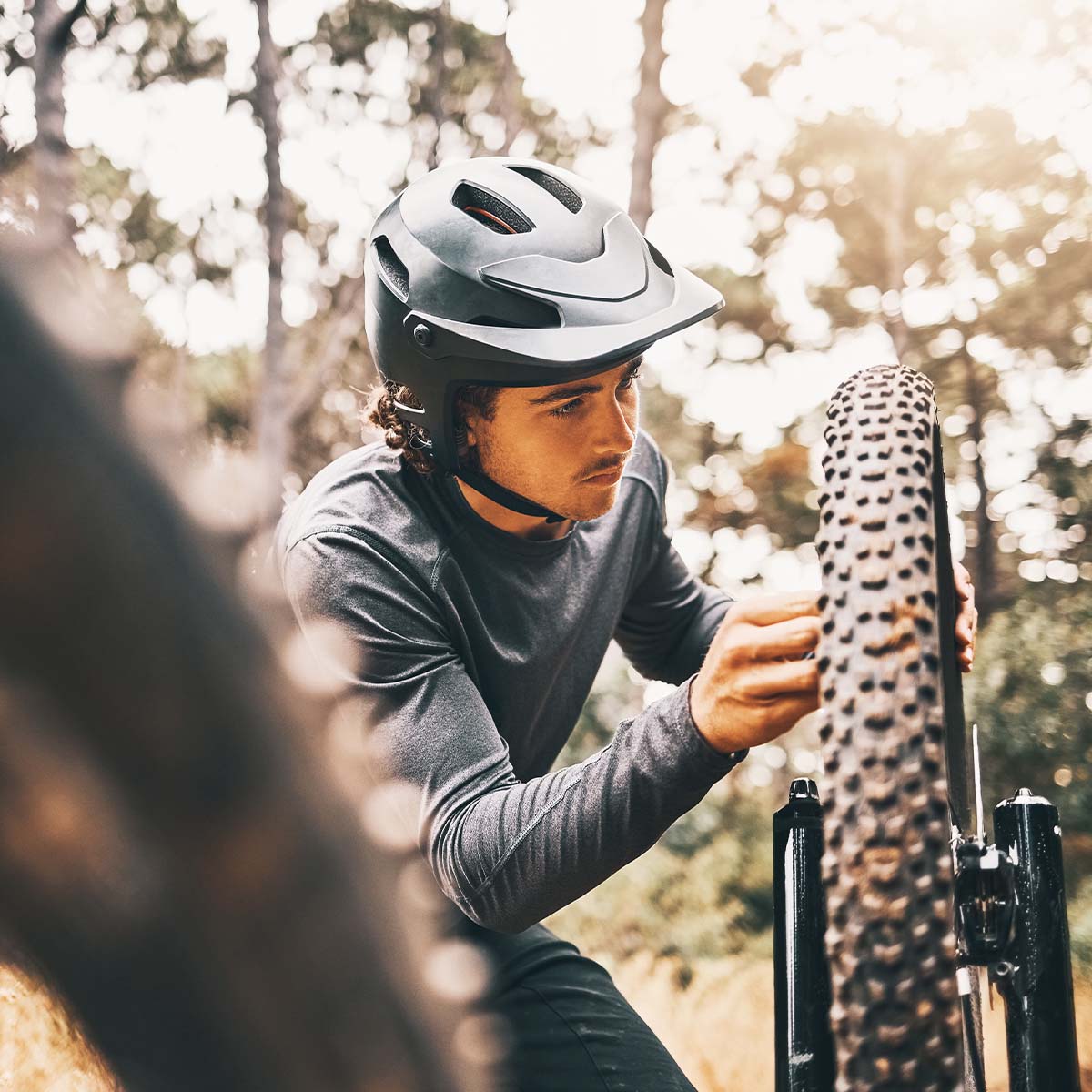
Five faults account for almost every ride that ends early. None of them needs a workshop, all of them need to have been done once before, calmly, rather than for the first time on a col with cold hands and a group waiting.
Here they are, and what each one actually asks of you.
1. A tubeless puncture
A plug, pushed in firmly and left long, seals most things. The two mistakes are waiting too long, by which time the sealant has sprayed out and there is nothing left to seal with, and pulling the plug back out to admire your work.
If the tear is too big, the tyre takes a tube, and that means knowing how to get a stubborn tubeless tyre off a rim with cold hands. Carry a proper mini pump as well: a CO2 cartridge is one shot, it freezes the sealant, and it is empty when you need it again ten minutes later.
2. A broken chain
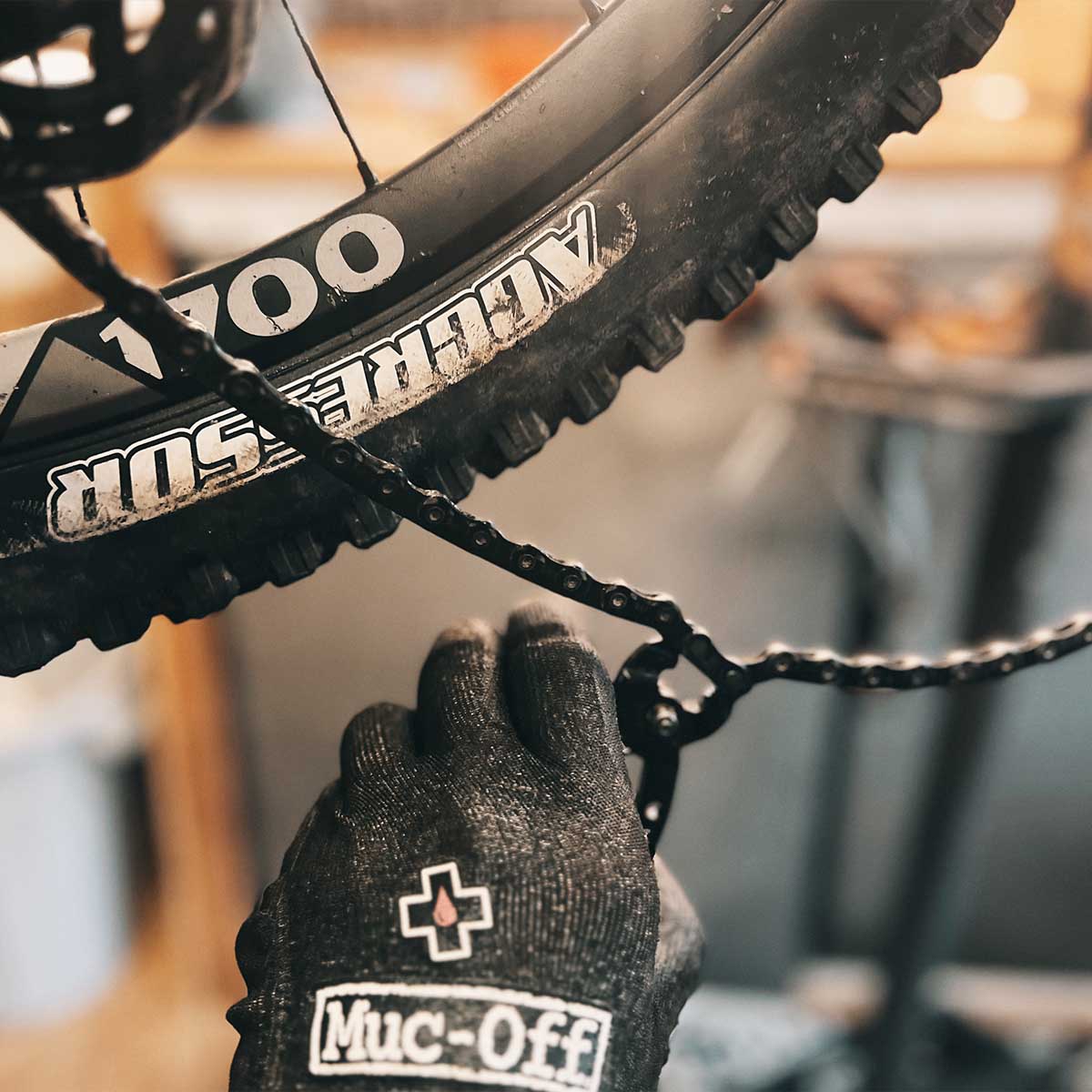
A chain tool and a quick link of the right speed, in the pack, all season. Break out the damaged links, put the quick link in, ride home. It is a two-minute job once you have done it once and an unsolvable one if you have not.
Worth knowing: the quick link has to match the number of speeds, and many are single use. The one in your pack from four years ago may not be the one your current drivetrain takes.
3. A bent derailleur hanger
The hanger is designed to bend so the derailleur and the frame do not. After any crash on the drive side, look at it from behind before you pedal: a derailleur pulled into the spokes destroys a wheel, a derailleur and often the frame in one rotation.
Straightening it by hand gets you home. Carrying a spare hanger for your own frame is the better answer, because they are model specific and no shop in a mountain valley will have yours.
4. A drivetrain that skips
Indexing is a barrel adjuster, a quarter turn at a time, in the right direction, and understanding which direction that is takes about ninety seconds to learn and saves you a season of noise. The limit screws are a separate thing and should be left alone unless you know what they do.
5. A brake that drags or has no bite
Most of the time it is contamination or worn pads rather than air in the line. Knowing how to check pad thickness, reset the pistons and centre the caliper covers the majority of it, and it is the difference between a descent you enjoy and a descent you survive.
Bleeding is genuinely worth learning and genuinely worth being shown once rather than learning from a video with brake fluid on your rotors.

Torque, the boring one that breaks frames
Carbon parts, stems and rotor bolts all have a figure written on them, and "tight enough" is not that figure. A small torque wrench costs less than one crushed seatpost, and the numbers for your own bike are worth writing down once and keeping.
What is different on an e-bike
Everything above applies, plus a few things that do not:
- The motor is not a user serviceable part. Opening it usually ends the warranty and rarely ends the problem.
- Keep the battery contacts clean and dry. A surprising share of "the motor has failed" is a dirty contact or a loose cable.
- Error codes mean something. Photograph the screen rather than restarting five times and hoping.
- Everything wears faster. Chains, cassettes and pads on an e-bike have a shorter life than the same parts on a normal bike, so the check intervals are shorter too.
Learning it properly, in half a day
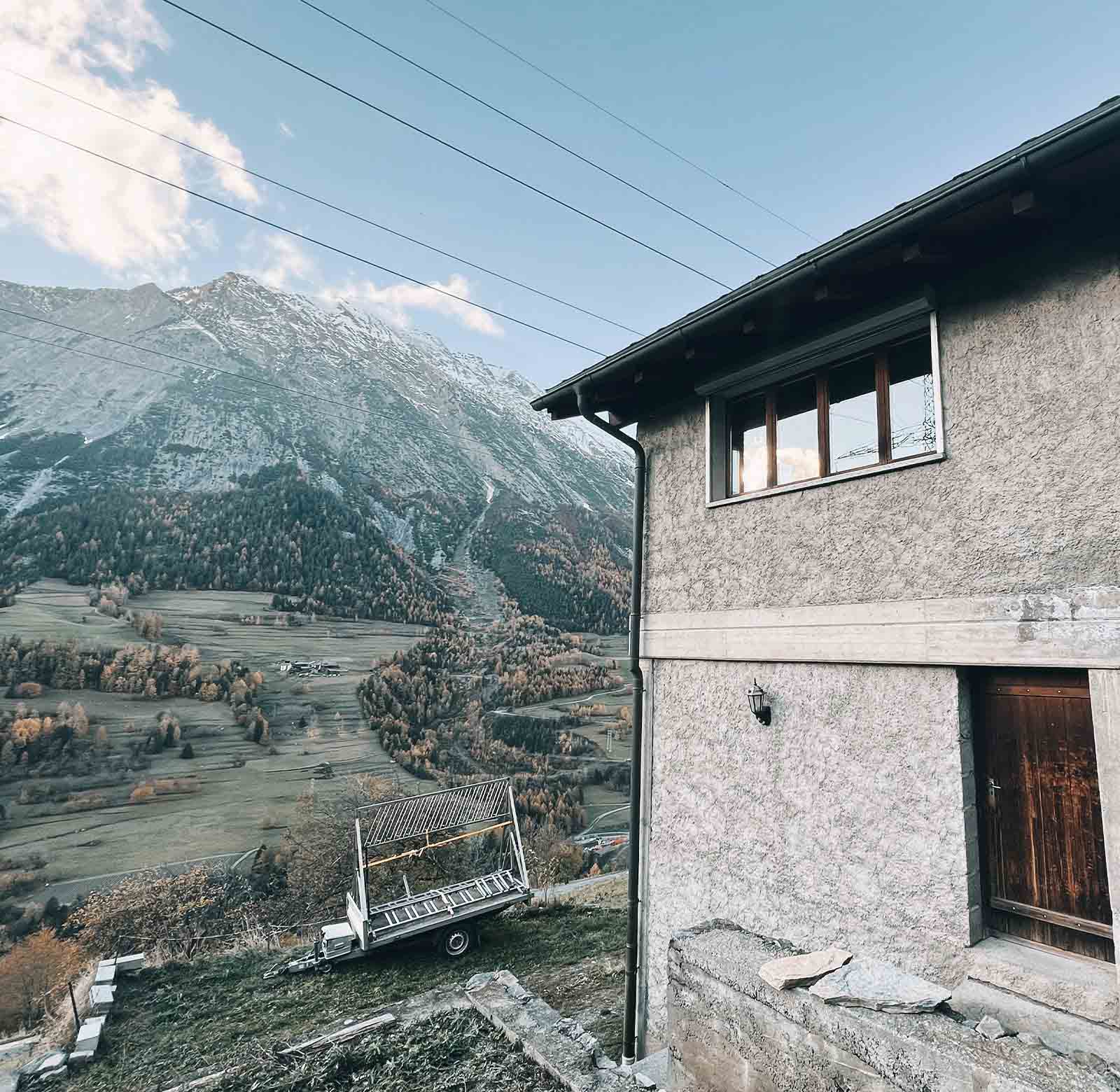
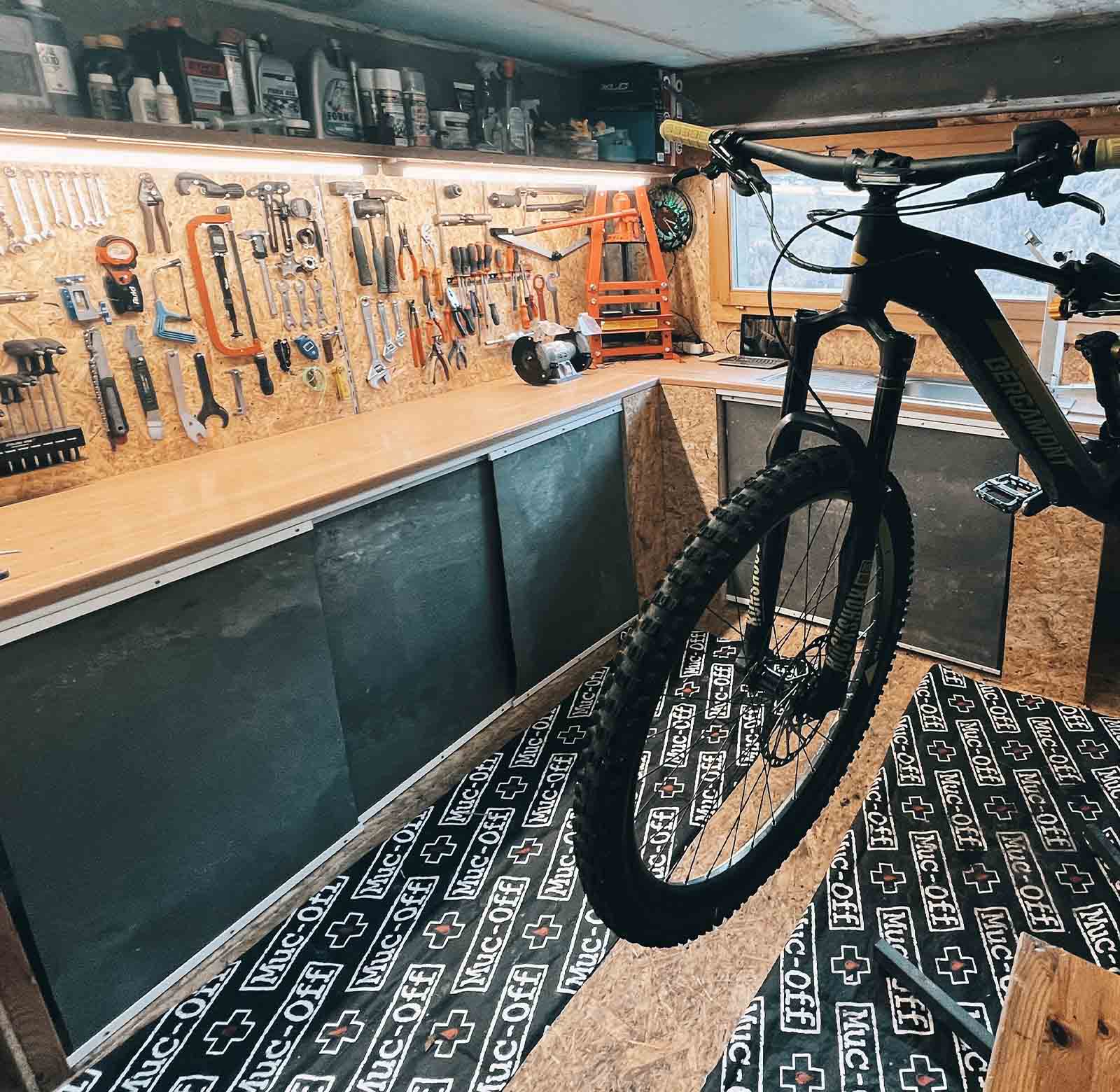
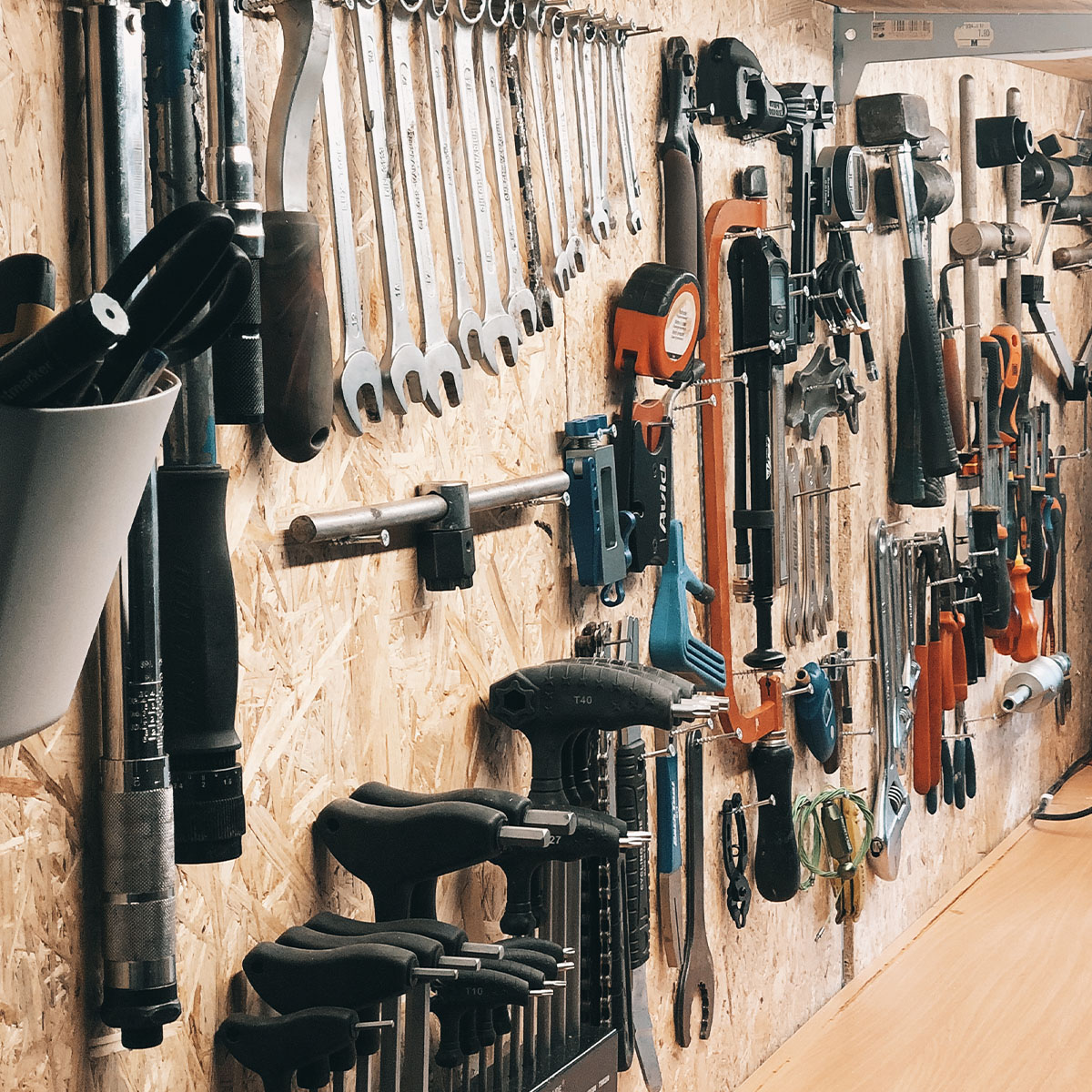
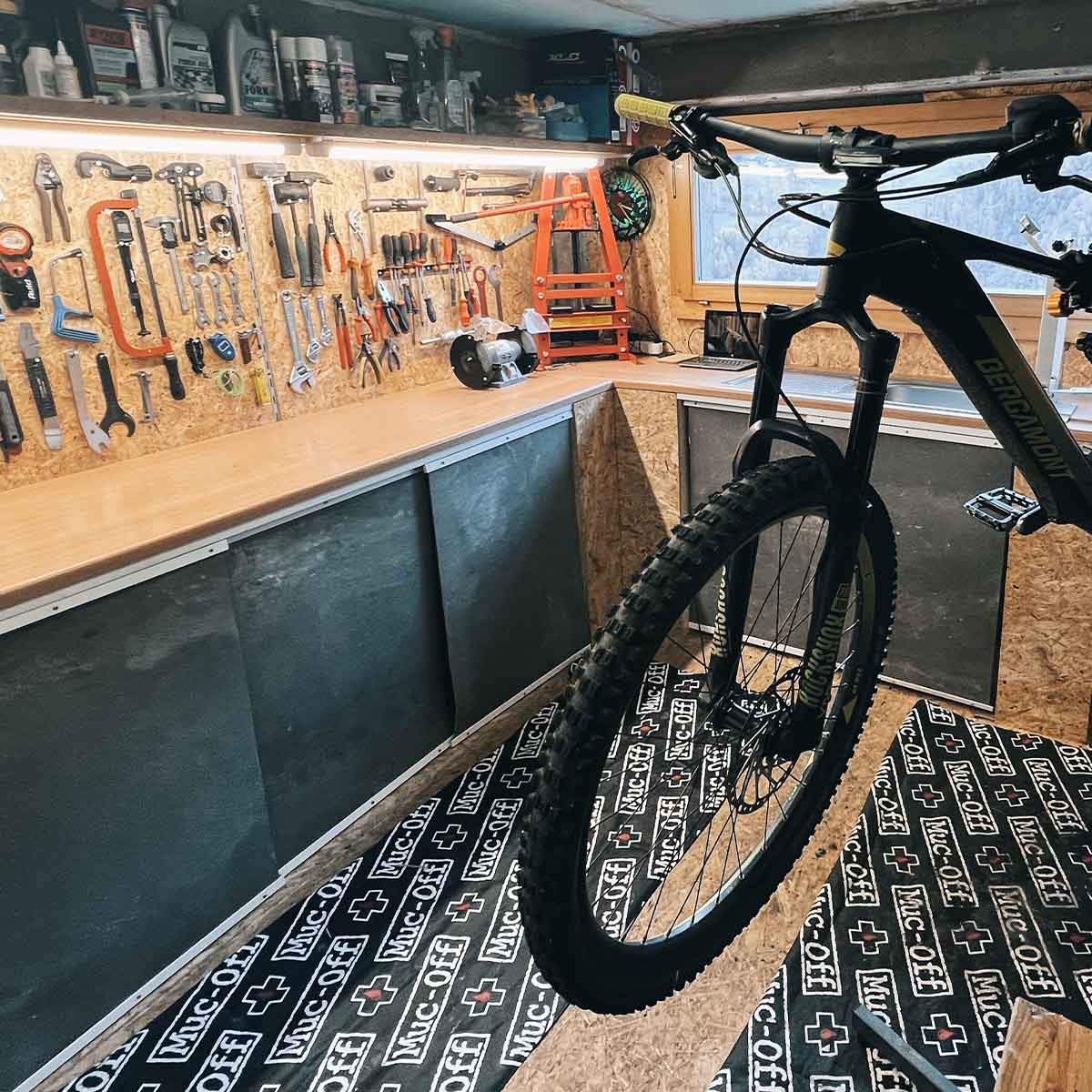
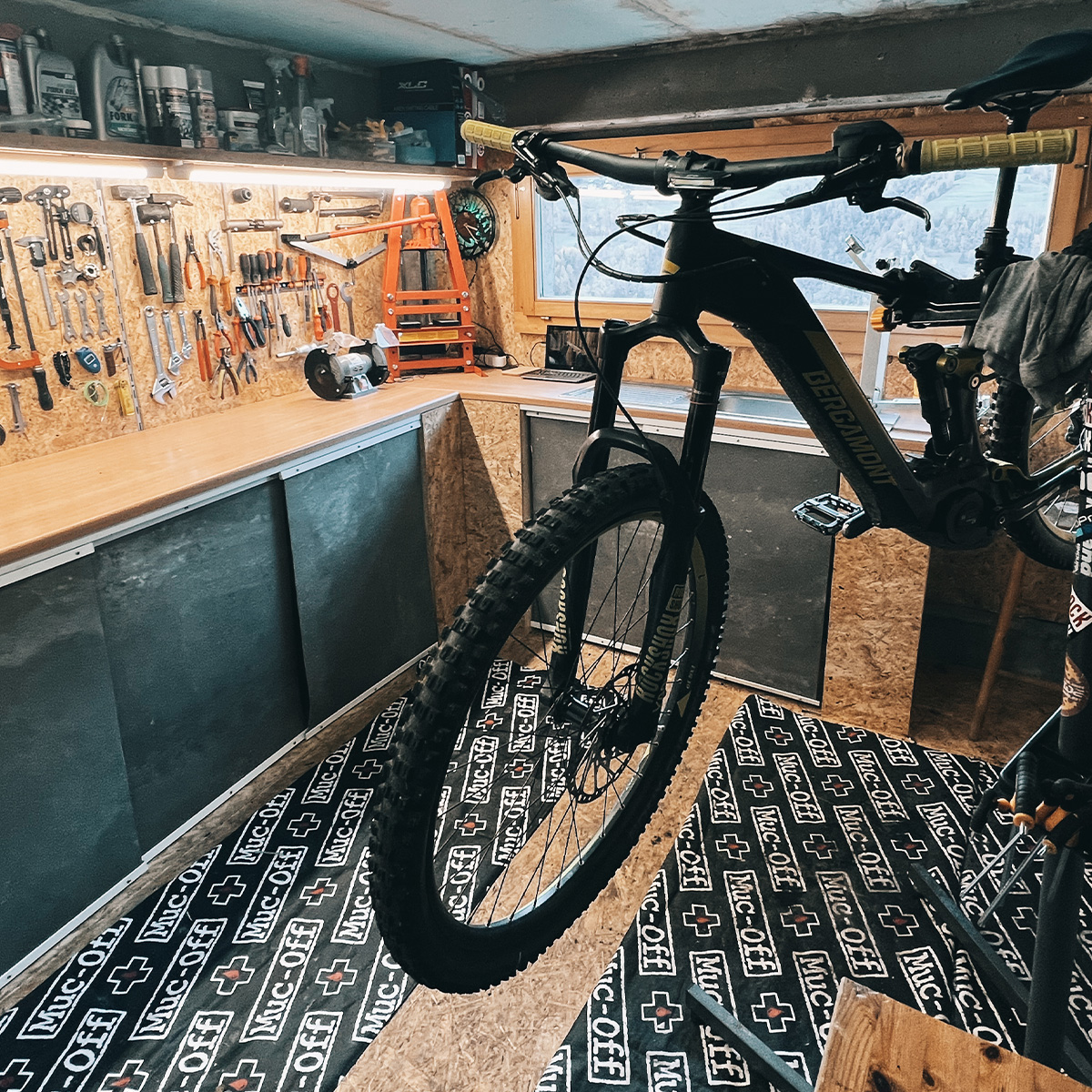
All of this is fifteen minutes each once someone has shown you, and guesswork until then. Our mechanics workshops run in our own workshop in Orsières, the one that keeps the rental fleet and the trip bikes running, with two participants per session so you have your hands in it rather than your eyes on it.
They run on your own bike, with your own problems: the noise you cannot identify, the brake that drags, the suspension that bottoms out. Four and a half hours, professional tooling provided, CHF 135 per person, beginner and intermediate levels, and you leave with the bike set up and a sheet of torque figures and the tool list that actually matters.
The workshop dates are online. Winter is the sensible time, and putting the bike away properly is a good place to start.
Chris