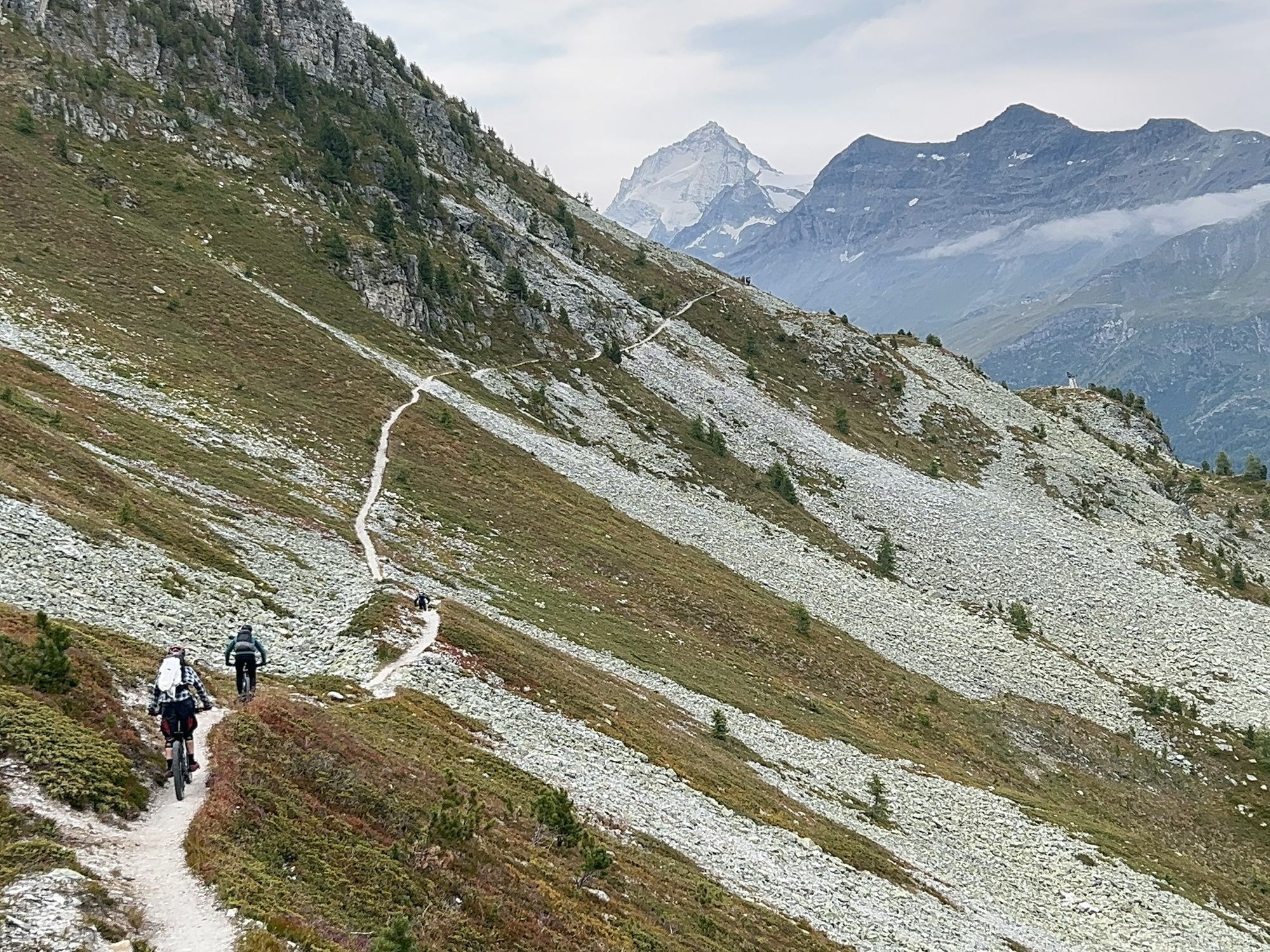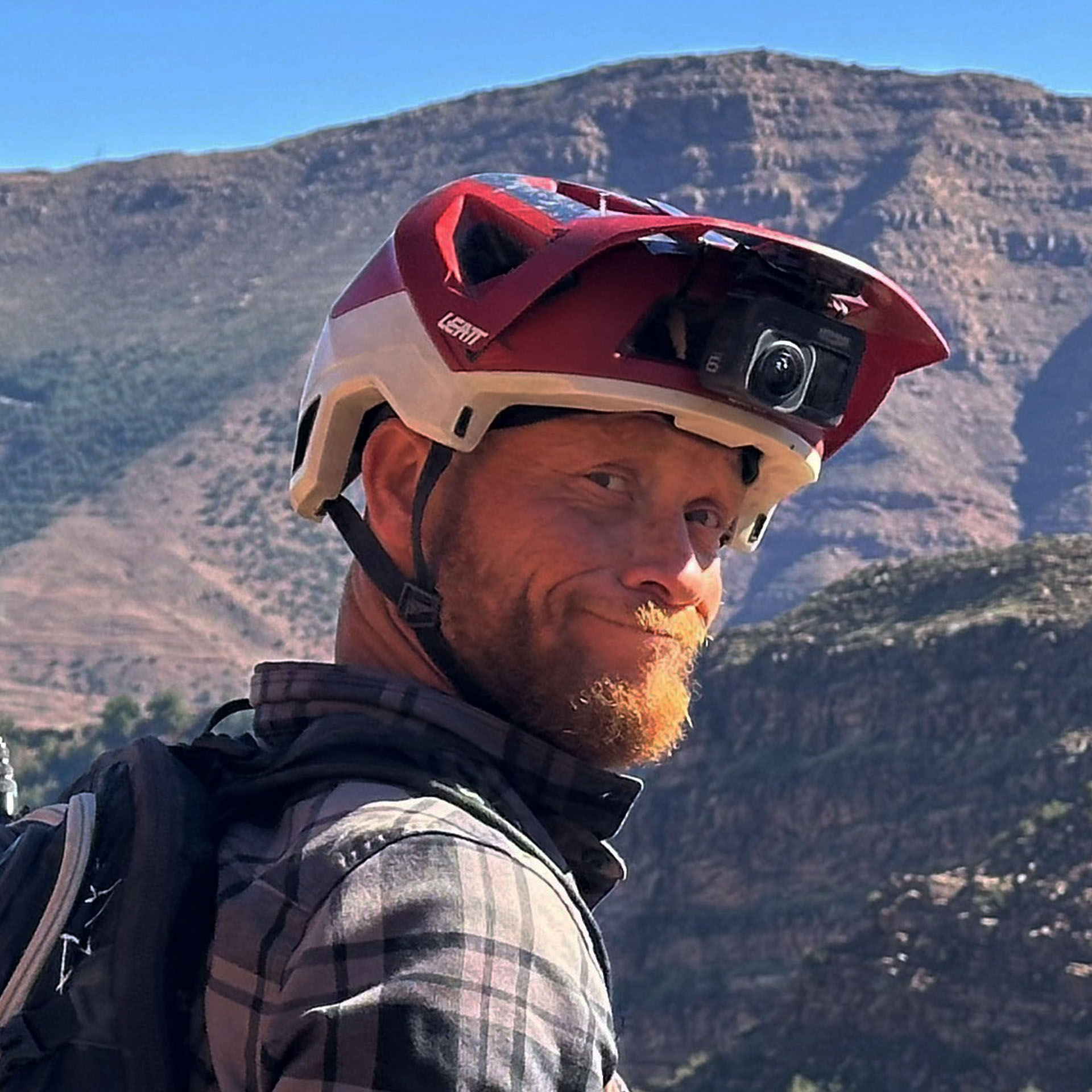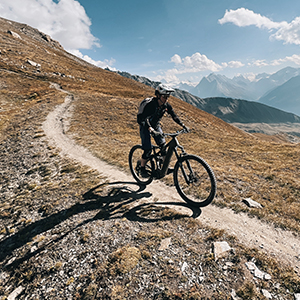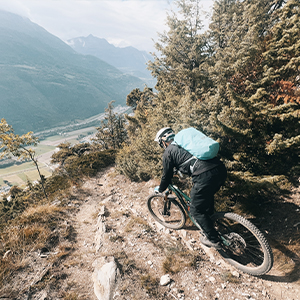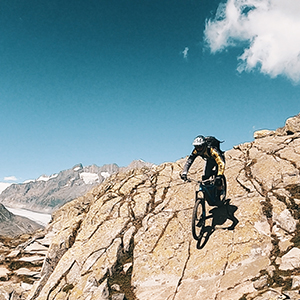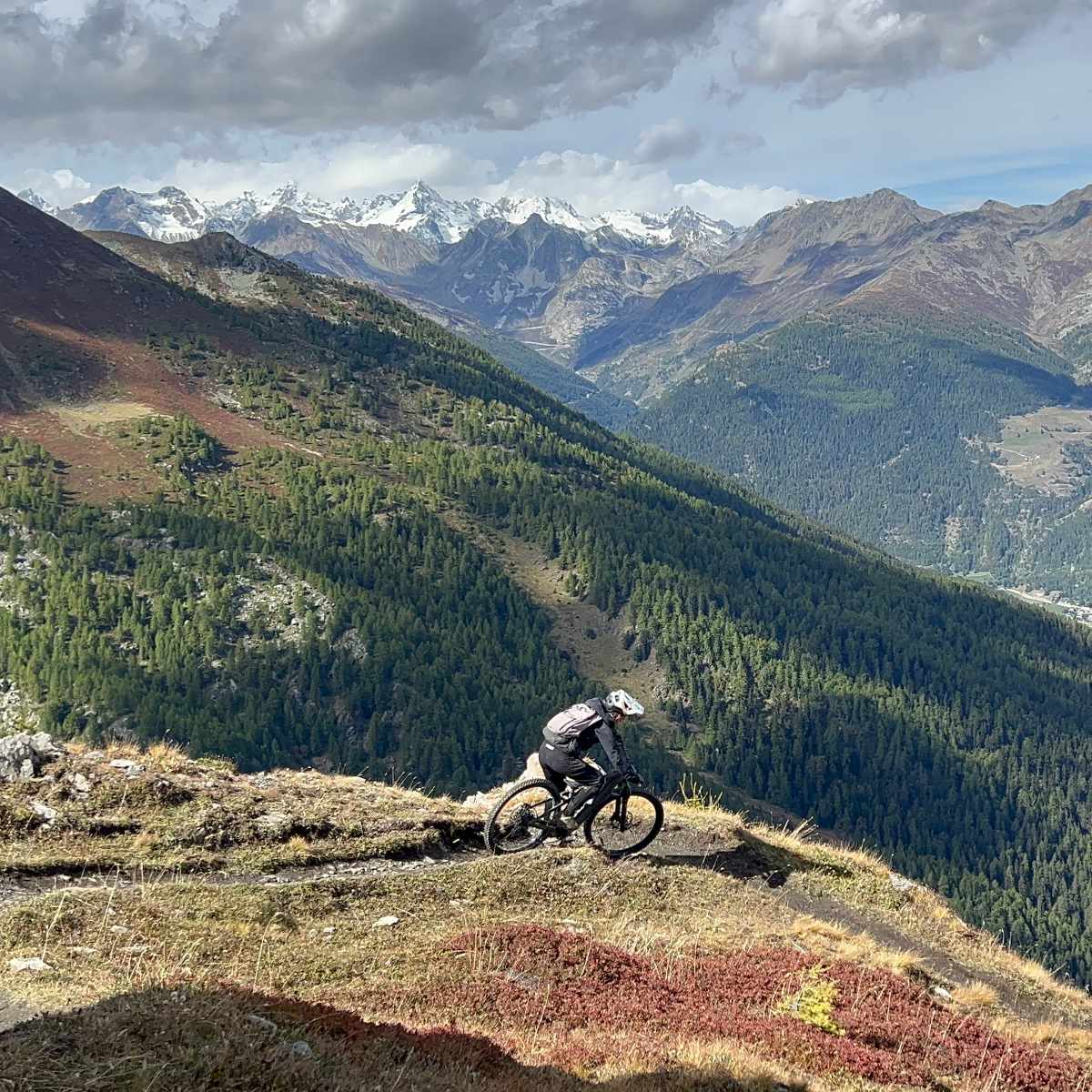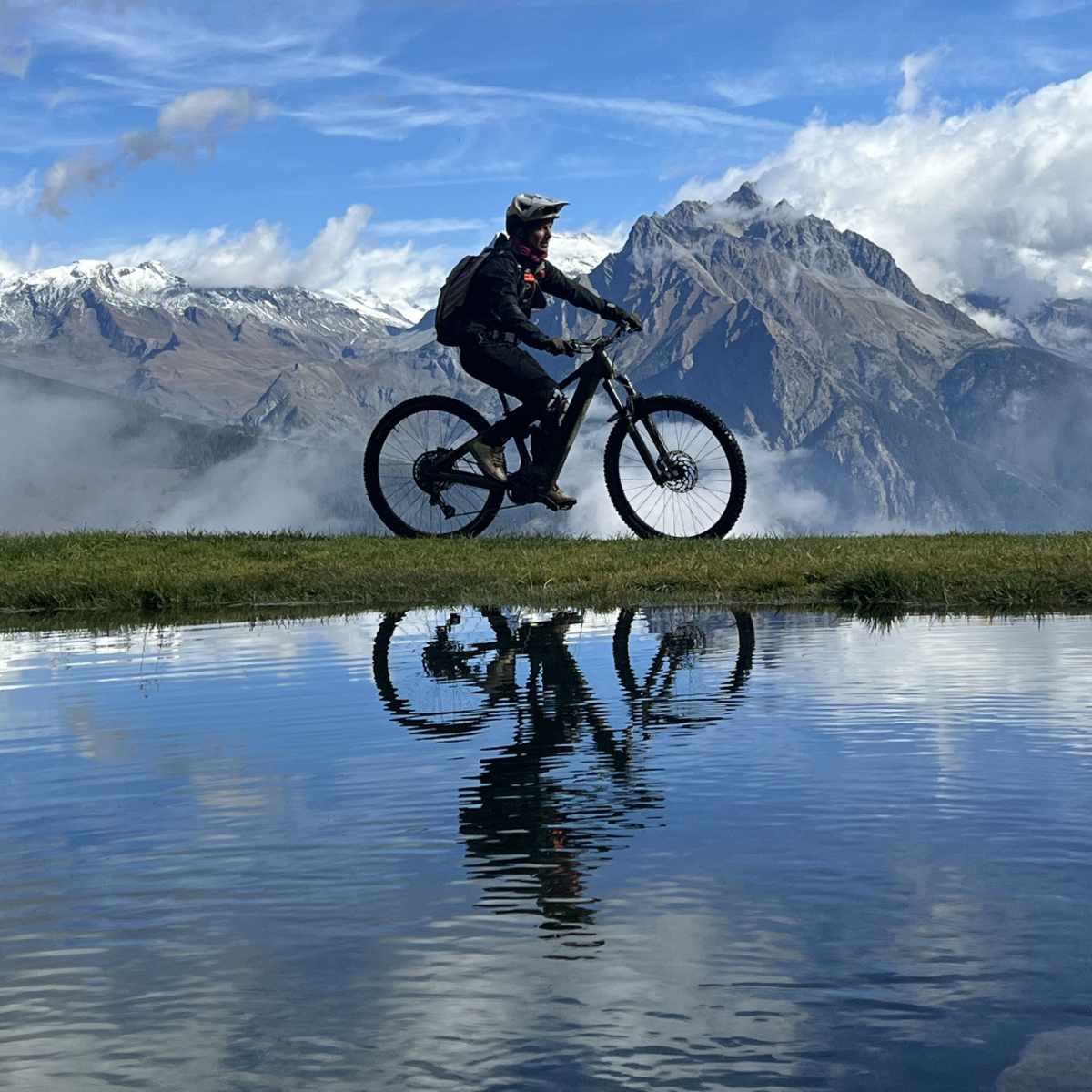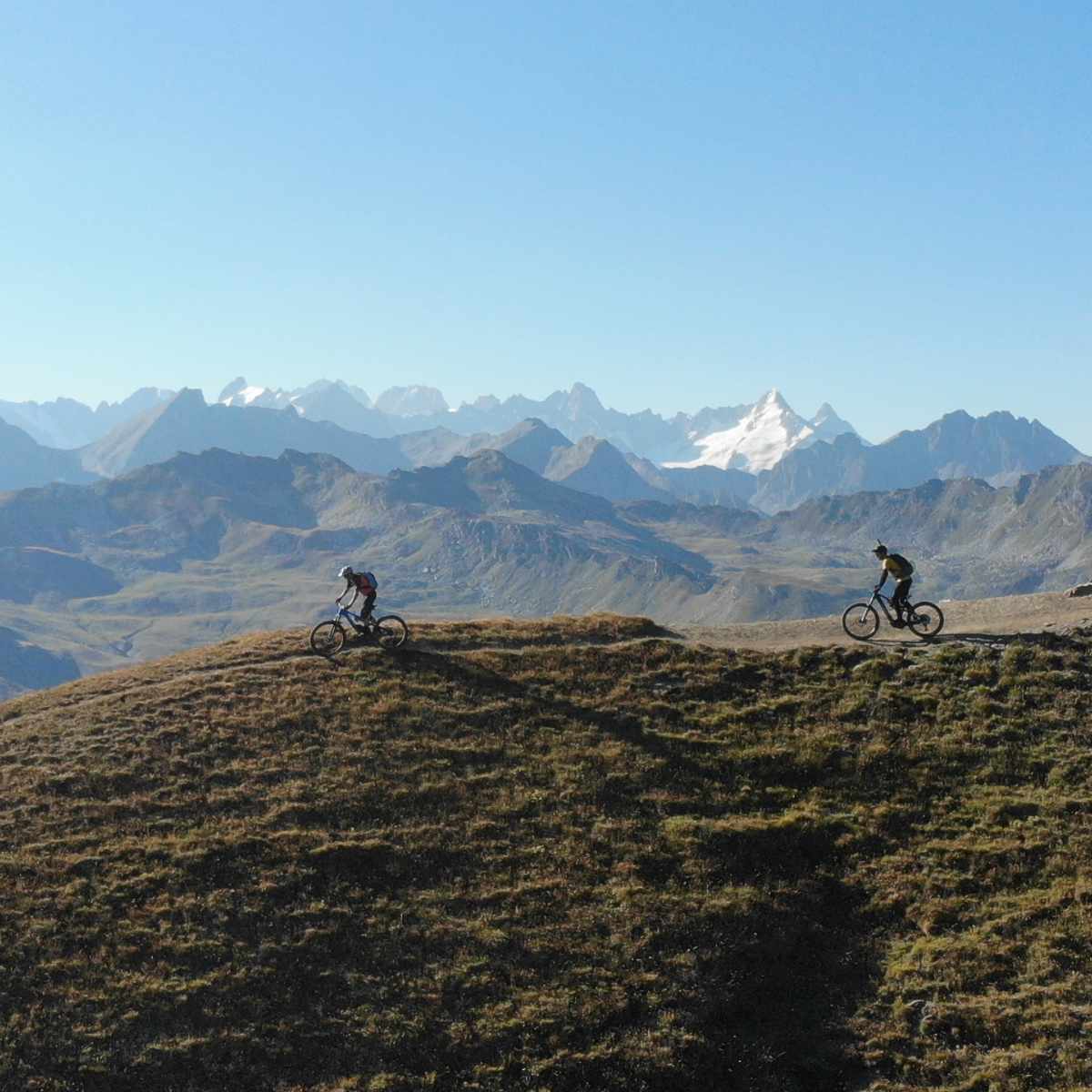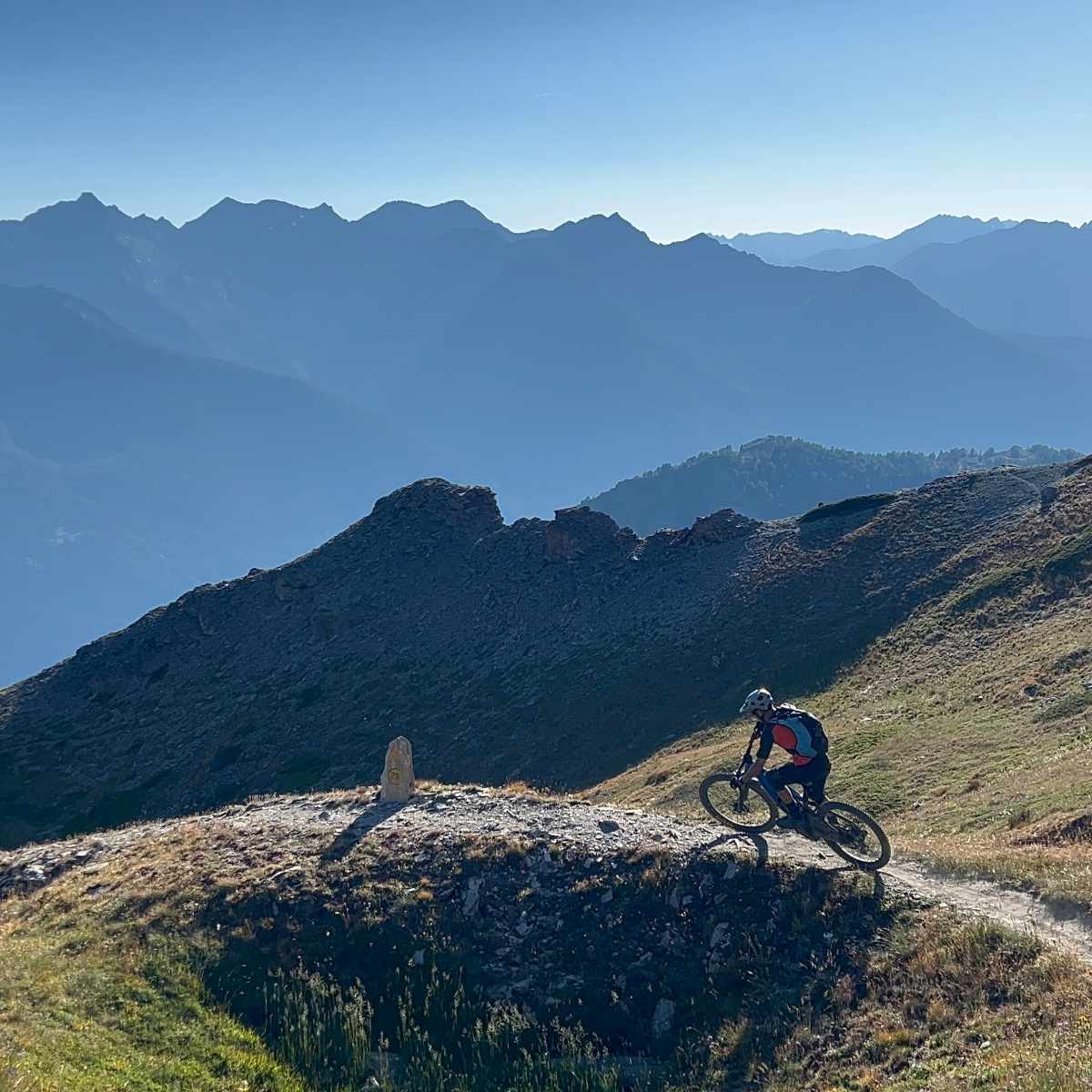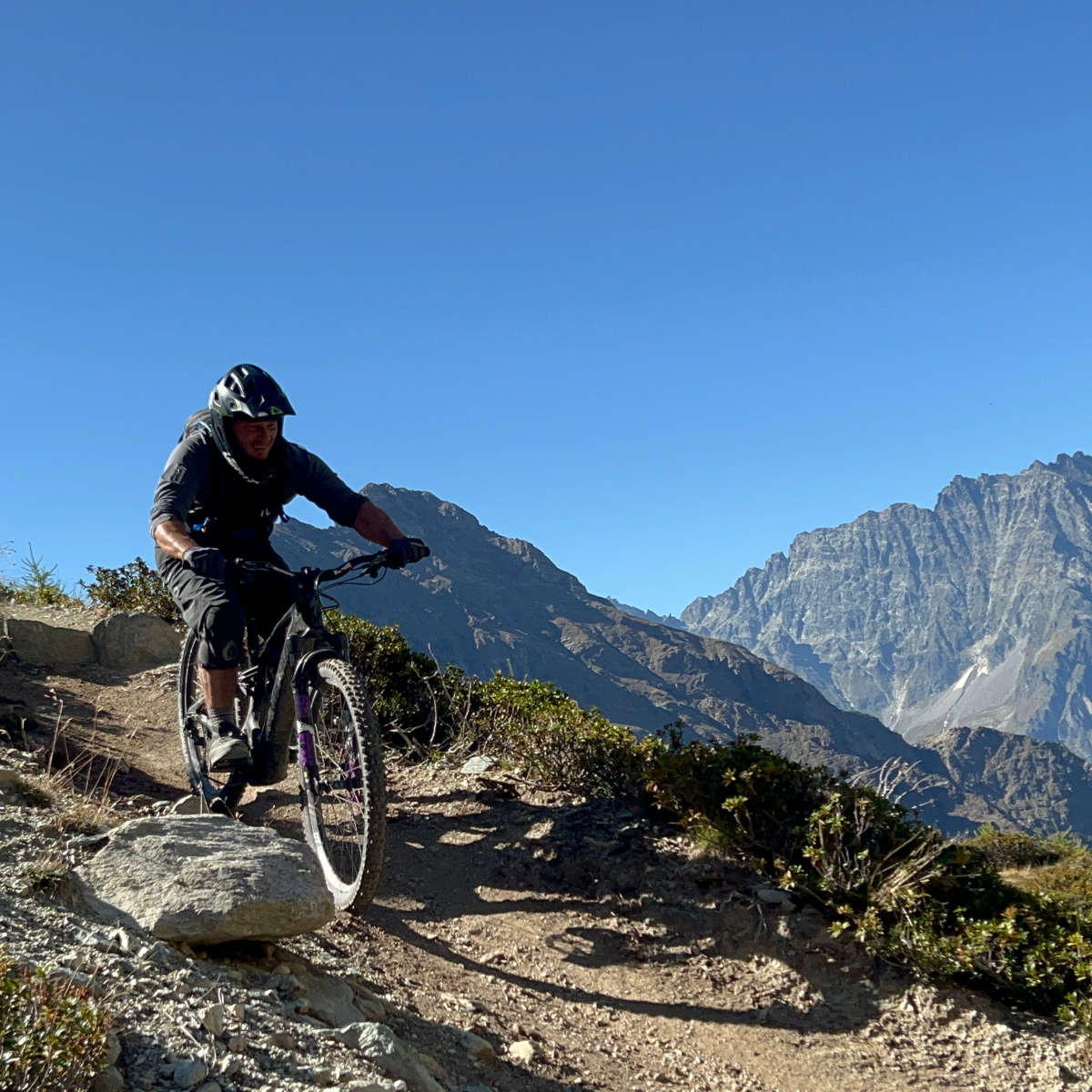
This year, for the third time, I lined up at the Megavalanche in both categories: one race on a classic mountain bike, one race on an e-bike. Same mountain, same terrain, two machines: it has become my little full-scale comparison ritual. And this edition, I will not hide my joy: a podium in each category (1st master on the classic bike, 2nd on the e-bike). I mention it less to show off than for what it guarantees: what follows comes from two races actually raced flat out, not from armchair theory. For the rest, I will not draw any grand truths: just what I felt, after a good few years of riding and these two races in my legs.
Because the question comes up at every ride, every rental, every lesson: "E-bike or classic?" And the honest answer is rarely the one people expect.
What the e-bike really changes
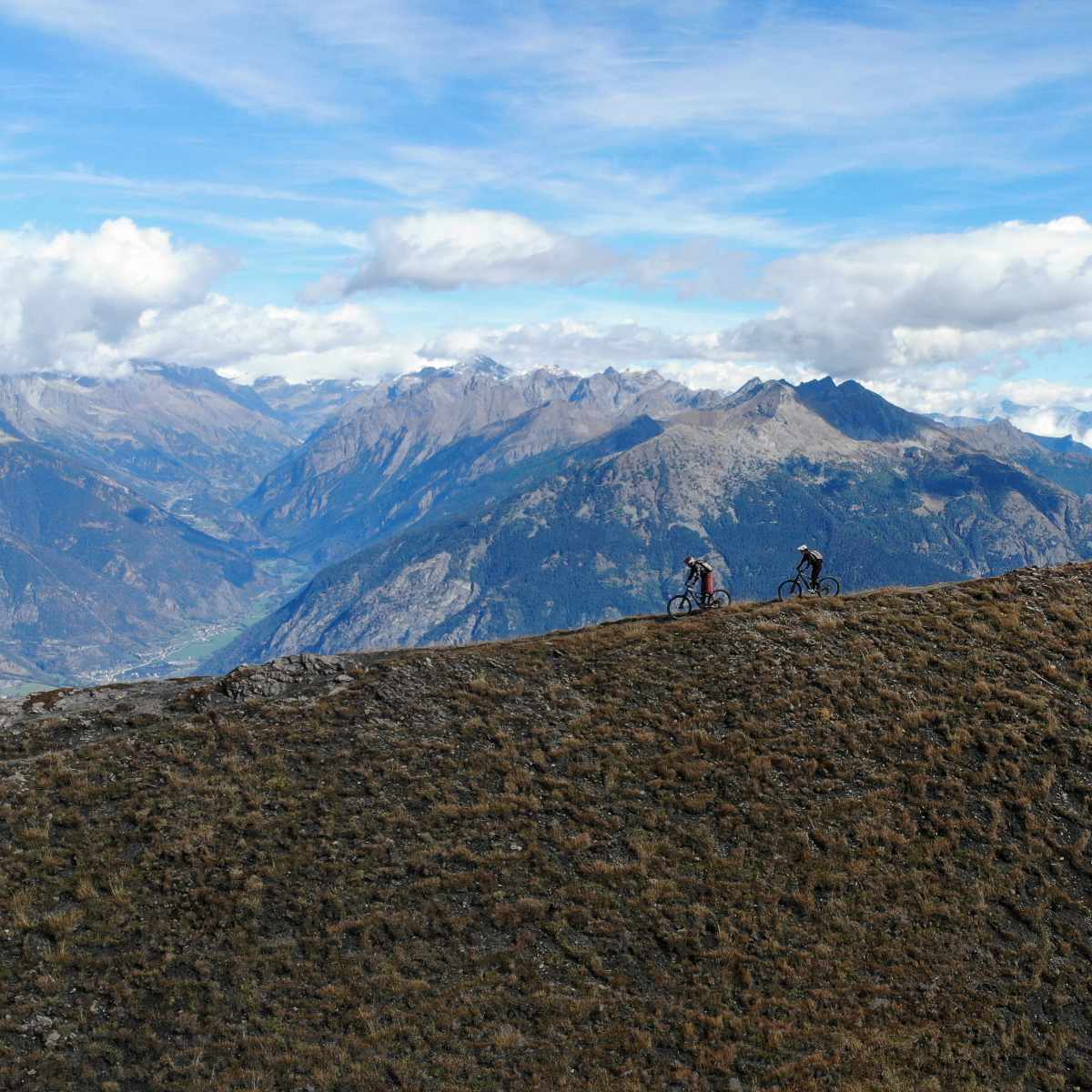
Climbing becomes a choice, not a limit. Where a classic ride is built around the climb (how much, at what pace, for whom), an e-bike ride is built around the descents you feel like linking. It is not better: it is a different day.
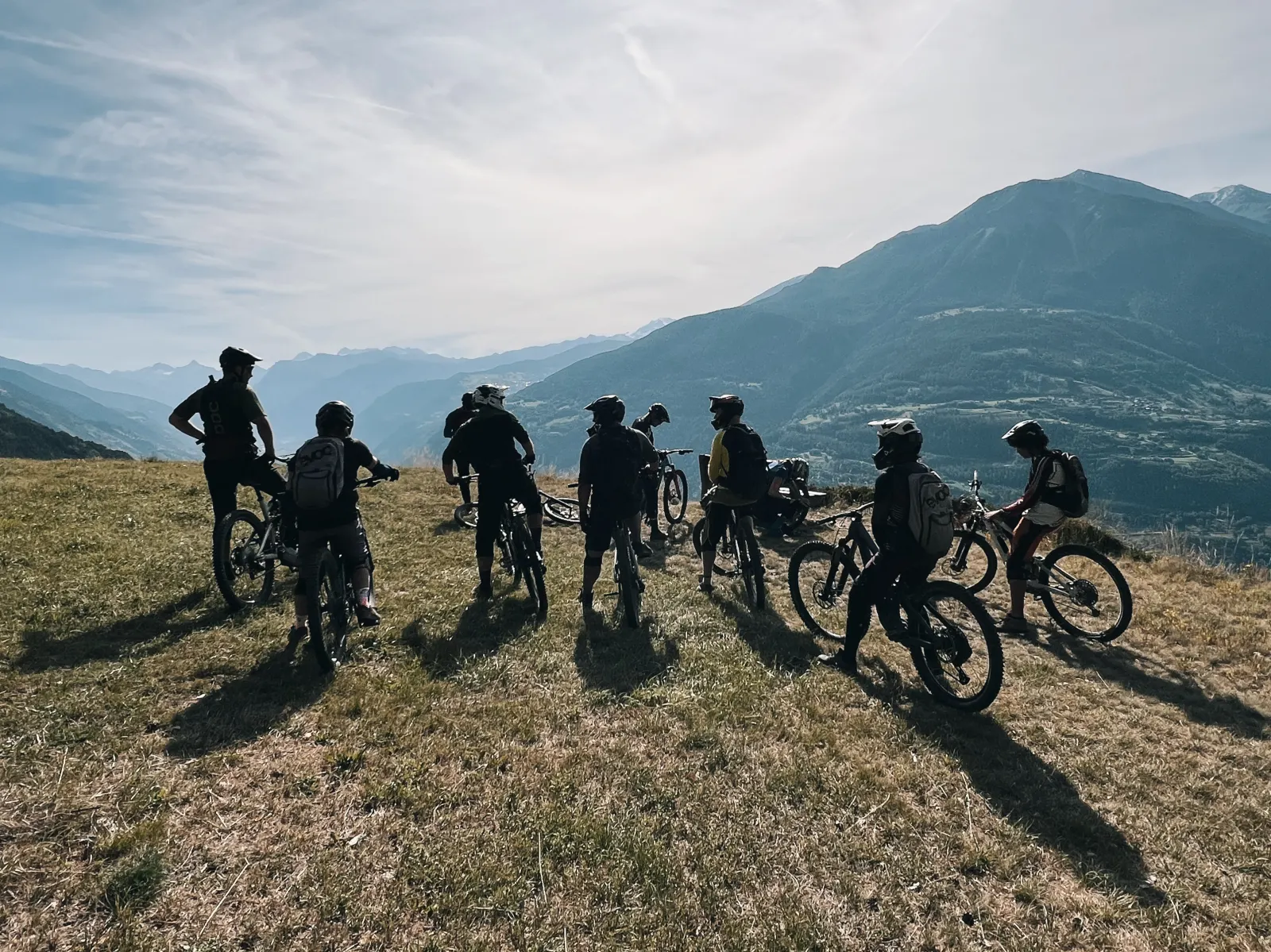
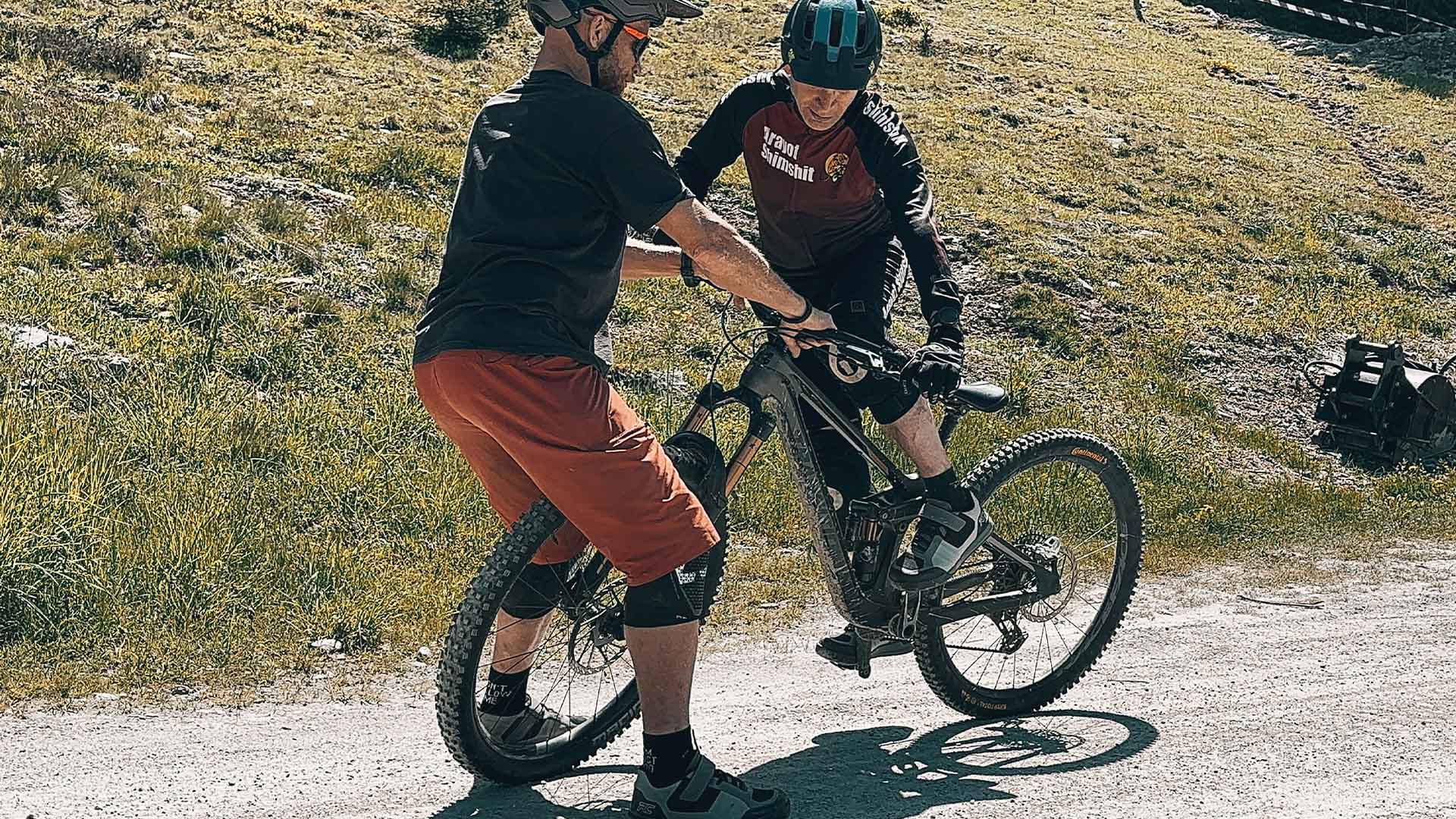
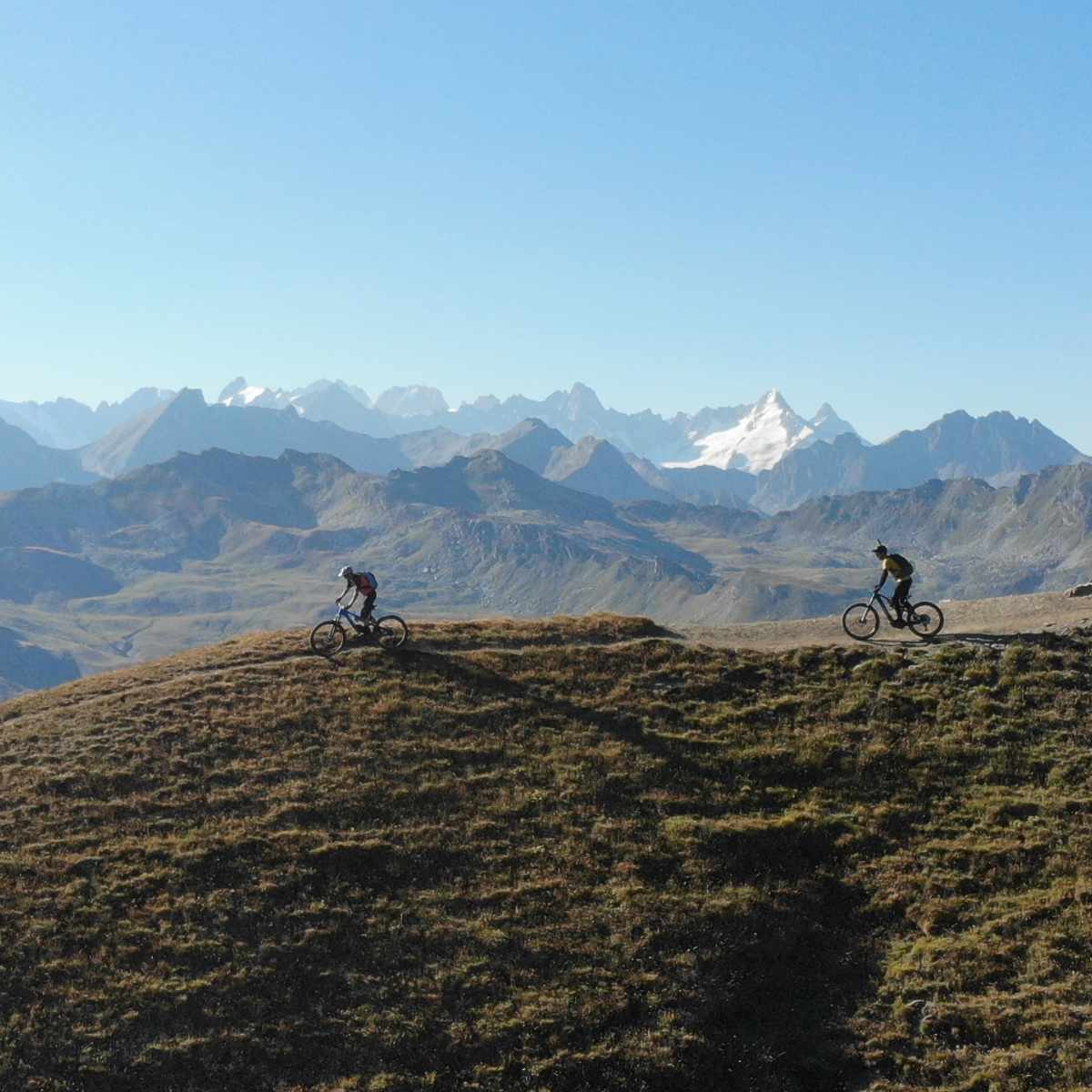
Groups come back together. This may be what touches me most as a guide: the assistance lets people of very different fitness levels share the same ride. The couple where one rides a lot and the other is getting back into it, the colleagues on a team building day, the parent and the teenager: before, someone had to be chosen to suffer. Not anymore.
And the day stretches. Three descents become five, the next col becomes reachable, and you come home smiling instead of coming home empty.
What the e-bike does not change
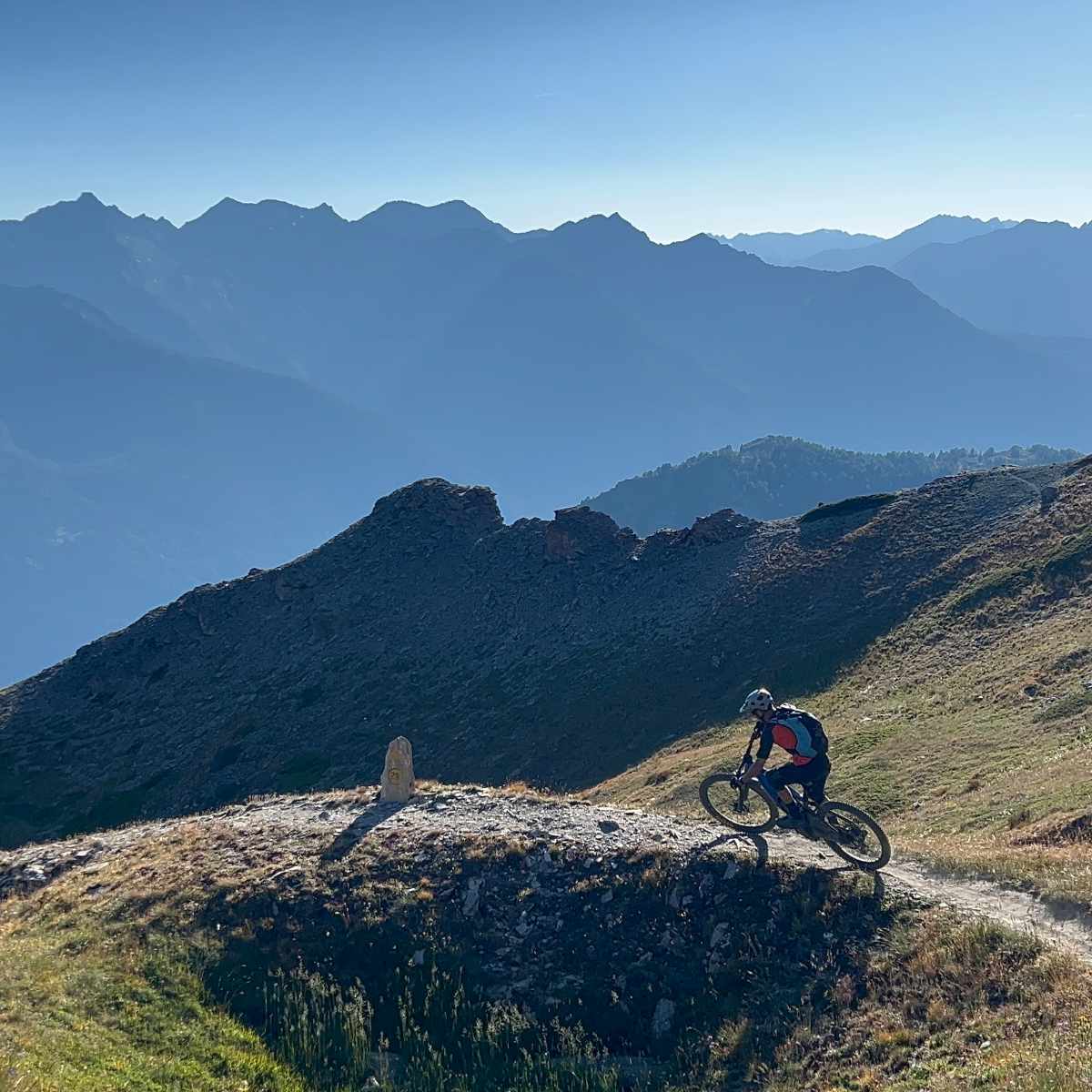
The descent. The motor cuts out at the first switchback: up there, it is you, your brakes, your reading of the terrain. A technical section stays a technical section, and an e-bike, being heavier, actually demands slightly more precise handling. If you hope the assistance will descend for you, I have to disappoint you.
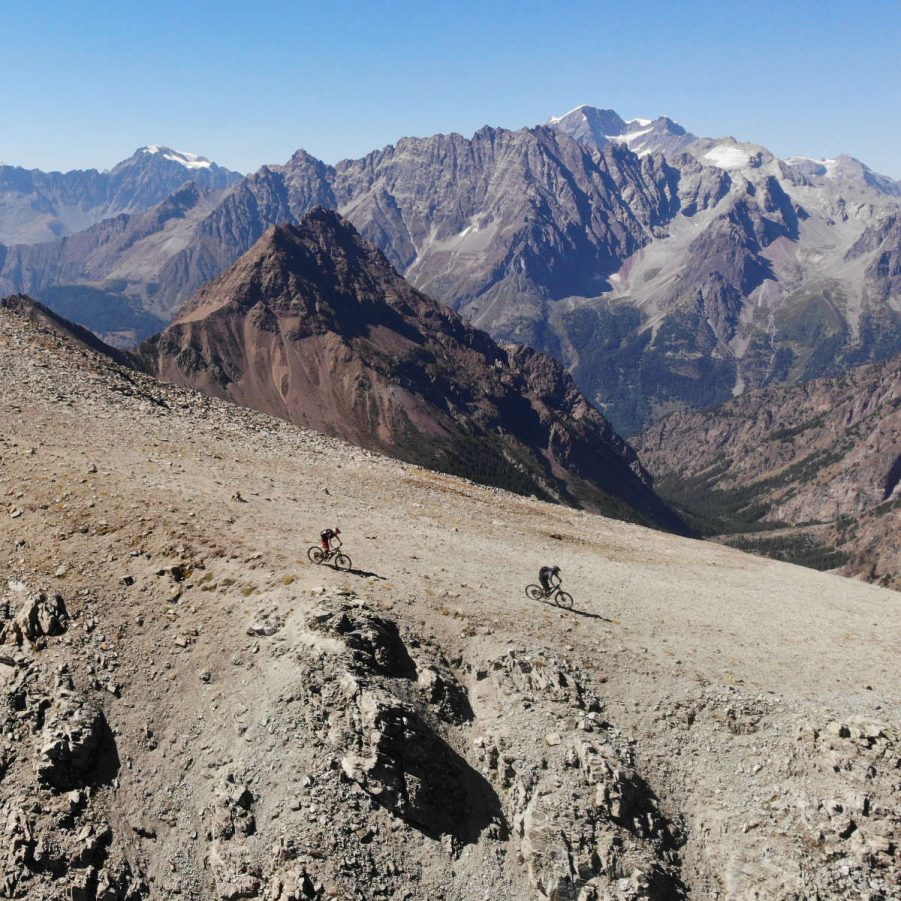
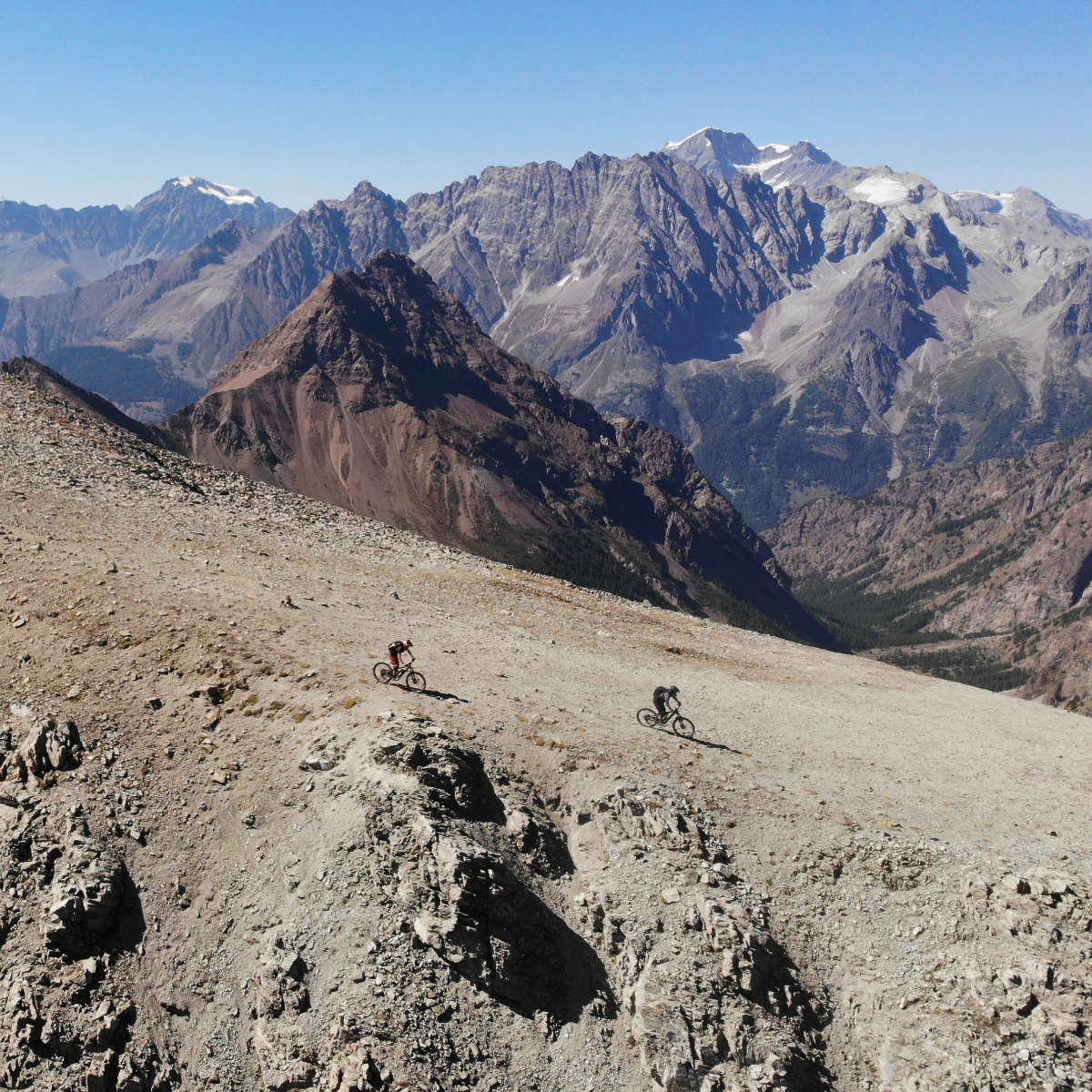
The body works too: differently, but it works. You genuinely pedal, you manage a heavier bike, and a big e-bike day in the mountains remains a big day. An example we know well: on our Val Ferret tour, the end of the climb to the col is done with the bike on your back. Carrying an e-bike at nearly 3,000 metres, believe me, nobody has ever called that cheating. Those who use that word have generally not tried to follow an e-bike group for a full day either.
The e-bike as a working tool
There is an angle people talk about less: the professional side. Guiding means riding almost every day, often several outings a week, with scouting in between. And here I have to be honest: the e-bike has changed the way I work.
Scouting, I cover far more ground in a morning: checking the state of a trail after a storm, testing a variant, preparing tomorrow's ride. Things I sometimes put off "for later" now get done on the spot, and my groups benefit directly.
And when the big days stack up, the assistance helps me line up the outings and the vertical while preserving what matters most in this job: lucidity. A physically drained guide is a guide who sees things coming less well: someone's fatigue in the group, a section that has degraded, the weather turning. Saving watts means keeping attention for others.
The classic bike remains my pleasure. The e-bike has become, without me quite seeing it coming, a working tool. The two get along very well in the same garage.
And for faraway trips?
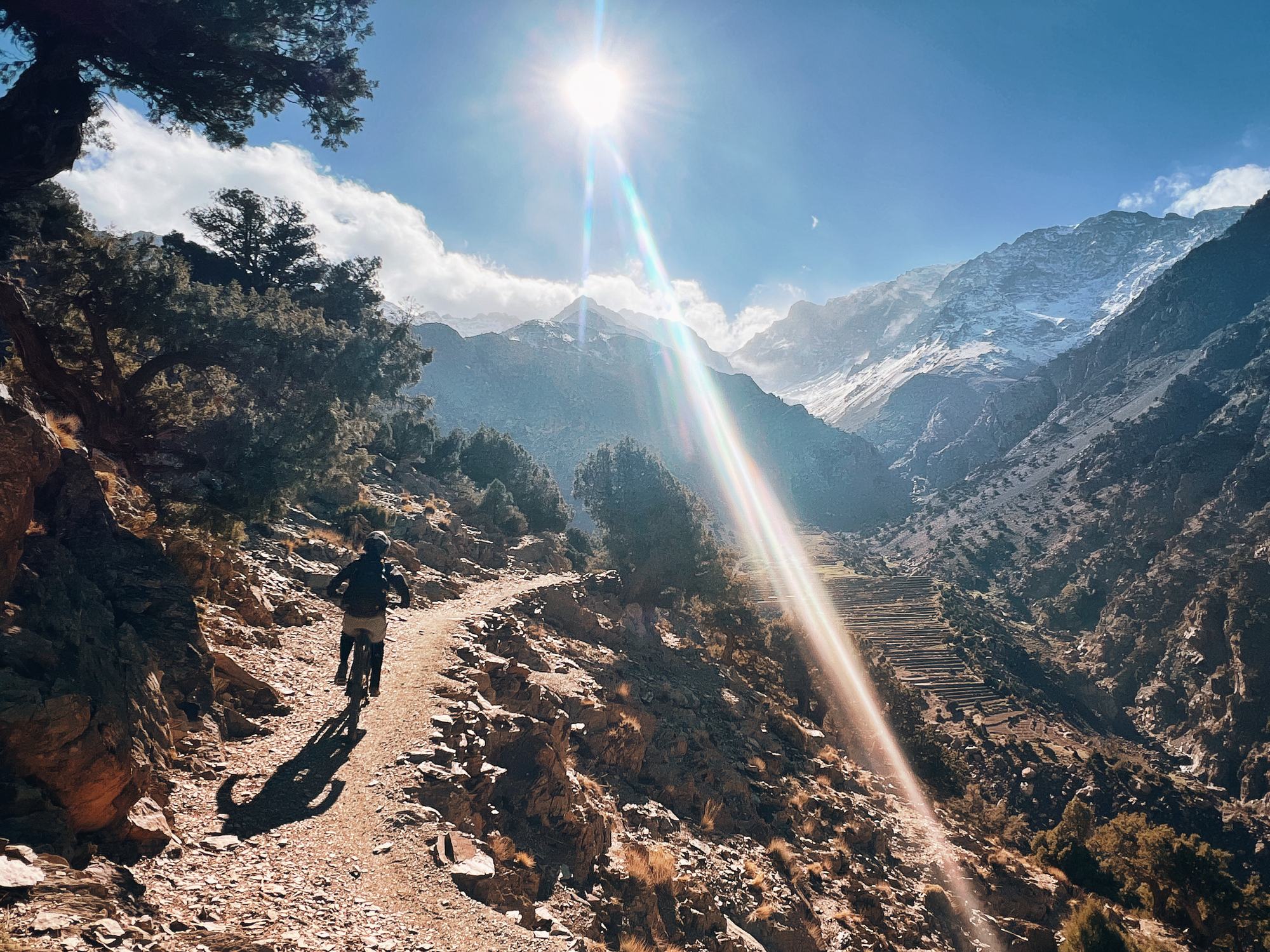
A practical case that comes up before every trip: "can I bring my e-bike?" Here, no debate of principle: airlines refuse e-bike batteries on planes, full stop. On a trip you reach by plane, like our Morocco, the classic bike simply imposes itself: and honestly, in the Atlas, it is a treat.
That said, we have worked on the question for those who do not want to give up the assistance. Two solutions: renting an e-bike on site, in Morocco, is possible; or, a service we are the only ones to offer: we transport your own e-bike to Morocco by road, with our logistics, and you find it again at the foot of the Atlas. Your bike, your settings, your assistance: 3,000 kilometres from your garage.
So, which one to choose?
Frankly: both have their day. The classic bike keeps that something direct and light, that pride of having climbed on leg power alone that gives the descent another taste. The e-bike opens the mountain wider, to more people, for longer. I ride both, depending on the day's mood, and I would be hard pressed to say which one I prefer.
The only real mistake, in my view, is choosing on principle: "real mountain biking", "cheating", "progress"... The mountain does not care about labels. Try both, on real terrain, and listen to what your legs and your smile tell you.
In practice, with us
We built Exoride so the question is never an obstacle: our rides exist in a classic version and an e-bike version, the rental costs the same for both (you can even change your mind from one time to the next), and if you hesitate about which fitness level to aim for, the simple rule: on an e-bike, one notch lower is often enough.
And if you do not know where you stand, we have laid the levels out, clearly, with real terrain images. To give it a try: the rental or the calendar. And for groups that mix everyone, from athlete to beginner: that is precisely where the e-bike works miracles: tell us about your group.
See you on the trails, with whichever bike you like.
Chris