There is no form to fill in beforehand: sign up for a ride, and the account is offered at the end, in one click. That is when it becomes useful, to find your booking, your vouchers and your Exo'points.
We are much more than just a mountain bike guide agency. With our long history and fifteen years of expertise in organizing mountain bike trips, tours and courses, we are the passionate craftsmen behind every tour, trip and course we offer.
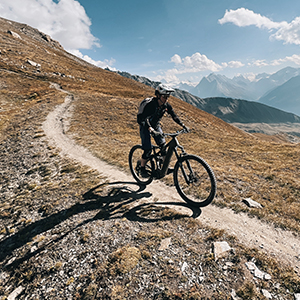
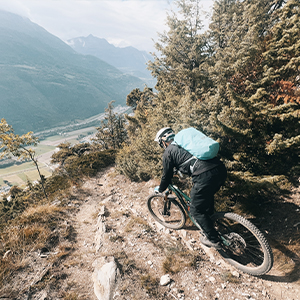
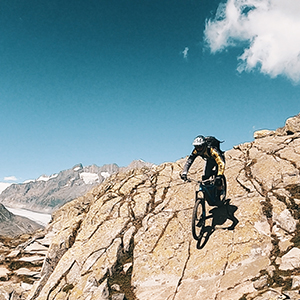
Our mission is simple: to offer you an unforgettable experience, a total immersion in the exciting world of mountain biking, in some of the most breathtaking places on the planet.
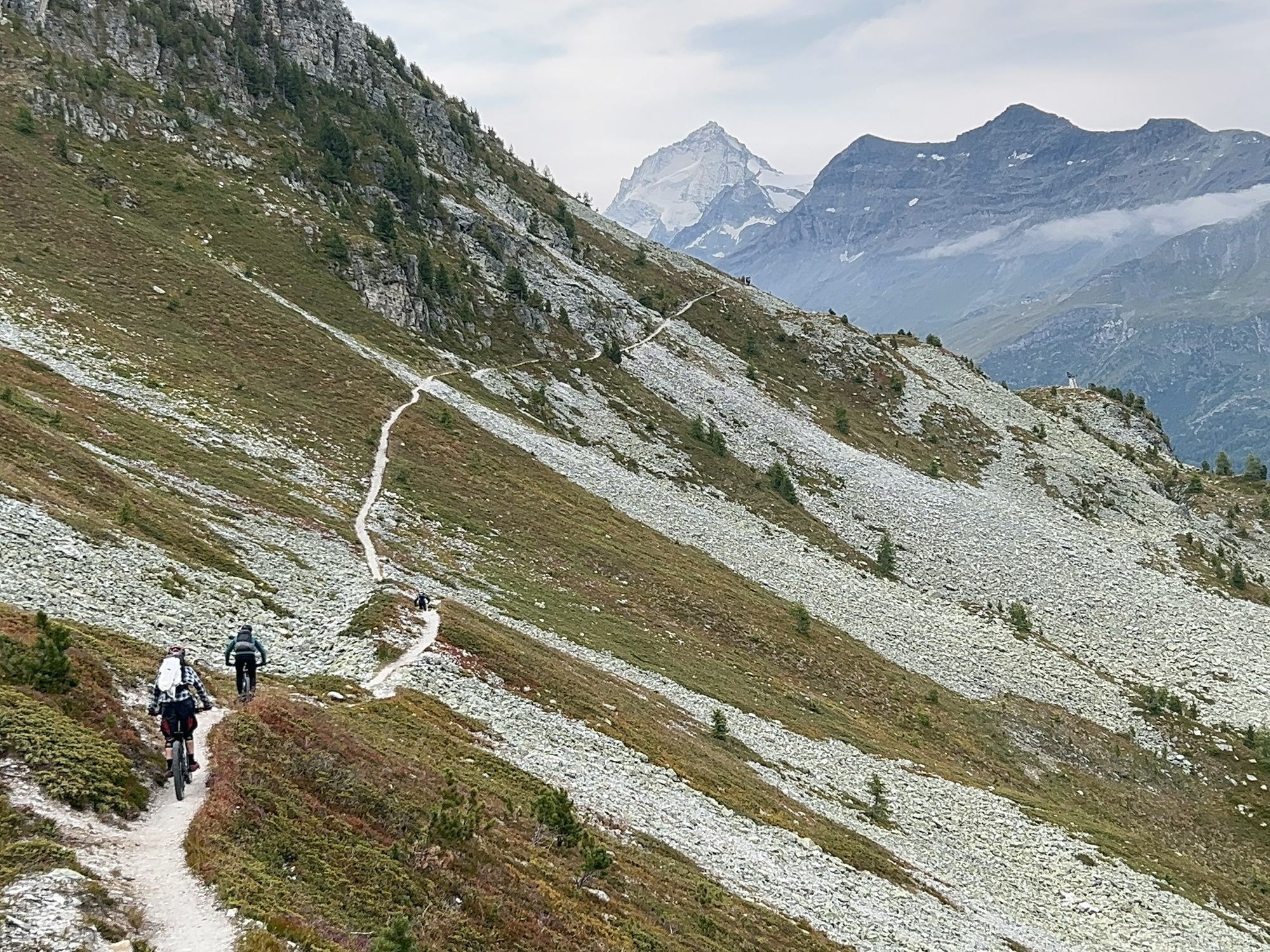
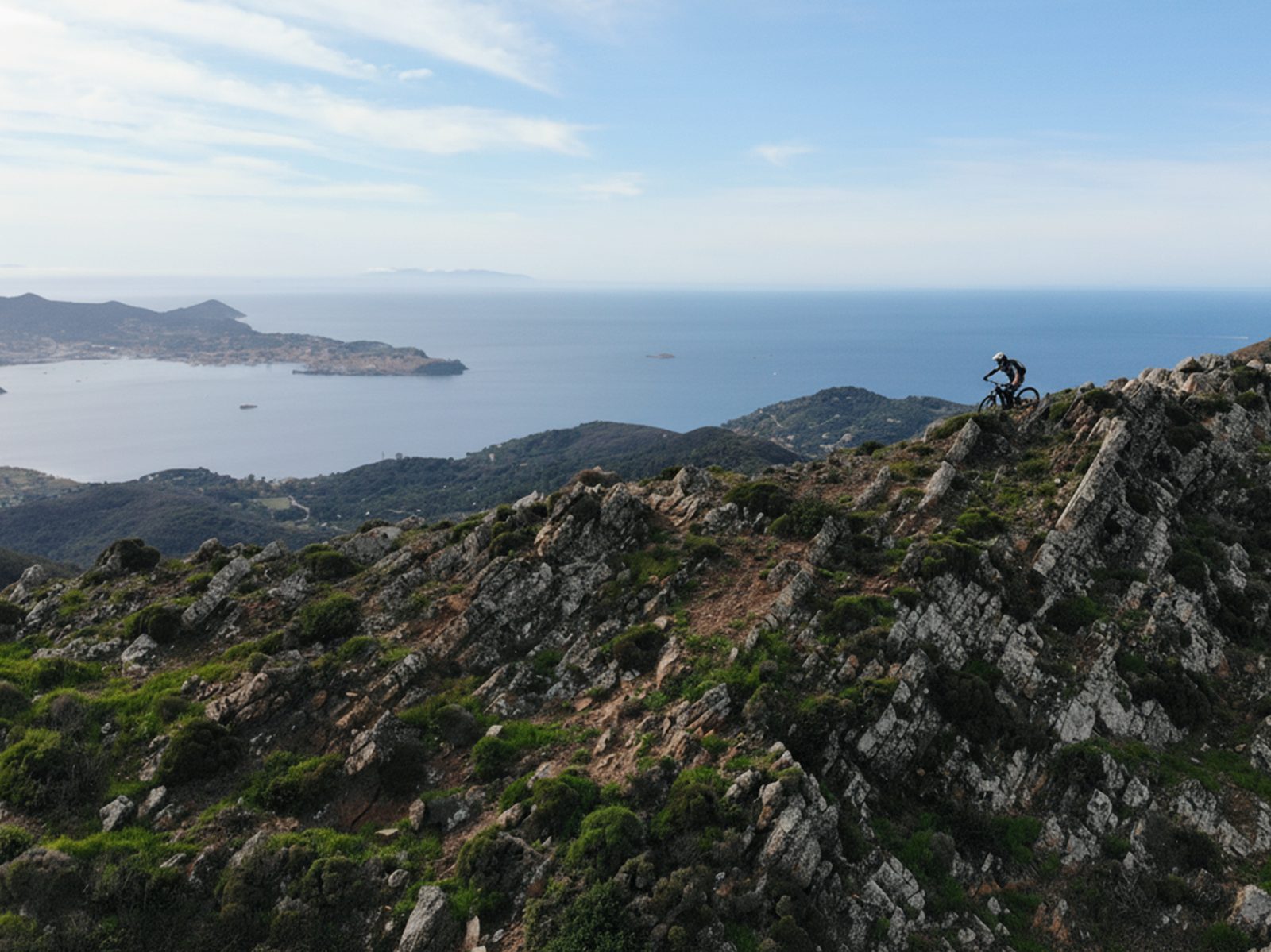
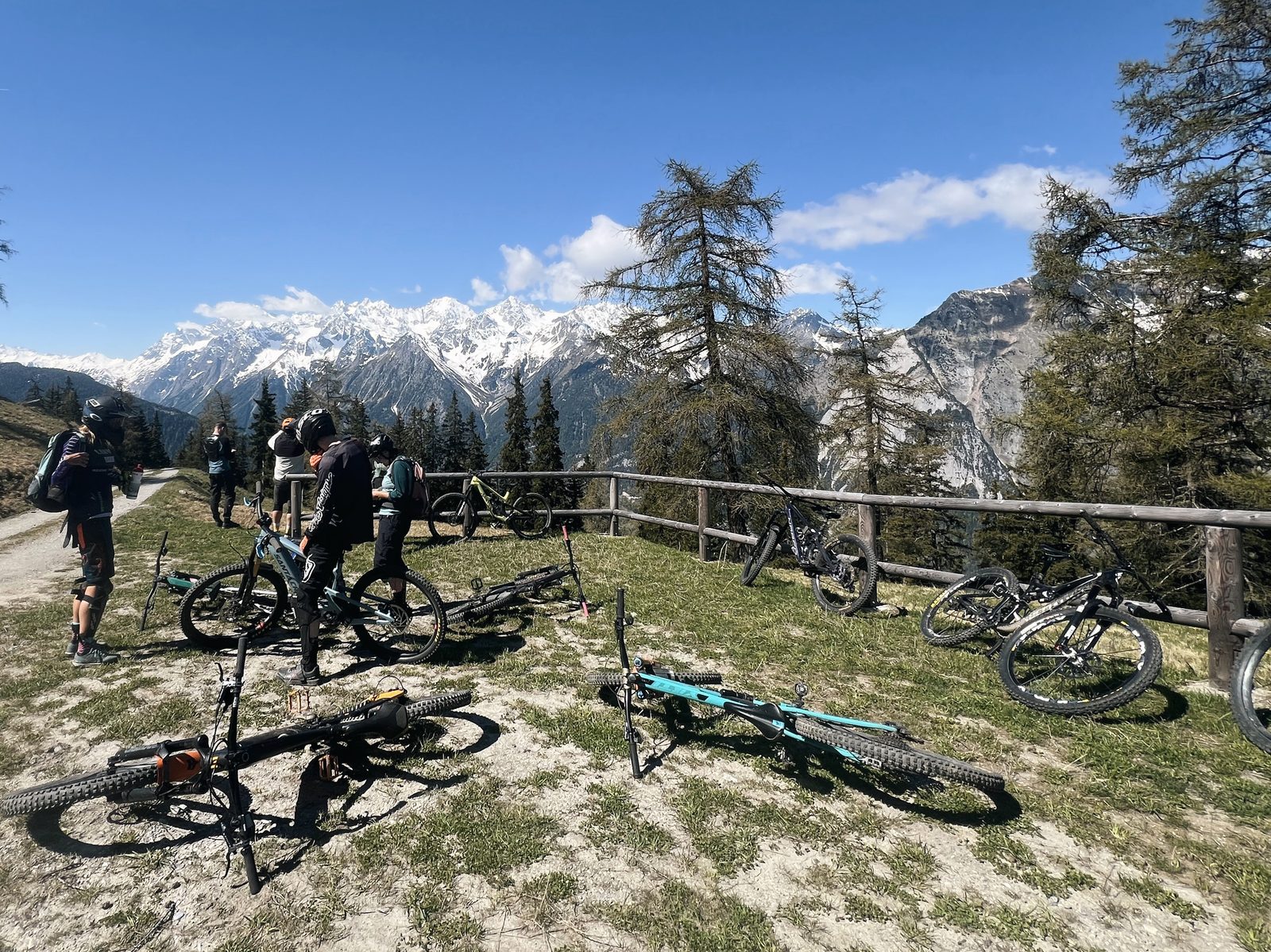
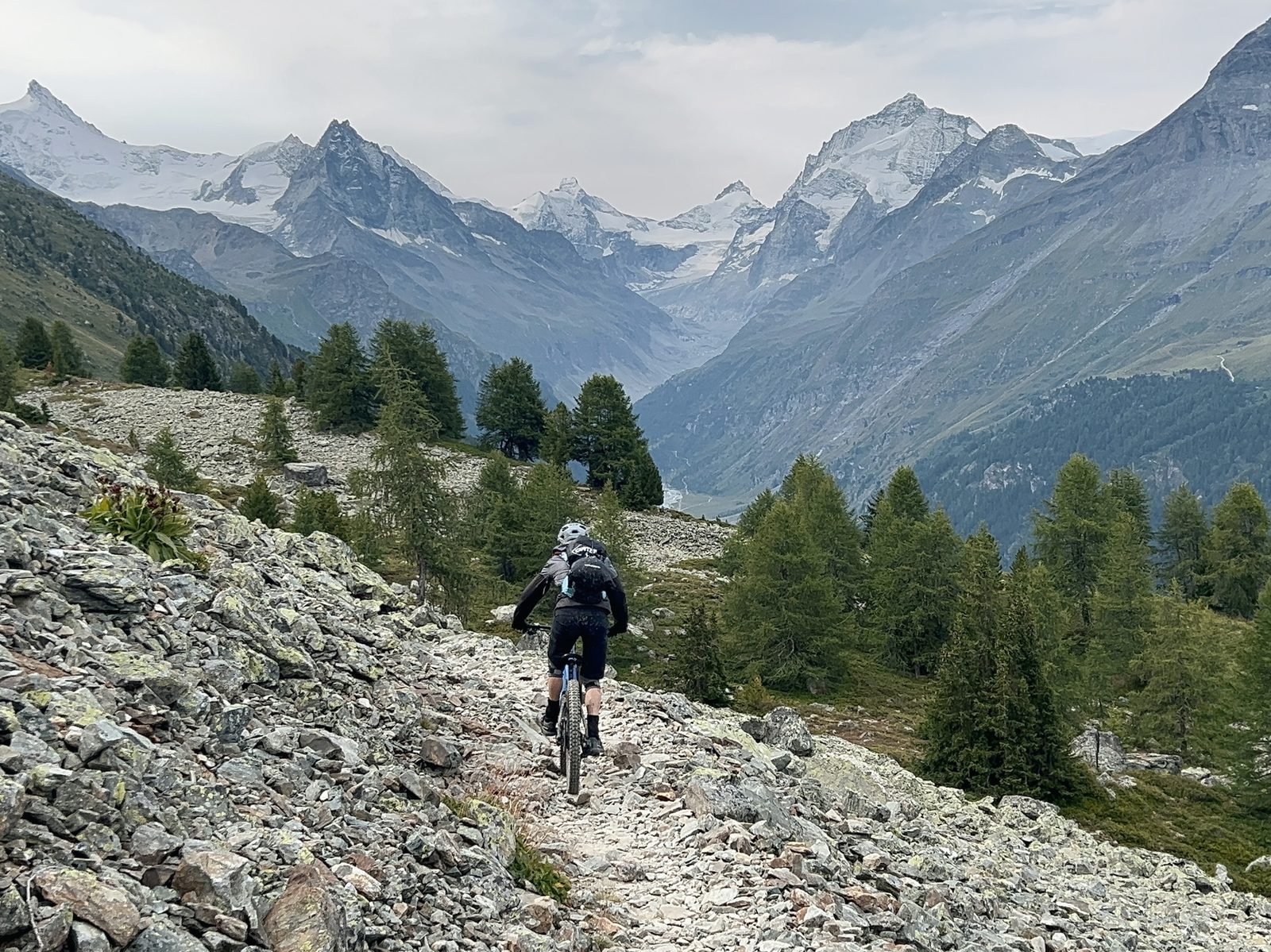
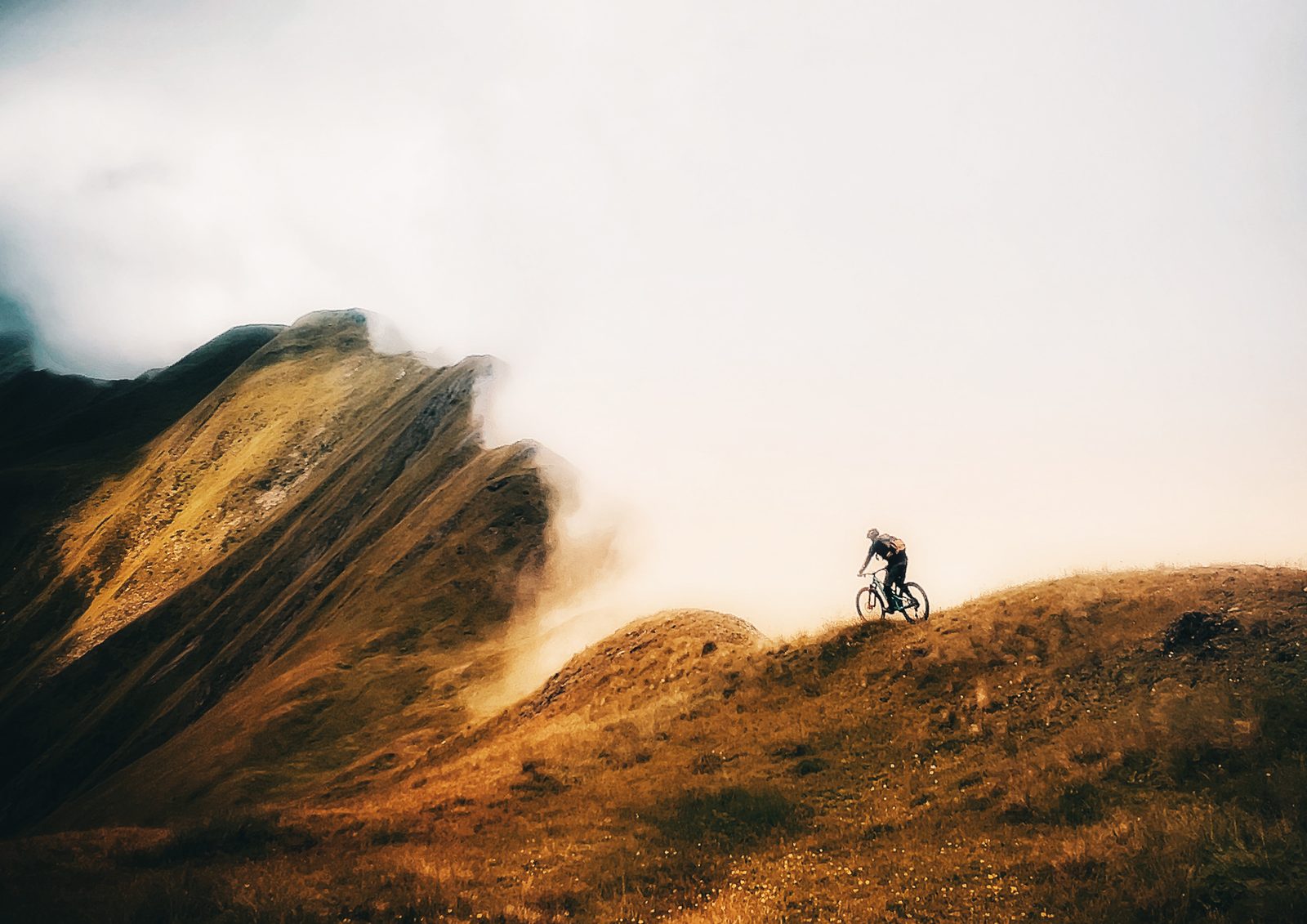
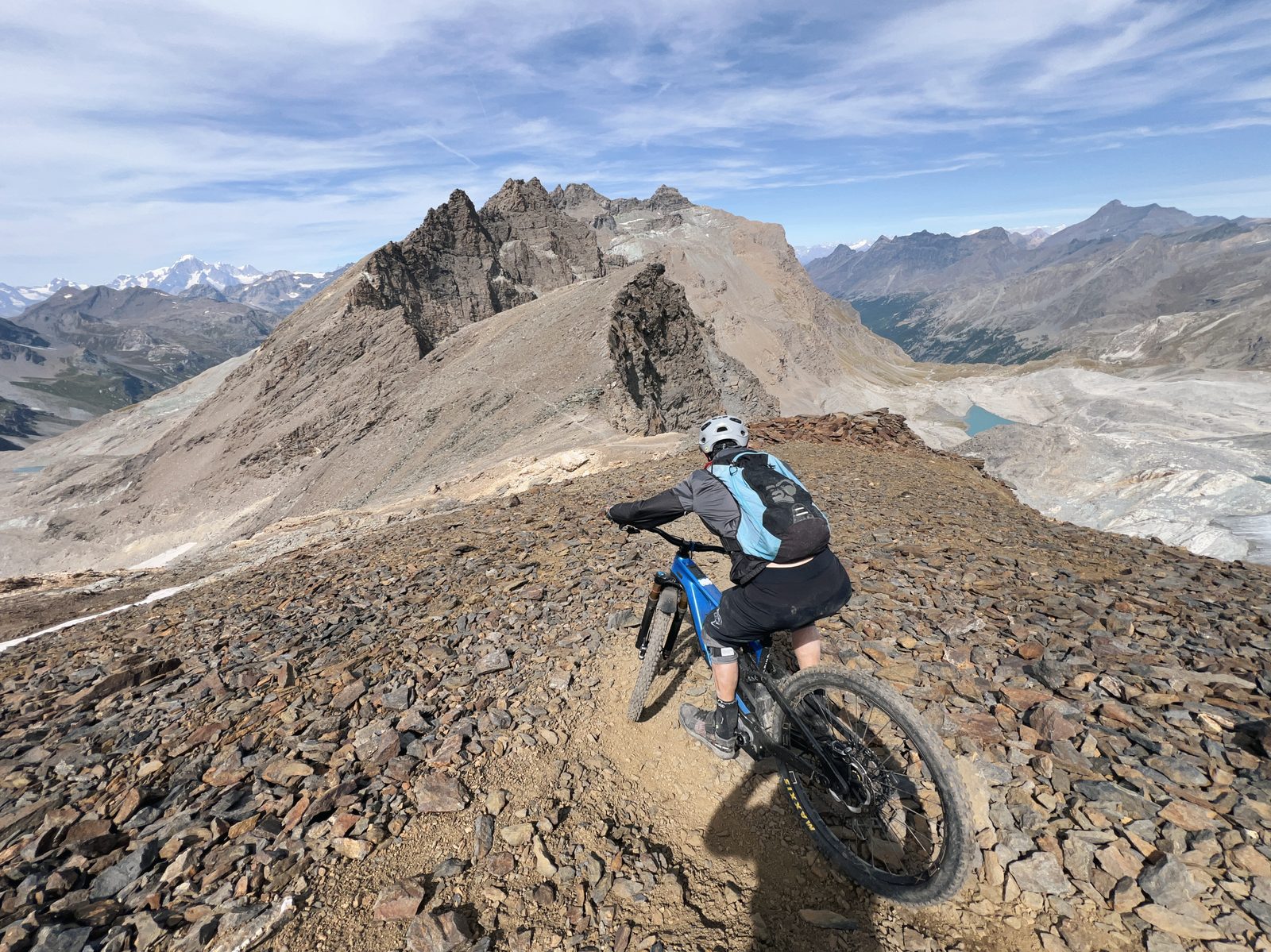
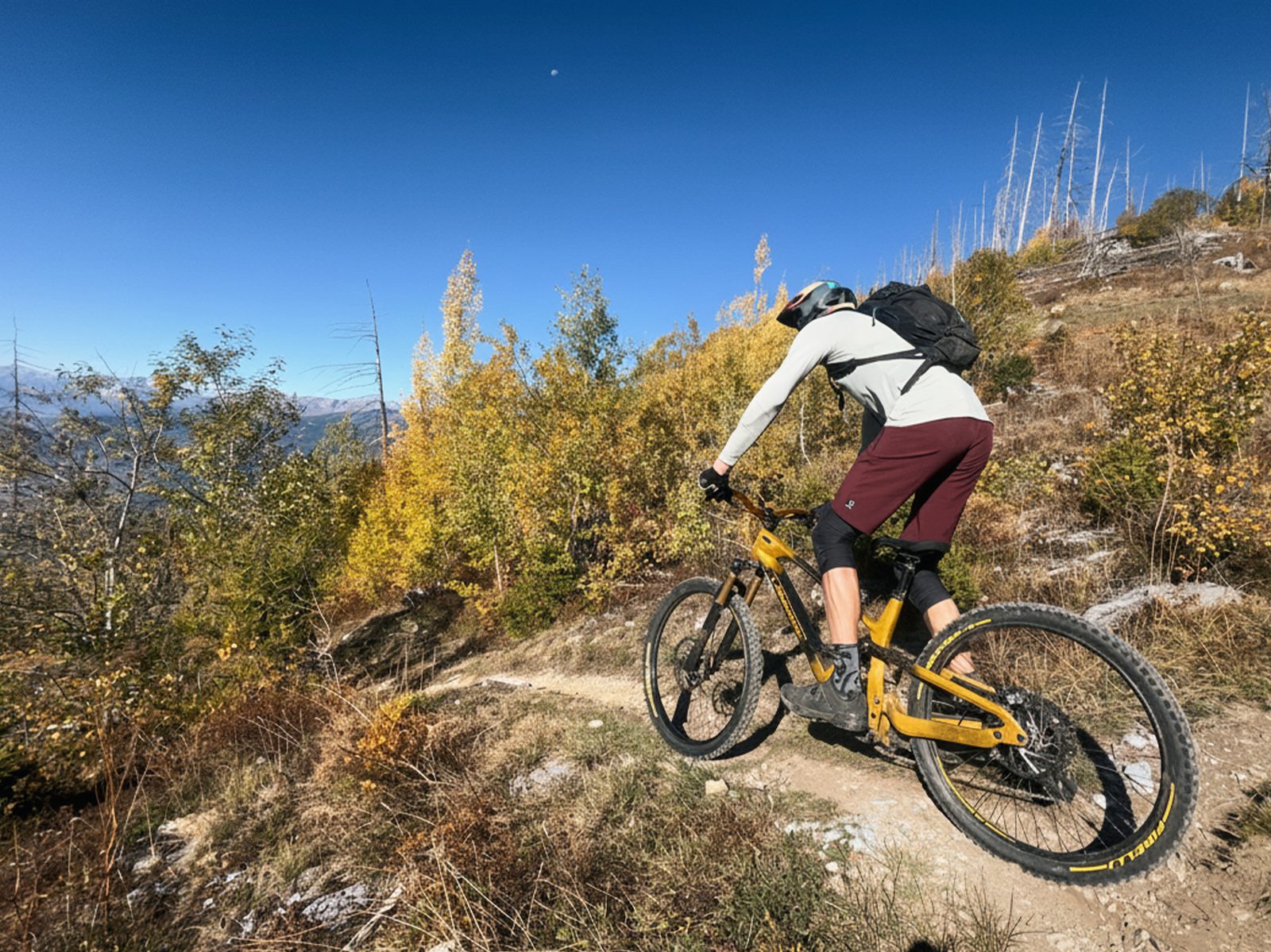
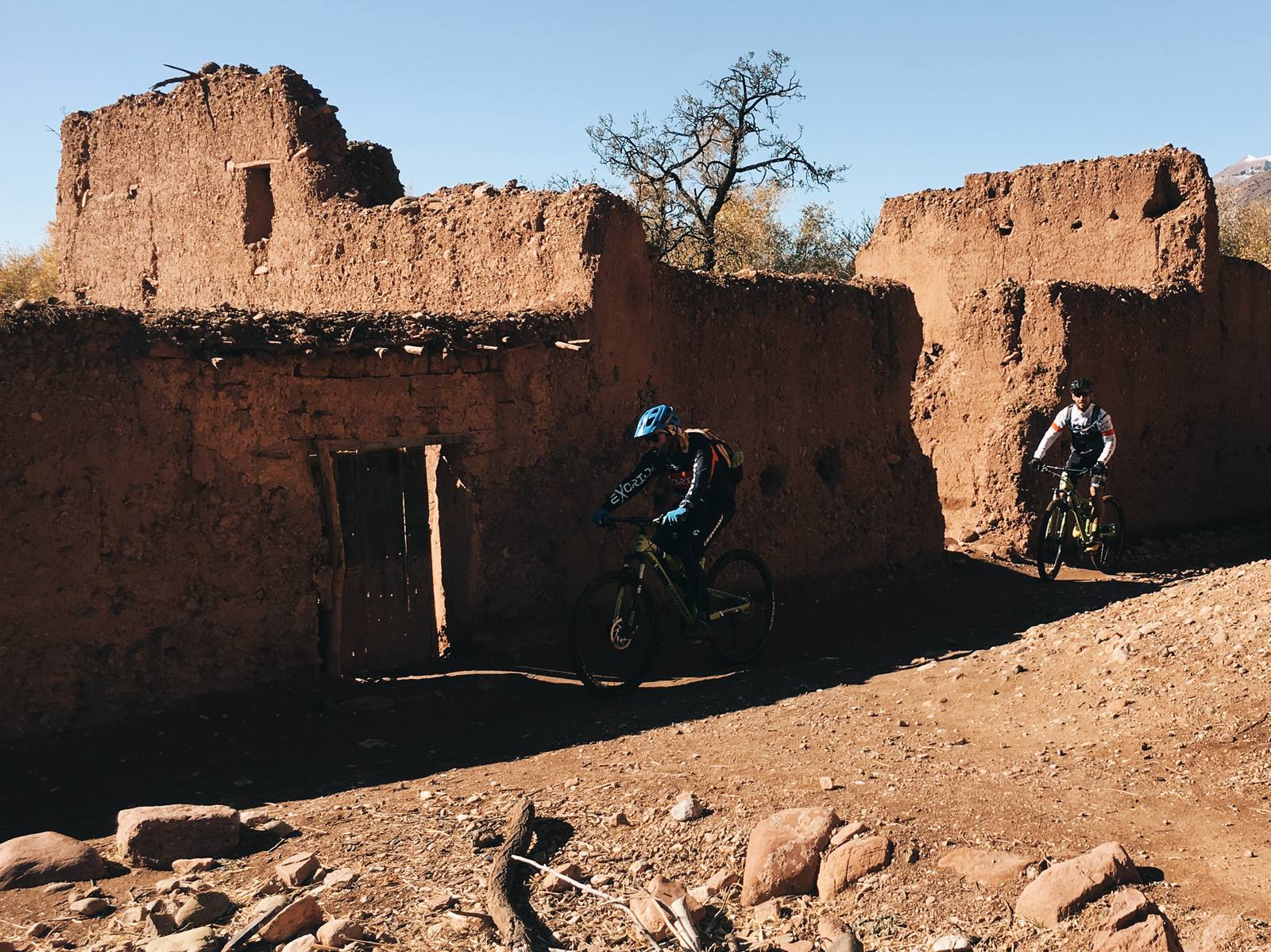
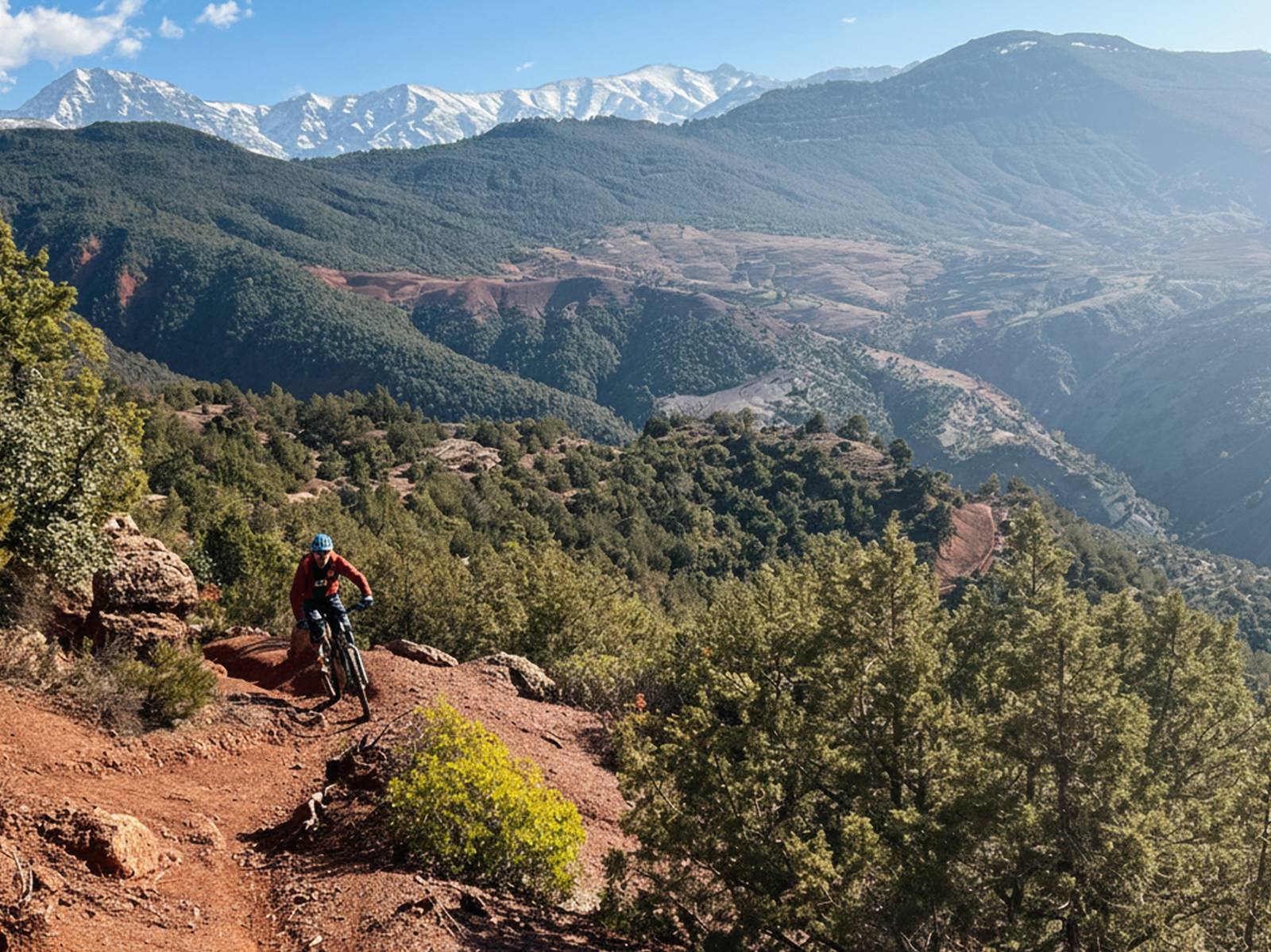
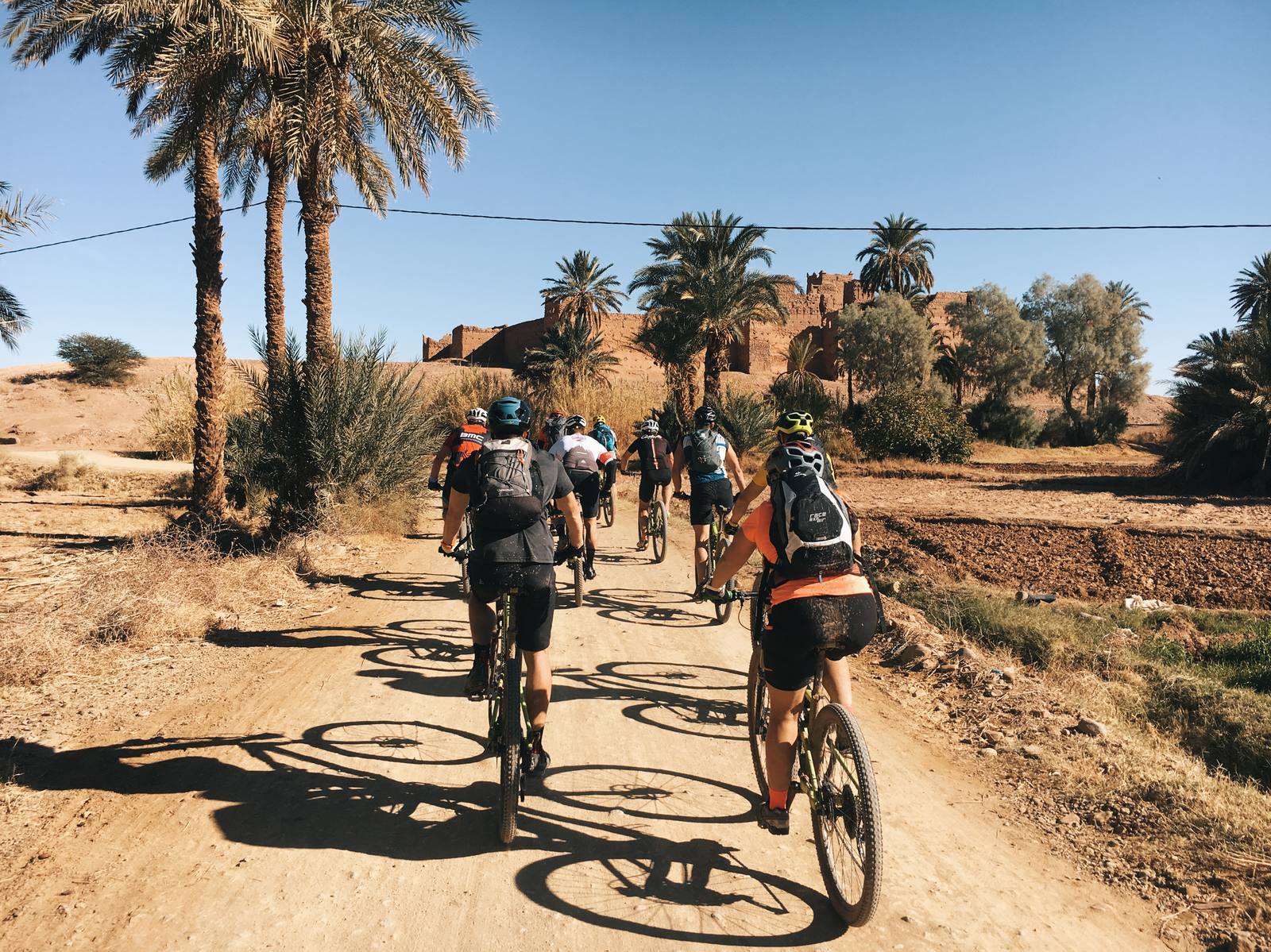
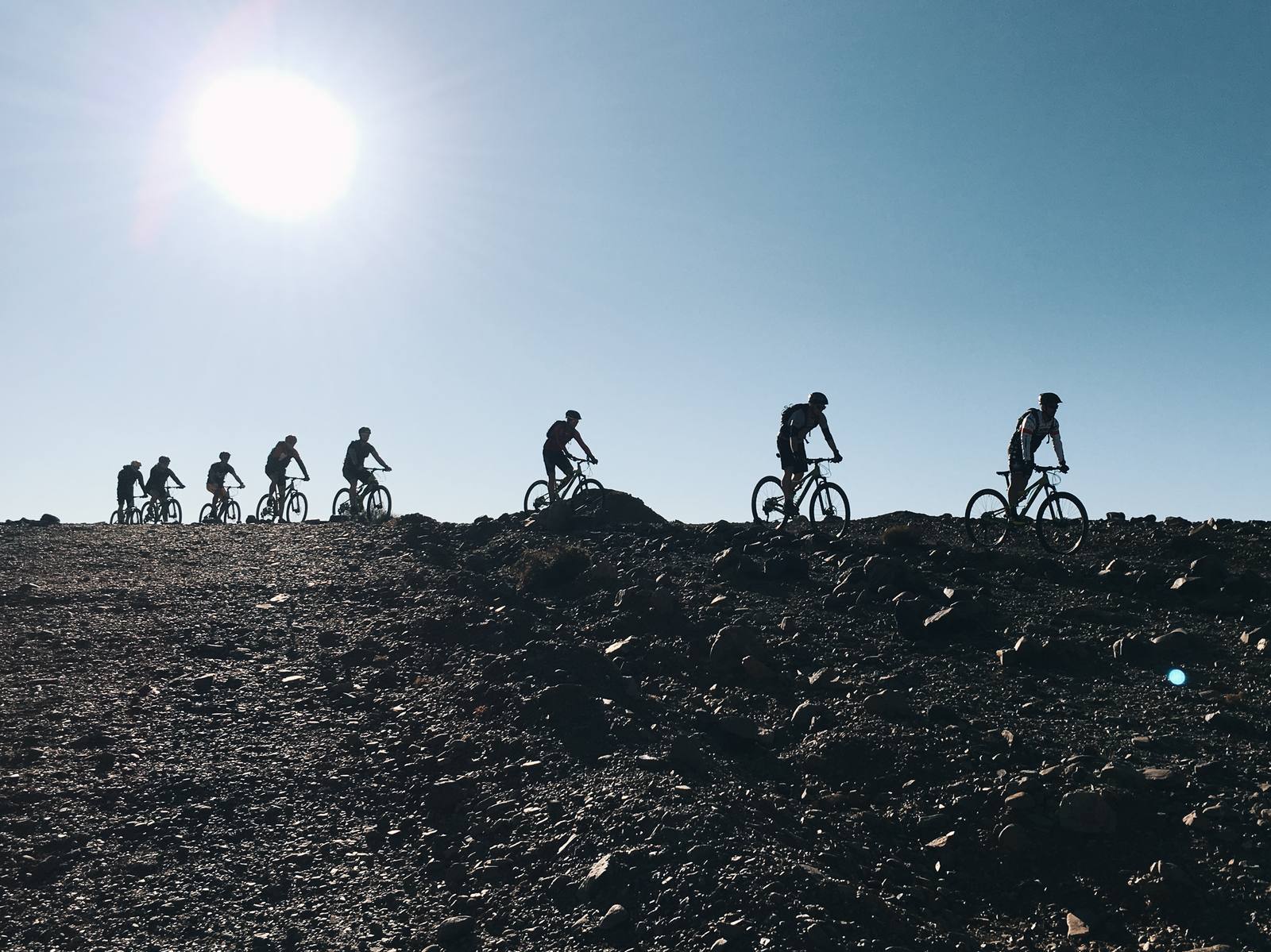
Our mountain bike trips are designed to take you beyond the beaten path, where excitement and discovery meet at every turn. From the majesty of the mountains to winding trails through the wilderness, our itineraries are meticulously planned to provide both challenge and moments of pure jubilation.
Our tours are carefully selected to offer you an authentic adventure. Guided by passionate local experts, you will discover breathtaking landscapes, fascinating cultures and unique experiences that only mountain biking can offer.
In addition to our trips, we offer mountain bike lessons suitable for all levels. From initiation for beginners wanting to master the basics to advanced sessions to perfect your technique, our experienced instructors will guide you with expertise and enthusiasm.
Whether you are looking for pure adrenaline, the discovery of new horizons or simply to improve your skills, Exoride is your partner for an unforgettable MTB adventure.
Get ready for some thrilling moments. Book your next mountain bike getaway with us and immerse yourself in an experience that will stay with you forever.
We are opening Exo'Base, our bike friendly guest house in the Swiss Alps to comfortably accommodate our guests.
Launch of version 6 of the Exoride site.
2022
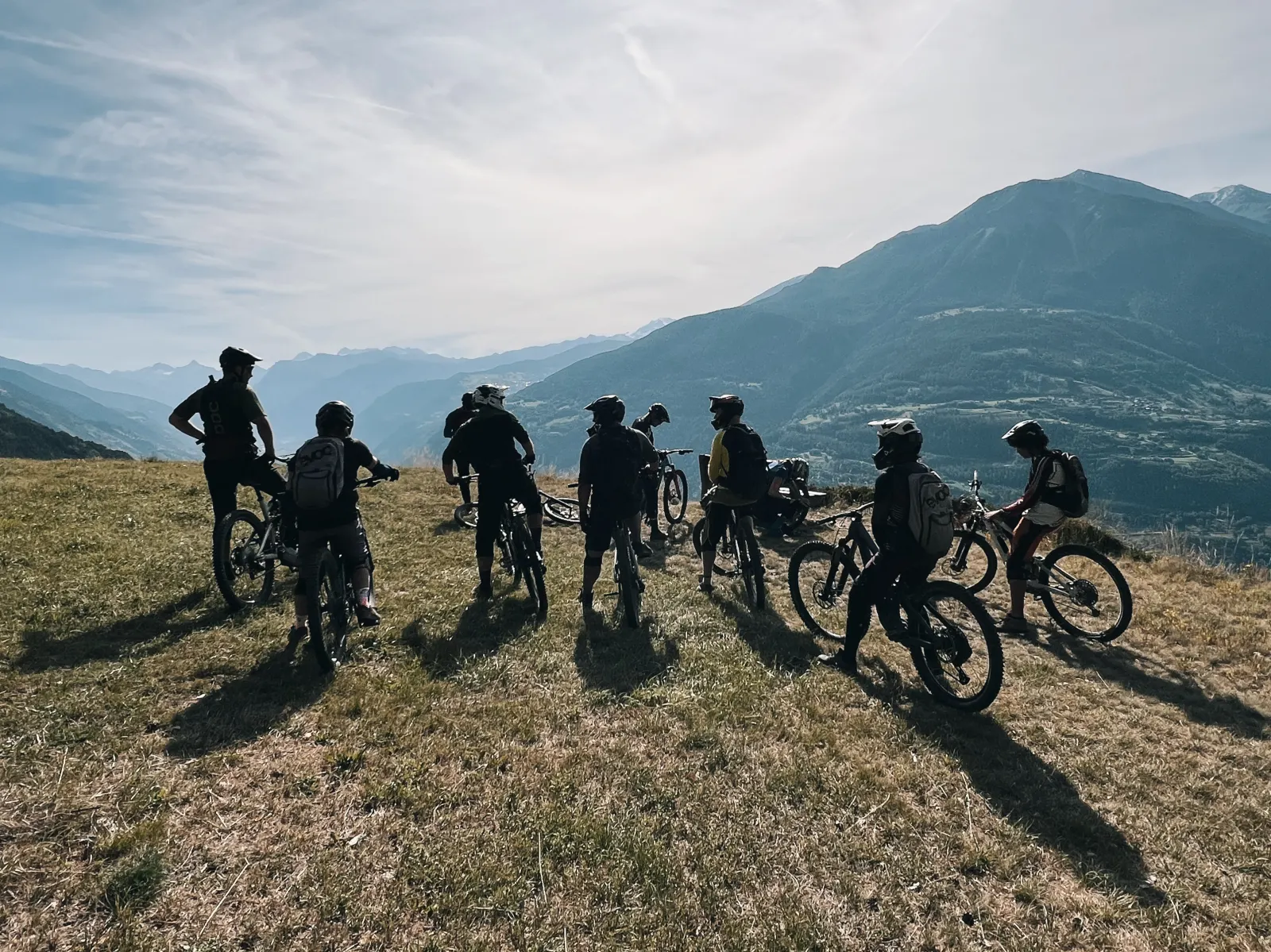
The Exo'community become more than 3'000 riders who joined our tours, trips and coaching.
Thanks all for your fidelity and all the good times!
2021
We are the first in Valais to launch the crazy idea of offering shuttle days of 10,000m of D- in one day.
2018
A new stay in the Caucasus has been added to the catalog, with a daring program mixing horse riding and mountain biking.
Opening of our MTB and E-Bike rental park in Valais
2014
We are pushing the limits again with the opening of the first enduro mountain bike stay in Iran.
2012
After the success of our first enduro program in Morocco, we are opening a second exclusive adventure to the summit of M'goun at an altitude of 4,000m.
At the same time, we are launching the first mountain bike shuttles in Valais.
2011
After a deep exploration of the High Atlas, we launch our first enduro mountain bike adventure in Morocco.
2010
Opening of Exoride and first mountain bike driving lessons and tours in French-speaking Switzerland.
Customer testimonials
Derniers avis sur Exoride
Exoride in the press
Red Bull TV
2019 | Trip in Iran
Vélo Vert
no 255 | May 2013 | Maroc
Big Bike
No 92 | March - april 2015 | Trip in Iran
Pinkbike
2018 | Trip in Iran
Bike Freak
2013 | Exploration on Mgoun Morocco
Enduro Mountainbike
2013 | Endu'Rock the Casbah, Morocco
Vélo Tout Terrain
2014 | no 183 | Endu'Rock the Casbah
Wallride
2013 | Mgoun, Morocco
Exoride in the press
Sustainability
We act for sustainable development of mountain biking
Participating in initiatives in favor of mountain biking and local communities is at the heart of our commitment at Exoride. We believe in the positive impact of mountain biking not only for fans of this sport, but also for the regions we explore.
We actively support projects aimed at preserving trails, promoting responsible tourism and strengthening ties with locals in the regions we visit.
Together, through these actions, we contribute to preserving the environment, promoting local cultures and creating experiences that benefit everyone, participants and local communities included.
Bookings for 2027 are open: 102 MTB and E-Bike dates, from February to November, across Morocco, Tuscany, the Caucasus, the Aosta Valley and Valais. Seventeen trip departures, fifteen day tours, fifty-four shuttle days and sixteen coaching days: everything is already in the calendar.
We summed up the year in a one-minute film, then month by month just below. One piece of advice before you read on: don't wait too long. Kachapuride, our yearly expedition to the Caucasus, is already full, with a waiting list.
Two days facing the Matterhorn, starts up to 3,400 m
November
Back to Morocco
Endu'Rock and Zagoride, second season
And this is only the beginning: more new dates will join the calendar in the coming weeks. The best way to hear about them first is to join the Exo'community, our monthly newsletter.
February: winter in the Moroccan sun
When the Alps are under snow, the High Atlas is riding. The year opens on February 6 with Zagoride, the crossing from Ouarzazate to Zagora along the old caravan routes: 285 km of easy tracks that never get steep, on an MTB or an E-Bike, with the support vehicle always close behind. It continues on February 13 and 20 with Endu'Rock the Casbah, seven days of enduro in the High Atlas where mules and 4x4s do the climbing for you: 13,400 m of descent over the week.
Same length, same price, same guide, and two ways of riding that have almost nothing in common. To choose, read our comparison Endu'Rock the Casbah or Zagoride. Both trips come back in November, every departure is guaranteed, and the Morocco page has the rest.
March: Camp'n'Ride, Tuscany by camper
On March 8, head for Italy with your camper. Camp'n'Ride means six days of guided E-Bike riding and 245 km of trails between Carrara, the Apuan Alps, Lucca and the island of Elba. Between trails, you cruise Tuscany's finest roads at the wheel of your camper, and some evenings you park facing the sea. The first evening, a barbecue at a hand-picked agriturismo sets the tone: here, the table matters as much as the trails.
Two details make all the difference: your companion who doesn't ride travels for free, and the trip is guaranteed from three riders. The whole concept is on the Camp'n'Ride page.
March to May: Valais wakes up
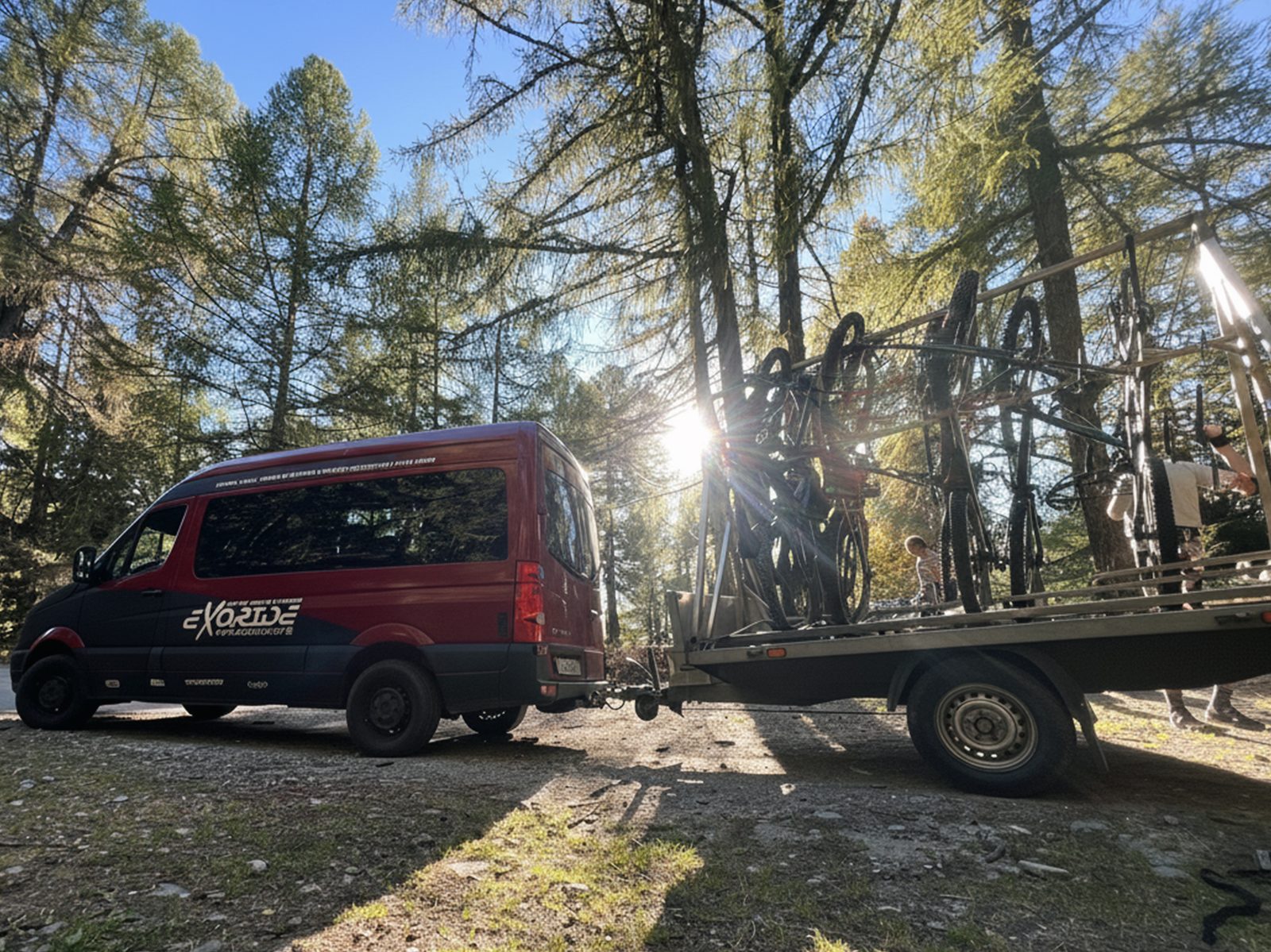
On March 14, the Exo'bus is back on the road for the Valais shuttles. In spring the snow melts from the bottom up: we ride both sides of the Rhône valley, and every week we start a little higher.
Shuttles, from March to November
Fifty-four days in 2027, in Lower Valais, Central Valais and Upper Valais, at level 2/4 or 3/4. The idea: we leave from Martigny, the bus takes the group up and the driver comes back down to collect you at the end of each run. Over 4,000 m of descent at 2/4, over 5,000 m at 3/4, with a local guide certified by Swiss Cycling, mechanical support, and coffee and an end-of-day beer.
On paper, a shuttle day can look intimidating. In reality, it is mostly a day out with friends: nobody needs to ride fast, everyone finds their place in the group, and most people come back. If you plan to ride often, the Exo'Pass gives you ten days for the price of eight, valid for 24 months. Many dates follow each other, especially at weekends: two days in a row, a night at the Exo'base in between, and Valais becomes a proper riding weekend. All the dates are on the shuttles page.
Coaching days
Sixteen days from March 1 to October 12, at beginner or intermediate level, on an MTB or an E-Bike, with five students at most. In the morning we work on the fundamentals as a group; in the afternoon everyone gets coaching on their own sticking points, and you go home with the videos of the day. The programme is on the coaching page, and if you are unsure of your level, our questionnaire tells you in two minutes.
The Rochers de Naye are back, above Lake Geneva
On May 20, we leave Valais for the Vaud Riviera. The climbs are done by cog railway from Glion, and the day strings together 35 km and 4,000 m of descent with Lake Geneva below. A classic back in our calendar after several years away.
Fullmoon: the last run by the light of the moon
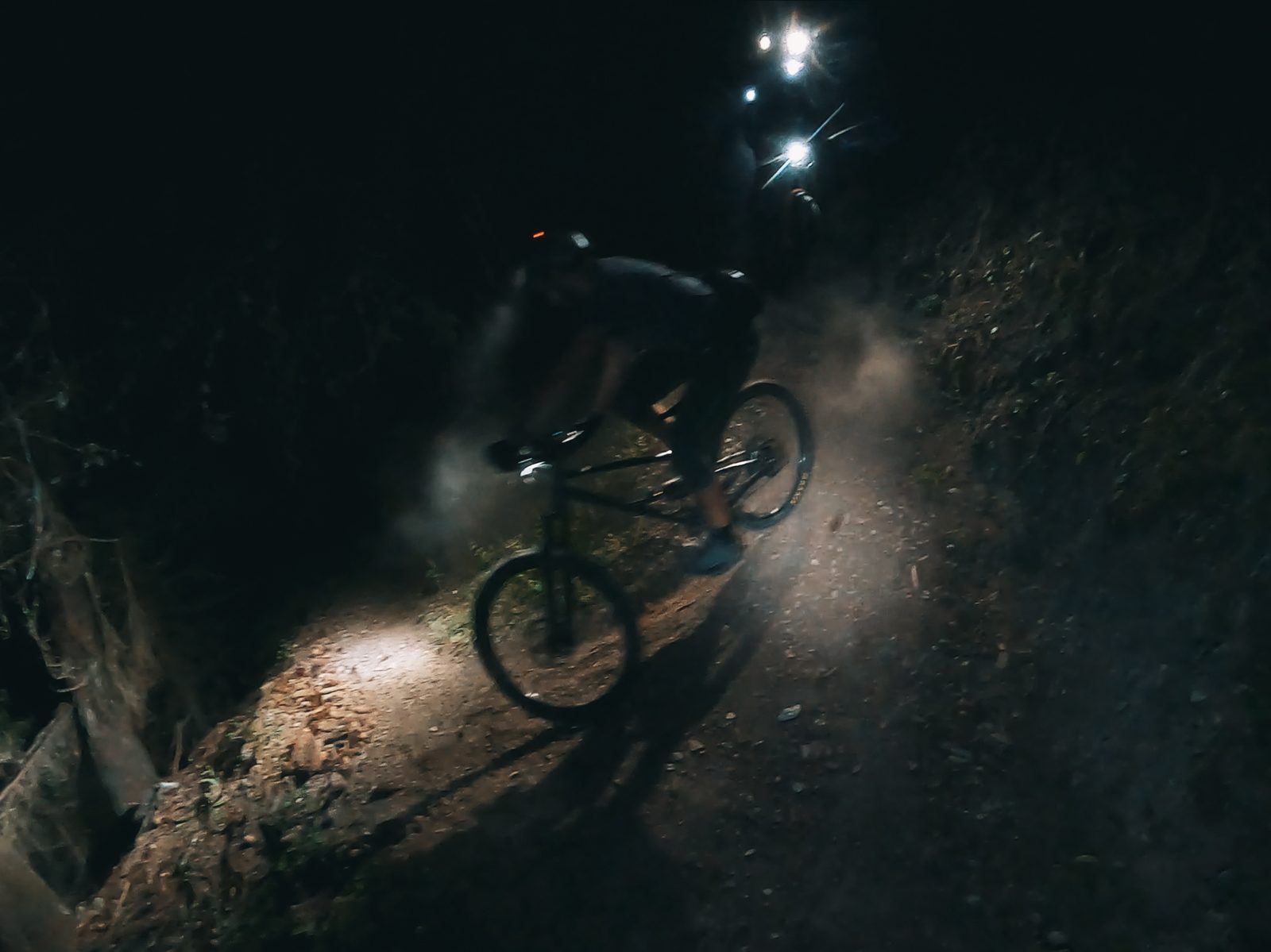
On May 21, and again on September 17, the shuttle day starts at noon in Martigny and doesn't stop at sunset. After the afternoon runs, we share an evening meal in an unusual spot, included in the price, then set off on one last long run under headlamps, by the light of the moon.
June and July: the high mountains open up
In June the high-altitude routes open, in Valais as in the Aosta Valley. It is the season of the big days.
Solstice, on June 18 and 19 and July 3: shuttles from sunrise to sunset on the longest day of the year, for over 10,000 m of descent. Only a few sessions a year, at level 3/4.
Day tours, leaving from Martigny:
Aletsch Glacier, on June 5, June 29 and September 21: 4,750 m of descent facing the longest glacier in the Alps. One of those days people still talk about years later.
Plaine Morte, on June 24 and August 18: a start at 3,000 m, at the foot of the glacier, for 2,700 m of descent.
Trient Valley, on June 23, August 4 and September 30: two drop-offs and 3,000 m of descent facing Mont Blanc.
The Aosta Valley by E-Bike, on June 11: three days and 140 km from the Great St Bernard Pass to the foot of the Matterhorn, with bus support, luggage transfers and Aosta Valley specialities on the menu.
Swiss Made, on July 17 and 24 and August 28: eight days from the Exo'base, our guesthouse facing the Mont Blanc massif. Shuttles in all three regions of Valais, Plaine Morte, Aletsch: the best of the canton in one week, as if you were riding with friends and a local guide.
August: the Caucasus on horseback and the great crossings
Kachapuride, on August 5. Our Georgia expedition runs only once a year, and that is what makes it unique: passes at 3,500 m where horses carry the bikes, a night under canvas at 3,000 m, the Kazbegi region then Tusheti, and long Georgian feasts in the evening. Trails made by shepherds, not by herds. The 2027 edition is full. If you want in, join the waiting list, start thinking about 2028, or gather six or seven friends to book it privately.
E-Bike Haute Route from Verbier to Zermatt, on August 17: six guided days in the heart of Valais, from one hand-picked hotel to the next, full board and return included, with ten riders at most.
E-Bike Transalp Valais and Aosta, on August 21: seven days and 277 km, from the Simplon Pass to the Italian side of the Mont Blanc massif. You stay high all week, never seeing the valley floor again, with several passes at 3,000 m. At level 3/4: a Haute Route on steroids.
September: from Mont Blanc to the Matterhorn
September is the month of crossings and big ridges.
E-Bike Haute Route from Chamonix to Zermatt, on September 5: eight days and 275 km of singletrack, from Mont Blanc to the Matterhorn.
Zermatt, on September 18: two days by E-Bike facing the Matterhorn, with starts up to 3,400 m and a last run of over 2,000 m of descent in one go.
Entremont Extended, on September 23, by E-Bike: from the Great St Bernard Pass to the end of the Val de Bagnes, 3,400 m of descent.
Aosta Valley by E-Bike, on September 24: the version for confident riders, on the finest high ridges.
Entremont Valley, on September 27: from Orsières, two rotations between the Great St Bernard and Val Ferret, 3,300 m of descent.
And the year's second Fullmoon, on September 17.
October and November: autumn, the finest season
If you could pick only one season, this would be it. The larches turn gold, the weather is neither too hot nor too cold, and while the lifts and bike parks close one after another, the Exo'bus keeps taking you far from the crowds. Fourteen shuttle days from October 2 to November 11, the last tour of the year on October 1 in the Lötschental, the last coaching day on October 12.
Riding with your crew, your club or your colleagues? Most of our trips can be booked privately, on your dates, with a programme matched to the group's level. In Morocco, it is possible from six riders, at no extra cost. Kachapuride can be booked privately for six or seven people. The shuttle bus can be hired with or without a guide, and team events have their own formula.
The only trap is waiting. Guides, the bus and accommodation are booked in the order requests come in, and the 2027 calendar is already filling up. The sooner you write to us, the more dates we can offer. Send us a tailor-made request and we'll come back with concrete options.
December: give a 2027 date as a gift
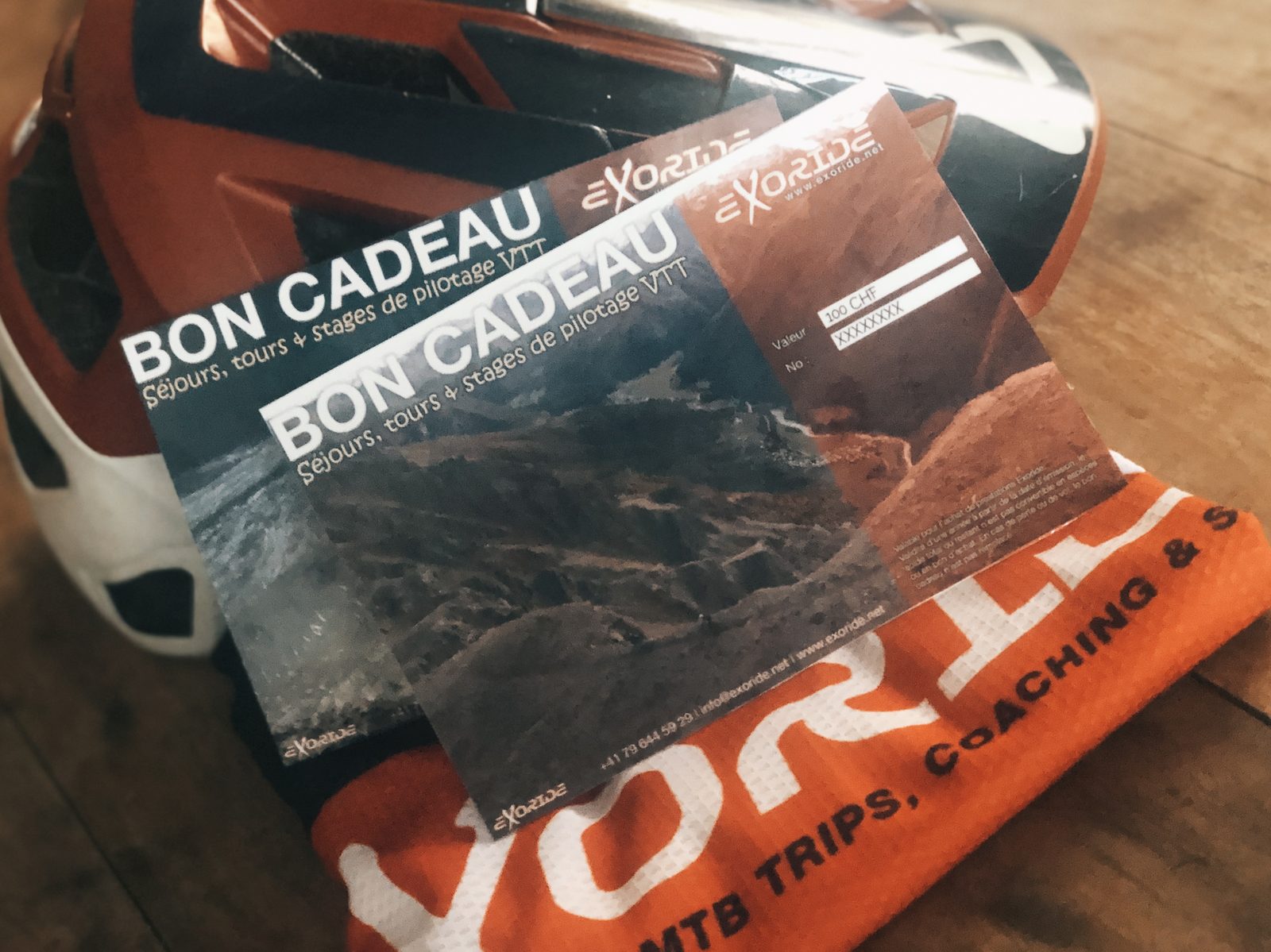
There is one month without bikes in the calendar, and it is the best one for giving a date. The gift voucher can be ordered online from CHF 50, works for everything we offer and stays valid for 24 months: enough for a shuttle day, a coaching day or a whole trip.
Frequently asked questions
When should I book my 2027 dates? As early as possible. Places are deliberately limited: ten riders at most on the Haute Route trips, five students at most per coaching day, and Kachapuride is already full. For a trip, full payment is due 45 days before departure; for a tour or a coaching day, 15 days before.
Which trips are done by E-Bike? Camp'n'Ride, the Aosta Valley, Zermatt, both Haute Route trips, the Transalp and the Entremont Extended tour are done by E-Bike. In Morocco, you choose between MTB and E-Bike, with rental available on site. Shuttles welcome E-Bikes. Among the trips, only Kachapuride is for regular MTBs only.
I'm not sure I have the level. How do I choose? Start with our level questionnaire. Every date shows a technical and a physical level out of four; 2/4 shuttles and Zagoride are good ways in, and a coaching day in spring gets you ready for the rest of the season. If in doubt, write to us.
Are the departures guaranteed? In Morocco and Georgia, yes. Camp'n'Ride runs from three riders. For the other dates, remaining places are shown live on each page of the calendar.
None of the dates suit me. What can I do? Book a trip privately on your dates, or book private coaching on the date and terrain of your choice. Our tailor-made page is there for that.
Can I combine several dates? Yes, and it is often the best way to make the most of the trip. In Morocco the dates follow each other: Zagoride then Endu'Rock in February, Endu'Rock then Zagoride in November. In Valais, many shuttle days follow each other, especially at weekends: book two in a row and spend the night in between at the Exo'base, our guesthouse near Orsières, with dinner and breakfast available on site. Coming from far away? Arrive the day before and sleep there, so you are fresh for the morning meeting point. The Exo'base is reserved for people riding with us: write to us and we'll organise everything.
All the dates, with remaining places shown live, are in the 2027 calendar. See you on the trails.
Your mountain bike can travel in the hold without a scratch, as long as you give it two hours before departure and the right packaging. This guide gives you the complete method, from booking your flight to your first ride on arrival: which protection to choose, how to strip the bike down, what to slip into the bag, what is forbidden on board, and how to put everything back together without forgetting a thing.
A bike that arrives with a bent derailleur or a warped rotor is the start of a ruined trip. More often than not, the baggage handler isn't to blame: a fragile part was sticking out of the packaging. The good news: it can be avoided, and you only have to learn it once.
This guide is for every rider who travels with their bike: whether you are heading off to ride in Morocco or the Caucasus, or coming from abroad to ride with us in Switzerland. Over the coming weeks, we will add photos of every step and a step-by-step video.
Bag, box or hard case: choose your protection
A cardboard bike box and a padded soft bag are both good choices; a hard case is worth it if you often travel with a high-end bike. The box protects very well because it is rigid, it works for the outbound and the return journey, and it is often the option that needs the least dismantling. The bag rolls to the check-in desk and folds away once you arrive.
The cardboard bike box
Protection: very good, because it is rigid. It does not like rain unless it is wrapped.
Empty weight: about 3 to 5 kg.
Price: free from a bike shop, sometimes supplied at the airport.
Dismantling: often the lightest: front wheel, pedals, handlebar turned.
On arrival: it works for the outbound and the return journey, as long as you keep it dry.
The padded soft bag
Protection: good, with reinforcements around the derailleur and the fork.
Empty weight: about 7 to 10 kg.
Price: about 400 to 800 CHF.
Dismantling: both wheels, the handlebar, often the derailleur.
On arrival: it folds and fits in a car boot or a hotel room.
The hard case
Protection: the best.
Empty weight: about 10 to 15 kg.
Price: about 500 to 1,000 CHF.
Dismantling: both wheels, the handlebar, often the seatpost.
On arrival: bulky, it does not fold and is hard to store.
Three criteria make the difference:
Total weight. Most airlines cap sports baggage at 23 or 32 kg. An enduro bike weighs 15 to 17 kg: with a 13 kg hard case, you quickly go over 23 kg before you have even added your helmet.
What you do with it on arrival. On a multi-stop trip, the packaging has to wait for your return somewhere. A folding bag fits anywhere, a box or a hard case much less so. Before travelling with an organiser, ask where the packaging will stay during the week.
Getting around on the ground. Wheels make all the difference between the station, the car park and the check-in desk.
If you travel with a box, wrap it completely in stretch film. If it rains on the tarmac while the bags are being loaded, a wet box loses all its rigidity. On arrival, keep it dry for the return, and pack a roll of film and some tape to close it up again.
If you only travel occasionally, look into renting too: some bike shops rent out padded bags by the week.
Before you book: the airline rules
Your bike travels as sports baggage, and it has to be declared in advance. Never add it on the day of departure: space in the hold is limited, and the price at the desk is almost always higher than online.
The rules change from one airline to another, and sometimes from one year to the next. Two examples departing from Switzerland, checked in October 2026:
Maximum weight: 23 kg within the Economy allowance, 32 kg as an additional bag.
Maximum dimensions: 280 cm (height + width + depth).
Registration: up to 72 hours before departure.
With other European airlines, expect anything from a few tens to over a hundred francs per flight. Always check three things on your airline's website when you book:
The price, outbound and return, and whether it is included in your allowance.
The maximum weight and dimensions of the packaging. Measure your bag: some exceed 280 cm once filled.
The packaging requirements. Some airlines refuse soft bags and ask for a box or a hard case. Edelweiss, for example, requires deflated tyres, front wheel and pedals removed and the handlebar turned.
A few common-sense rules:
Choose a direct flight. Every connection means one more round of handling and one more chance that your bike gets left behind.
Check your insurance. Third-party liability does not cover damage to your own bike. See what your household insurance, travel insurance or credit card covers, and keep the bike's invoice.
Plan your transfer on arrival. A packed bike does not fit in just any taxi. When you book your transfer, give the number of bags and their dimensions, and get it confirmed in writing. Even with a confirmation, a driver can refuse at the last minute: keep a back-up plan.
One week before: service your bike and note your settings
Leave with a serviced bike, not a bike to repair on arrival. Abroad, a part you cannot find can cost you two days of riding. One week before departure, you still have time to order what is missing.
The service
Brakes: more than 2 mm of pad left, otherwise change them before you go. A series of descents in Morocco or the Caucasus wears them faster than your usual rides.
Tyres: knobs in good shape, no cuts in the sidewalls. If you run tubeless, top up the sealant if it is more than three months old.
Drivetrain: clean chain, cassette and chainring, gears indexed. Check that your derailleur hanger is not already twisted (except with SRAM T-Type, which has none).
Suspension: no oil leaking on the stanchions, no play in the pivots.
Bolts: stem, handlebar, axles and pivot bolts. If you don't know how to check them, have your bike shop do it.
Your reference marks
Note everything you are about to change by dismantling. When you put it back together, you get your bike back exactly the way you like it, without guesswork.
Saddle height: a piece of tape around the seatpost, flush with the frame.
Handlebar: a permanent marker line on the bar, at the edge of the stem, to find the angle and centring again.
Levers and controls: a marker line on the bar next to each clamp.
Suspension pressures: note the fork and shock pressures, and the number of clicks for each setting.
Tyre pressure: note the one you use on the trails.
A photo of the cockpit, from the front and the side: it is the quickest reference of all.
Parts to order now
The most important part is a spare derailleur hanger, specific to your frame. It is the part that breaks most often on a trip, and far from home it is almost impossible to find. If your bike has a SRAM T-Type drivetrain, you don't need one: the derailleur mounts directly on the frame, without a hanger. The full list of parts to take is further down, in "What travels with you".
Step by step: dismantle and pack your bike
Allow an hour the first time, half an hour once you have the knack. Do it calmly the evening before, not on the morning of departure. The method below is the full version, for a padded bag. With a box, you usually dismantle less: the front wheel and the pedals, with the handlebar turned along the frame. Brake spacers and fork spacers are still essential.
What you need
Allen keys (4, 5, 6 and 8 mm) and a T25 Torx key
A 15 mm pedal spanner, if your pedals need one
A torque wrench, essential on a carbon frame or handlebar
Plastic brake spacers, one per caliper
A fork spacer and a rear axle spacer, matching your axle sizes (Boost or not)
Foam pipe insulation, tape, zip ties and an old rag
A freezer bag for small parts
A luggage scale
The steps
Clean the bike. A clean bike is easier to dismantle, and it goes through customs without raising questions: some countries check for soil on the tyres.
Shift into the smallest cog, then remove the pedals. To loosen them, always turn the spanner towards the back of the bike, on both sides: the left pedal has a reverse thread. Put the pedals in the freezer bag.
Remove the wheels and immediately slide a spacer into each brake caliper. Without a rotor or a spacer, one squeeze of the lever is enough to close the pistons, and you can no longer fit the wheel.
Protect the rotors. The safest is to remove them (six T25 Torx bolts or a Center Lock lockring) and store them flat, in cardboard between two sheets. Otherwise, put the wheels in wheel bags, rotors facing the inside of the bag.
Fit the axle spacers. The fork spacer stops the fork legs from being squeezed together by a knock, the rear spacer does the same for the rear triangle. Your bike shop often keeps them from the boxes of new bikes.
Remove the rear derailleur. Unbolt it from its hanger, without opening the chain or cutting the cable. Wrap it in the rag and fix it inside the rear triangle with a zip tie. It no longer sticks out, it can no longer bend. With a SRAM T-Type drivetrain, mounted directly on the frame without a hanger, follow SRAM's instructions.
Remove the handlebar. Unbolt the stem faceplate, lay the bar along the top tube on a piece of foam, and tie it in place. Don't kink the brake hoses and leave them a gentle curve. Put the faceplate straight back on the stem with its bolts, so you don't lose them.
Lower the saddle. With a dropper post, drop it all the way, that is enough. With a standard post, take it out if the bike is too tall for the bag: your tape mark is already in place.
Protect the frame. Foam insulation on the tubes, the rag on the chain, tape to hold it all. The sensitive spots: the top tube, under the handlebar, and the drive-side chainstay.
Let most of the air out of the tyres, without making them flat. Airlines often require it. Keep about 1 bar in tubeless tyres, so the tyre stays seated on the rim. No need to let the air out of the suspension: the hold is pressurised.
Put the bike in the bag. The frame in the middle, on its supports, strapped in. The wheels in their compartments, one on each side. Check that nothing touches the rotors.
Fill the gaps wisely. Helmet, knee pads, shoes and clothes make excellent padding. But watch the weight, and nothing forbidden in the bag: no CO2 cartridges and no batteries.
Weigh and label. Weigh the closed bag. With a box, wrap it in film first, then put the labels on top. Put one label outside and one inside, with your name, phone number and the address of where you are staying. Add "Fragile" if you like, without counting on it too much.
Take four photos of the packed bike and the closed bag. If anything breaks, they prove its condition at departure.
The guide's tip: slip a small tracker (AirTag-style) into the bag. If it gets left behind, you know where it is before you even reach the baggage desk.
E-bike: the battery does not fly
An e-bike battery does not travel on a passenger plane, neither in the hold nor in the cabin. The rule is the same everywhere: above 160 Wh, a lithium battery is forbidden in passenger baggage (Swiss Federal Office of Civil Aviation, FAA). E-MTB batteries usually range from 400 to 900 Wh.
The bike itself, without its battery, is often refused too. SWISS does not accept e-bikes; Edelweiss only accepts them if the battery does not travel. Every airline has its own rule, to check before you book.
Three solutions, from the simplest to the most complicated:
Rent on arrival. It is the simplest solution, and often the cheapest. For our trips to Morocco, you can rent an e-bike from the Exoride fleet for 390 CHF a week; in Switzerland too, our rental fleet is right there.
Travel with your bike without its battery and rent one on arrival, if the airline accepts the bike and a compatible battery exists at your destination. That is rarely the case far from Europe.
Ship the battery with a carrier. It counts as dangerous goods: approved packaging, long lead times, high cost. Only worth it for very long stays.
For Morocco, we have another solution: we drive down with our bus, and we can take your battery, or your complete e-bike, by road from Switzerland, depending on the dates and the space available. It is all explained in our article Flying with an e-bike: the battery does not get on the plane. In Georgia and Iran, our trips are for pedal-powered mountain bikes only.
What travels with you: tools, spare parts and forbidden items
Your tools and liquids go in the hold, your spare batteries in the cabin, and your CO2 cartridges stay at home. Here is what goes where.
Hold only
Tools, multi-tool, tyre levers: in the cabin, most tools are confiscated at security.
Tubeless sealant, chain lube: tightly closed bottle, in a freezer bag. In the cabin, not above 100 ml.
Knife, cutter, side cutters: to cut the zip ties on arrival, put them in the bag.
Cabin only
Power bank and spare batteries: they always travel in the cabin.
Hold or cabin
Shock pump, hand pump: essential to set your pressures again.
GPS, light, bike computer with a built-in battery: switched off.
AirTag-style tracker: allowed in the hold thanks to its very small battery.
Leave at home
CO2 cartridges: only with the airline's approval, and many refuse them. Take a hand pump.
CO2 cartridges deserve an explanation. Some authorities tolerate them in small quantities, for example four cartridges of 50 ml at most and always with the airline's approval (CASA, Australia). In practice, many airlines refuse them, and they are not always easy to find at your destination. A good hand pump solves the problem.
Spare parts to take
A derailleur hanger specific to your frame, the most important of all (not needed with SRAM T-Type)
A pair of brake pads, the right model
A spare inner tube, even with tubeless, and plugs
A tubeless valve and a valve core
A quick link that fits your chain
Two or three spare bolts: stem, faceplate, caliper
Zip ties and a roll of strong tape
This list fits in a small pouch. Far from Europe, it can save your week, and the group's.
At the airport and on arrival
Arrive early, check your bike before leaving the airport, and put it back together without rushing. Most bad surprises can be sorted out on the spot, as long as you spot them straight away.
At departure
Arrive at least 30 minutes earlier than usual. The bike is checked in at the desk, then often dropped off at an "oversized baggage" counter, sometimes after an X-ray.
Keep the baggage receipt and the proof of payment for the sports baggage.
Don't let the agent open the bag without you if you can avoid it. If they have to open it, help them close it properly.
On arrival
Collect the bag from the oversized baggage belt, often separate from the main carousel.
Open it and check the bike before leaving the baggage hall: frame, derailleur, rotors, wheels.
If anything is broken, go straight to the airline's baggage desk and have a written report drawn up, with your departure photos. On international flights, the written claim usually has to be sent within 7 days for damaged baggage, and within 21 days for delayed baggage (Montreal Convention).
If the bag does not arrive, file the report before leaving the airport, give the address of where you are staying, and let your guide know straight away so you can find a solution together.
Reassembly
Put it back together in the reverse order, using your reference marks and photos. The points not to miss:
Torque settings: stem, handlebar, derailleur, rotors. The value is often printed on the part; on carbon, a torque wrench is not optional.
Brakes: remove the spacers, fit the wheels, then squeeze each lever several times to bring the pads back into place. The first brake test must feel firm.
Derailleur: run through all the gears while stationary, paying attention to the largest cogs. If it skips, the hanger may have taken a knock: time to get out your spare. With SRAM T-Type, set it up again following SRAM's instructions.
Pressures: pump the tyres and suspension back up to the values you noted.
Test: a lap of the car park before the first trail: brakes, gears, headset play.
Finally, store the bag properly: you will need it for the return. Put the spacers, foam and zip ties inside, so you have the whole kit on the day you leave.
Coming to ride in Switzerland?
This guide works the other way round too: if you are coming from abroad to ride in Valais, your bike flies to Geneva or Zurich, then takes the train. Everything above applies, with a few Swiss specifics.
Geneva is the closest airport to Valais. A direct train links Geneva Airport to Martigny in about two hours. From Zurich, the journey is much longer.
On the train, a dismantled and packed bike travels free as hand luggage (TCS, in French). With a big bag, avoid rush hour and board at the front or the back of the train.
If you reassemble your bike at the airport, it travels as a bike: it needs a ticket, and a space reservation is compulsory on InterCity trains from 21 March to 31 October.
Think about the return as soon as you arrive: keep the bag or the box dry, with the spacers and the foam, so you can pack up again without buying anything.
Brake spacers, fork spacer and rear axle spacer found
The evening before
Bike cleaned
Reference marks taken: saddle, handlebar, controls, pressures, cockpit photos
Pedals, wheels, rotors, derailleur and handlebar removed and protected
Spacers in place in the calipers, the fork and the rear triangle
Tyres deflated, about 1 bar with tubeless
No CO2 cartridges and no batteries in the bag
Bag or box weighed, labelled inside and out, box wrapped in film
Tracker slipped into the bag
Photos of the packed bike and the closed bag
At the airport
Arrived 30 minutes earlier than usual
Baggage receipt kept
Power bank and spare batteries in the cabin
On arrival
Bike checked before leaving the baggage hall
Reassembled to torque, brakes and gears tested
Tyre and suspension pressures set again
Bag and packing kit stored for the return
Frequently asked questions
Do I really have to deflate the tyres? Yes, because most airlines require it. Technically, the hold is pressurised and a tyre is not going to burst. Let most of the air out, but keep about 1 bar in tubeless tyres so they stay seated.
What about the suspension? No need to let the air out. Simply note your pressures before you leave and check them on arrival with your shock pump.
Bag or box? Both work, outbound and return. The box protects very well and needs the least dismantling, as long as you wrap it in film against the rain and keep it dry on arrival. The bag is easier to carry and to store.
How much does it cost to fly with a bike? From nothing at all to over a hundred francs per flight, depending on the airline and your class of travel. Some include a bike in the baggage allowance, others charge for it separately. Compare before you choose your flight.
Can I take my e-bike? Not its battery: above 160 Wh, it is forbidden on passenger planes. The bike on its own is often refused too. Renting on arrival remains the simplest solution.
What about my CO2 cartridges? Leave them at home and take a hand pump. A few authorities tolerate them in small quantities with the airline's approval, but many airlines refuse them.
My bike arrived damaged, what should I do? Don't leave the baggage hall: go to the airline's desk and have a written report drawn up, with your departure photos. Then send your written claim to the airline, usually within 7 days.
How long does it take to pack a mountain bike? An hour the first time, half an hour after that. Reassembly takes about the same time.
Ready for take-off
Well packed, your bike arrives the way it left, and your trip starts with a ride, not a repair. The first packing takes time; the second becomes a habit.
If removing a derailleur or adjusting a drivetrain still makes you hesitate, the mechanics workshop at the Exo'base teaches you the basics on your own bike, in a small group.
And if you are looking for where to take it, or you are coming to ride with us:
Switzerland, from March to mid-November: our trips in Valais and our MTB shuttles, two hours by train from Geneva Airport.
Morocco, from October to March, between the singletracks of the High Atlas and the tracks of the south. To choose between our two winter trips, read our comparison Endu'Rock the Casbah or Zagoride.
Georgia, one expedition a year in the Caucasus, with horses to carry the bikes up to the passes.
Iran, from late May to mid-October, far from the well-known trails.
A question about your bike's logistics for one of our trips? Write to us before you book your flight, and we'll help you get everything ready.
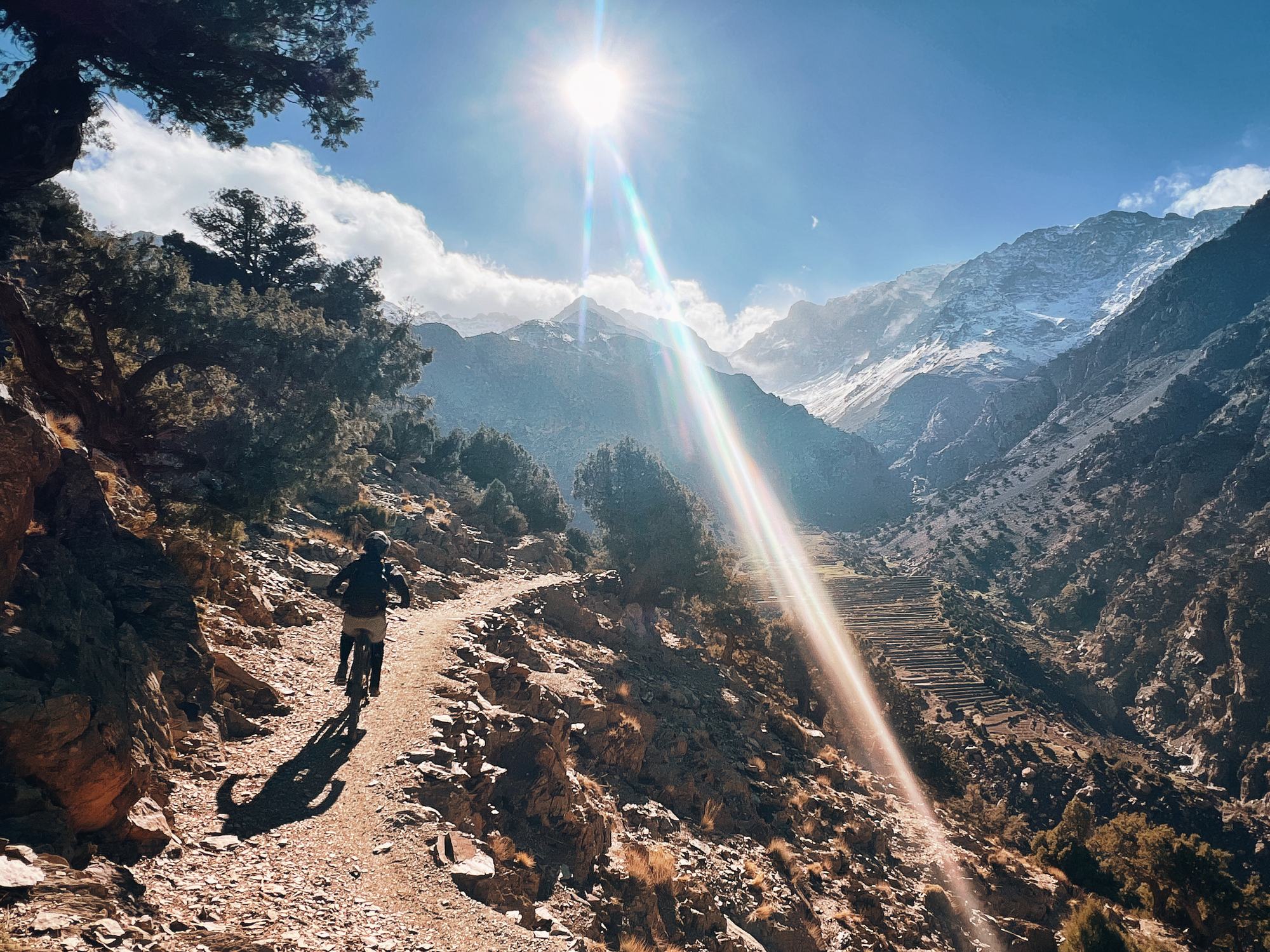
When the Alps are under snow, the High Atlas is riding. For more than fifteen years we have been heading down to Morocco every winter, and for the last few seasons we have been doing it with two trips that share the same price, the same length and the same guide: Endu'Rock the Casbah and Zagoride. On paper, they look alike. On the ground, they are two journeys with almost nothing in common.
One strings together the singletracks of the High Atlas, with mules and 4x4s to get back up. The other crosses the country from west to east, all the way to the gates of the desert, on tracks that never rear up. Here is how to tell them apart, based on the programmes as they are actually lived.
What the two trips have in common
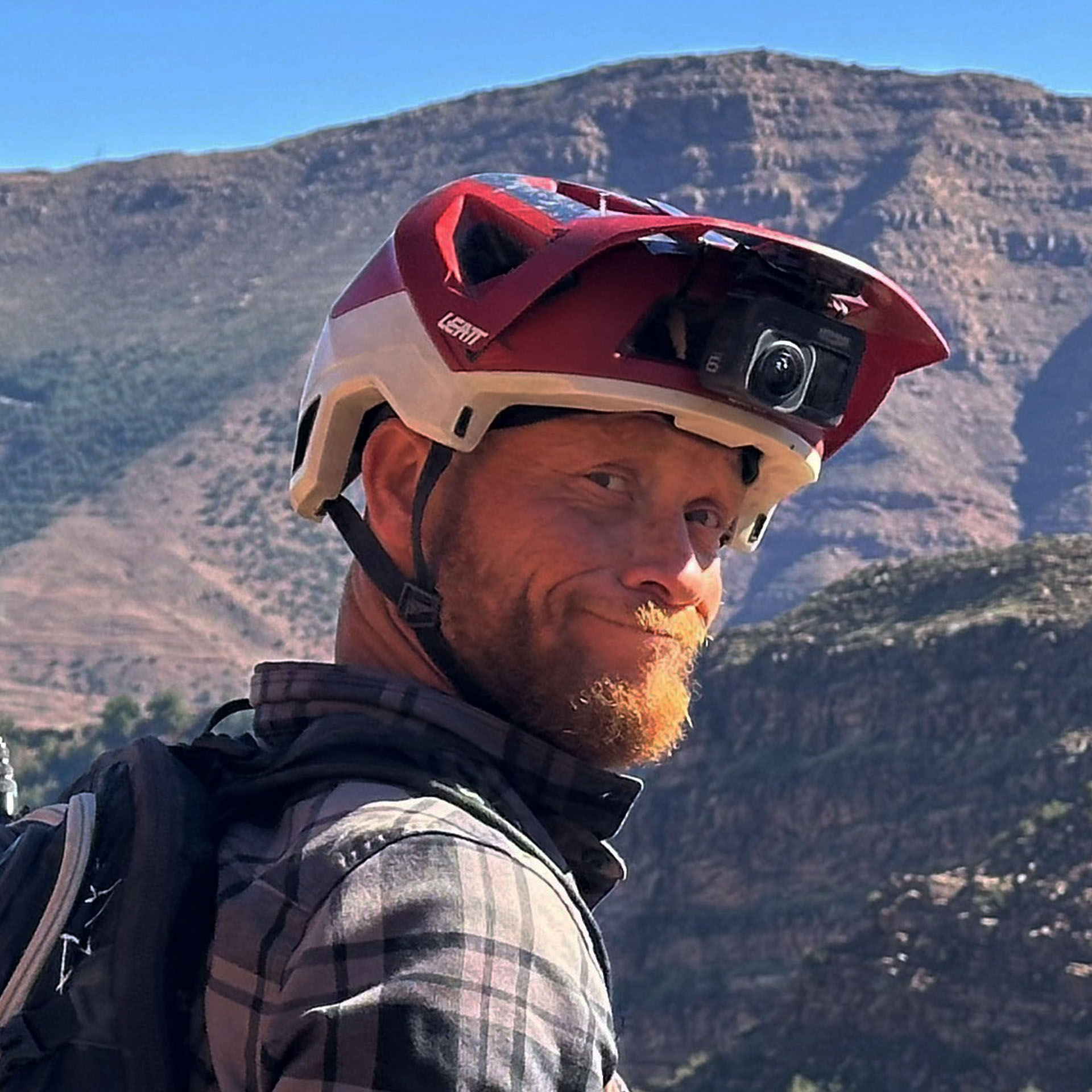
Let's start with the common base, because it is identical and it weighs heavily in the decision: eight days out of Marrakech, 1'890 CHF all inclusive except flights, guaranteed departure as soon as a date is published, and the same guide at the bars, Swiss Cycling certified, riding the High Atlas since 2010. Yes, that's me. Airport transfers, mechanical support, every meal except the last day in Marrakech, mineral water, and the photos and videos of the trip are all part of the price. You can rent a bike on site for 390 CHF, add protective gear from 28 CHF or take a single room for 290 CHF.
In both cases, your suitcase travels by car and you ride with nothing but your daypack. In both cases, the food is Moroccan and often served in someone's home: tagines, couscous, brochettes, baghrir pancakes in the morning, mint tea at any hour. And in both cases, E-Bikes are welcome, with one detail that deserves its own article: the battery does not get on the plane, and we have a solution for that.
In short, it is neither the price, nor the food, nor the welcome that will make the difference. It is the way you ride.
Endu'Rock the Casbah: seven days of enduro in the High Atlas
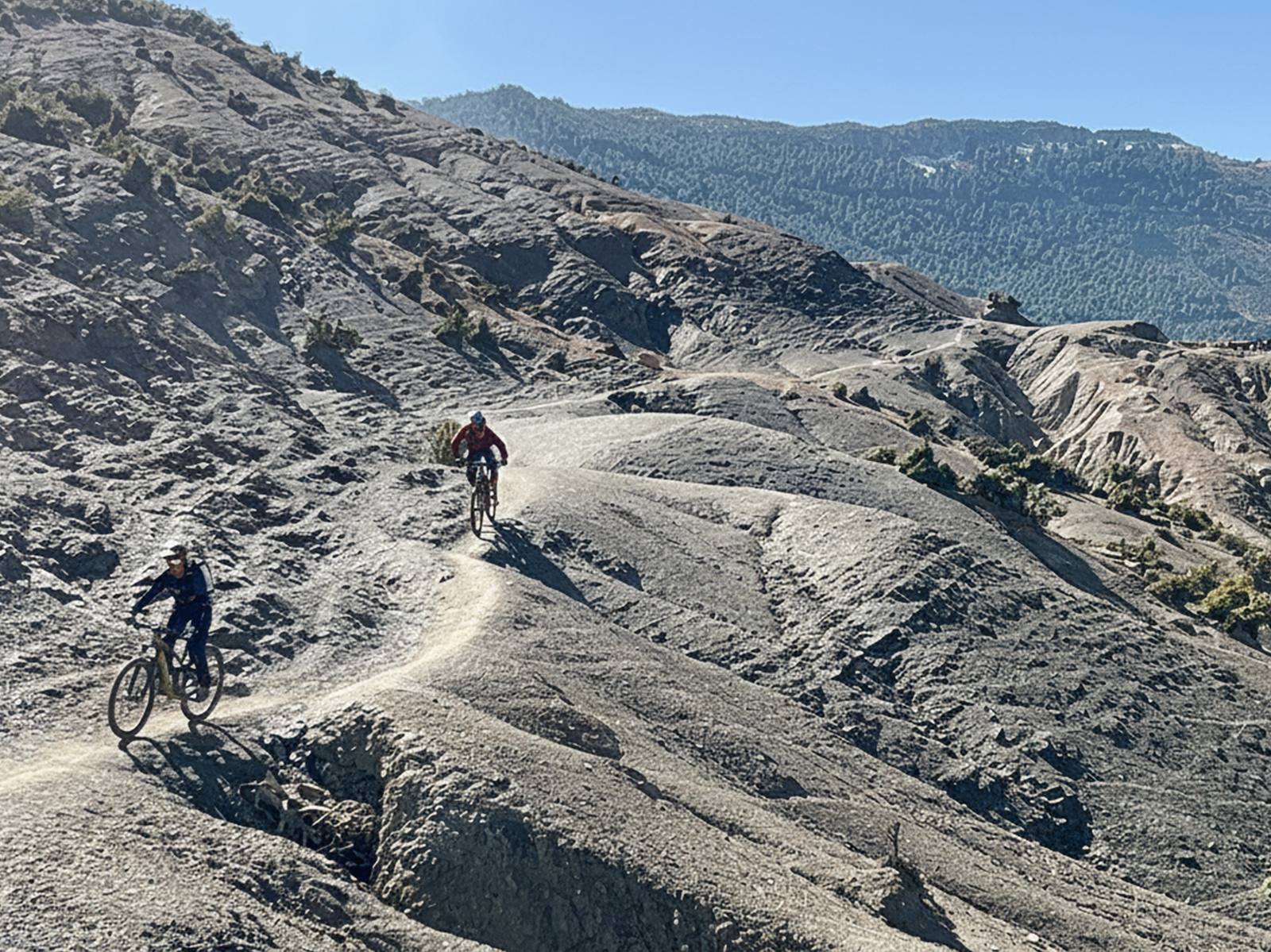
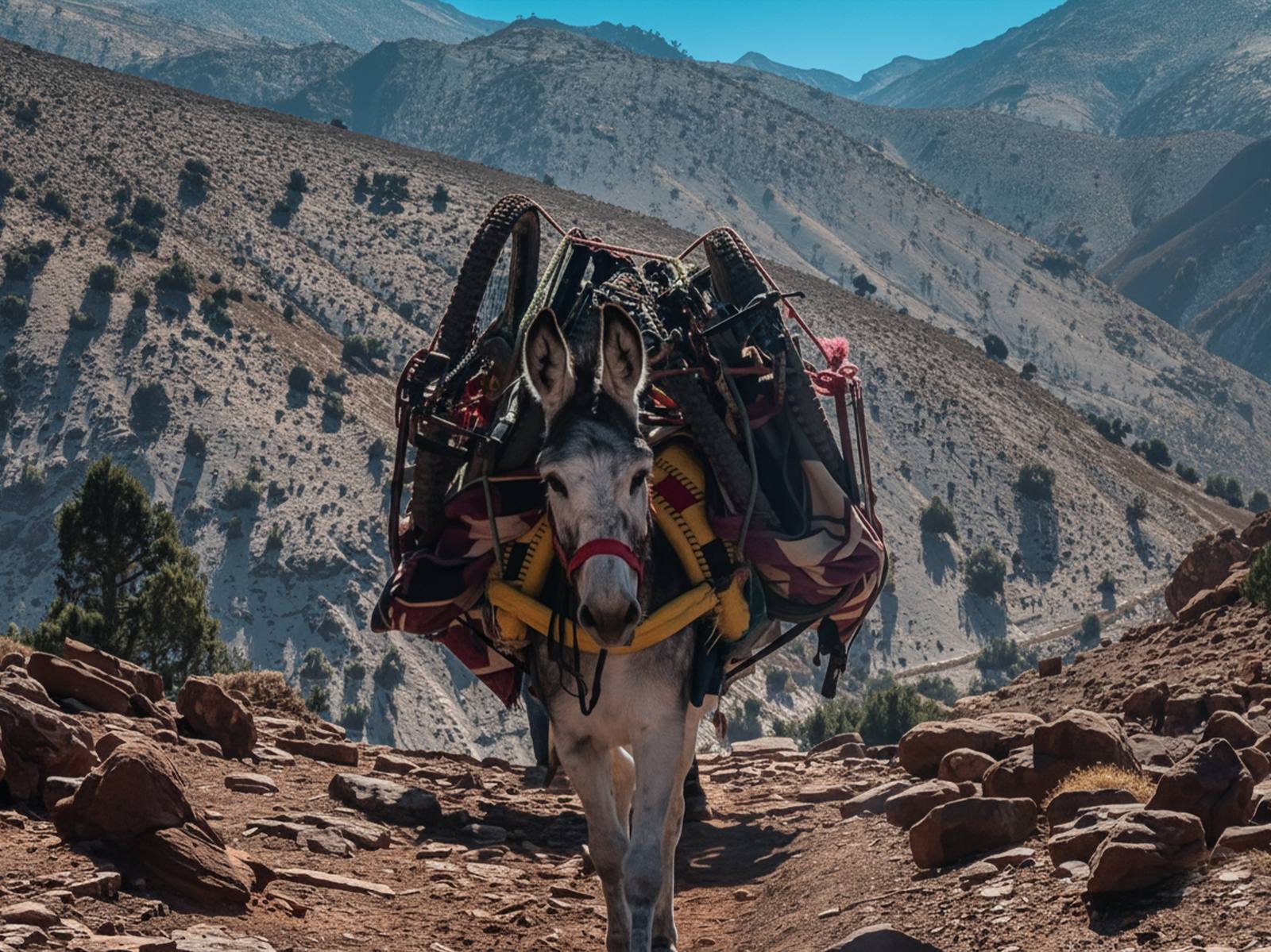
Endu'Rock is a gravity trip. Seven riding days out of eight, 201 km, and above all 13'400 m of descending for only 2'650 m of climbing. That ratio says it all: here, you get back up in a 4x4 with local drivers who know every track, or on the back of a mule when the track runs out. On mule day, the village muleteers load the bikes and you walk up, unloaded, 900 m higher, while the animals do the work. Up there, the legendary schist run is waiting: fine gravel that you ski more than you ride, then a trail with perfect flow all the way down to the guesthouse.
The rest of the week alternates the Amizmiz valley and its irrigation channels, the century-old mule paths of Asni on red earth, the "full shuttle" day with 2'400 m of descending before Ouirgane, and the start from Oukaïmeden, the highest ski resort in Africa, to plunge into the valleys of the Ourika. The last day offers a singletrack through the woods before the evening in Marrakech, between the souks and the Jemaa el-Fna square.
Level-wise, we have rated this trip 3/4 technical and 2/4 physical. In plain words: it is for regular riders of intermediate level and above, comfortable on singletracks. The terrain is varied but mostly easy, dry, often smooth, sometimes rocky. The shuttles keep the climbing to a minimum, and mountain experience counts as much as technique. Your bike: a full-suspension with 140 to 170 mm of travel, pedal-powered or electric, fully serviced.
Zagoride: the gentle crossing, from the High Atlas to the gates of the desert
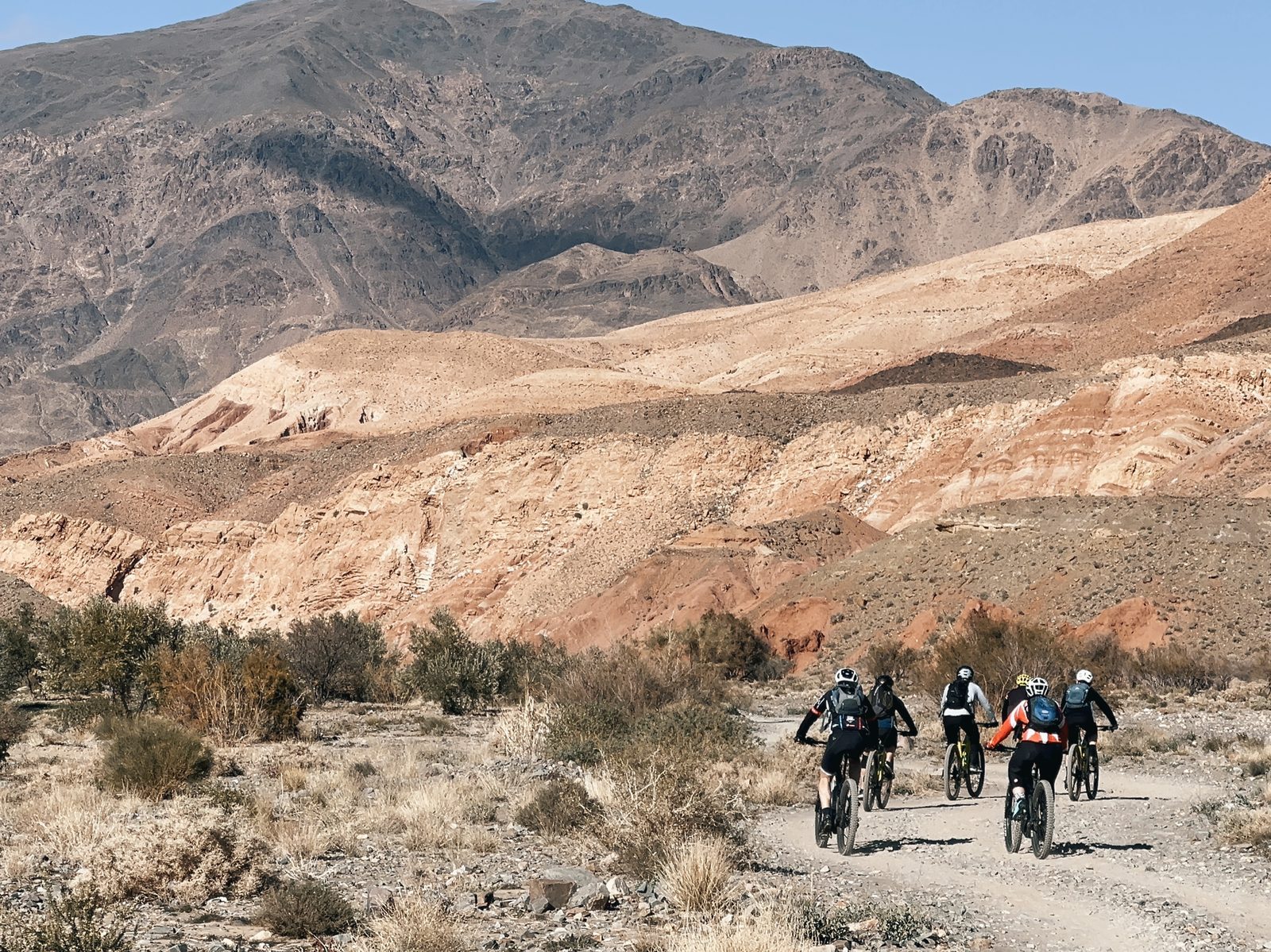
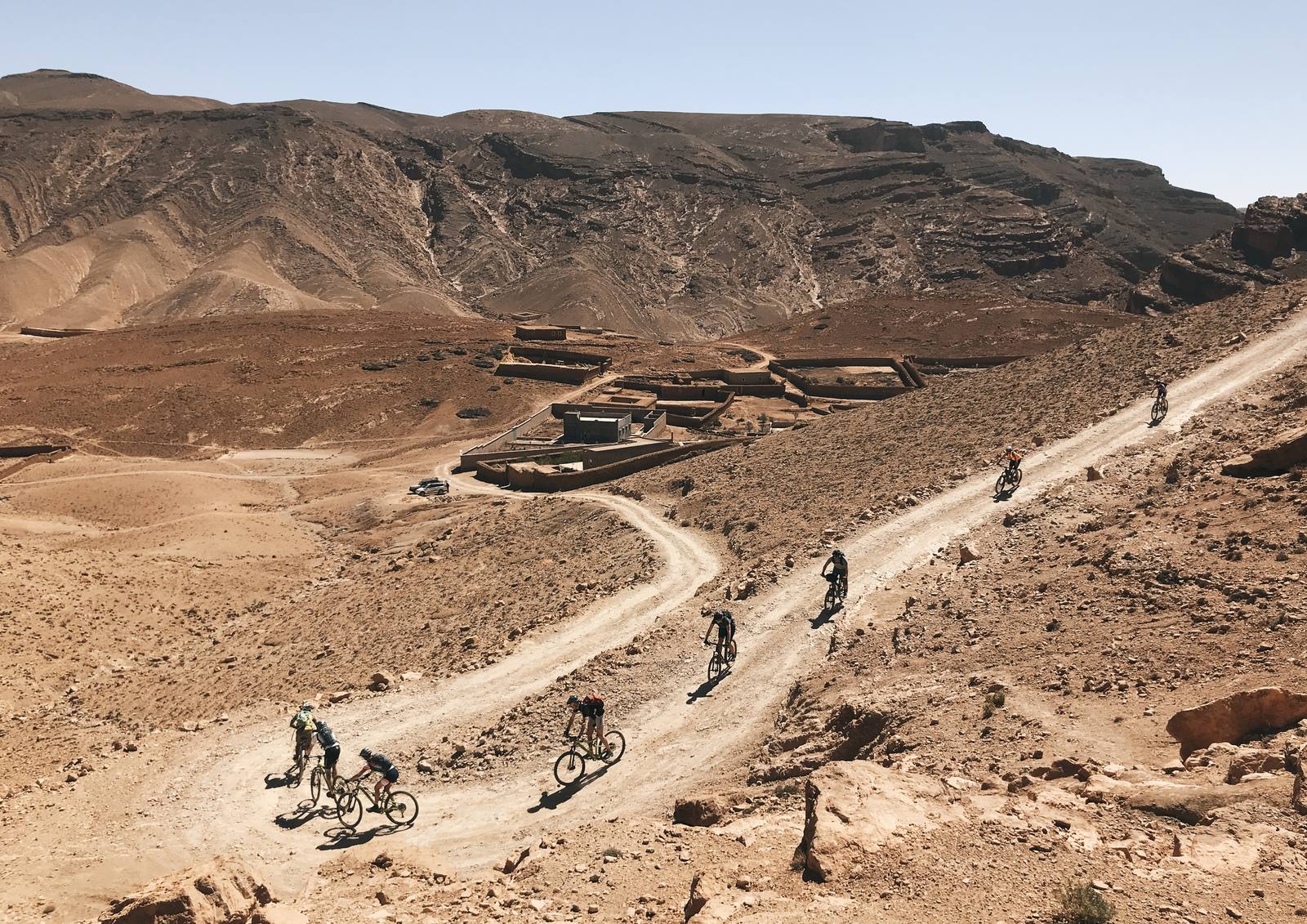
Zagoride is a journey. Five riding days to link Ouarzazate to Zagora in the footsteps of the old caravans, 285 km, 3'500 m of climbing and 3'950 m of descending. No shuttles for the climbs here: you ride them, but on 4x4 tracks and easy trails, never steep, with the support car following at all times. On the day your legs feel heavy, you hop in the car and nobody gives you a second look.
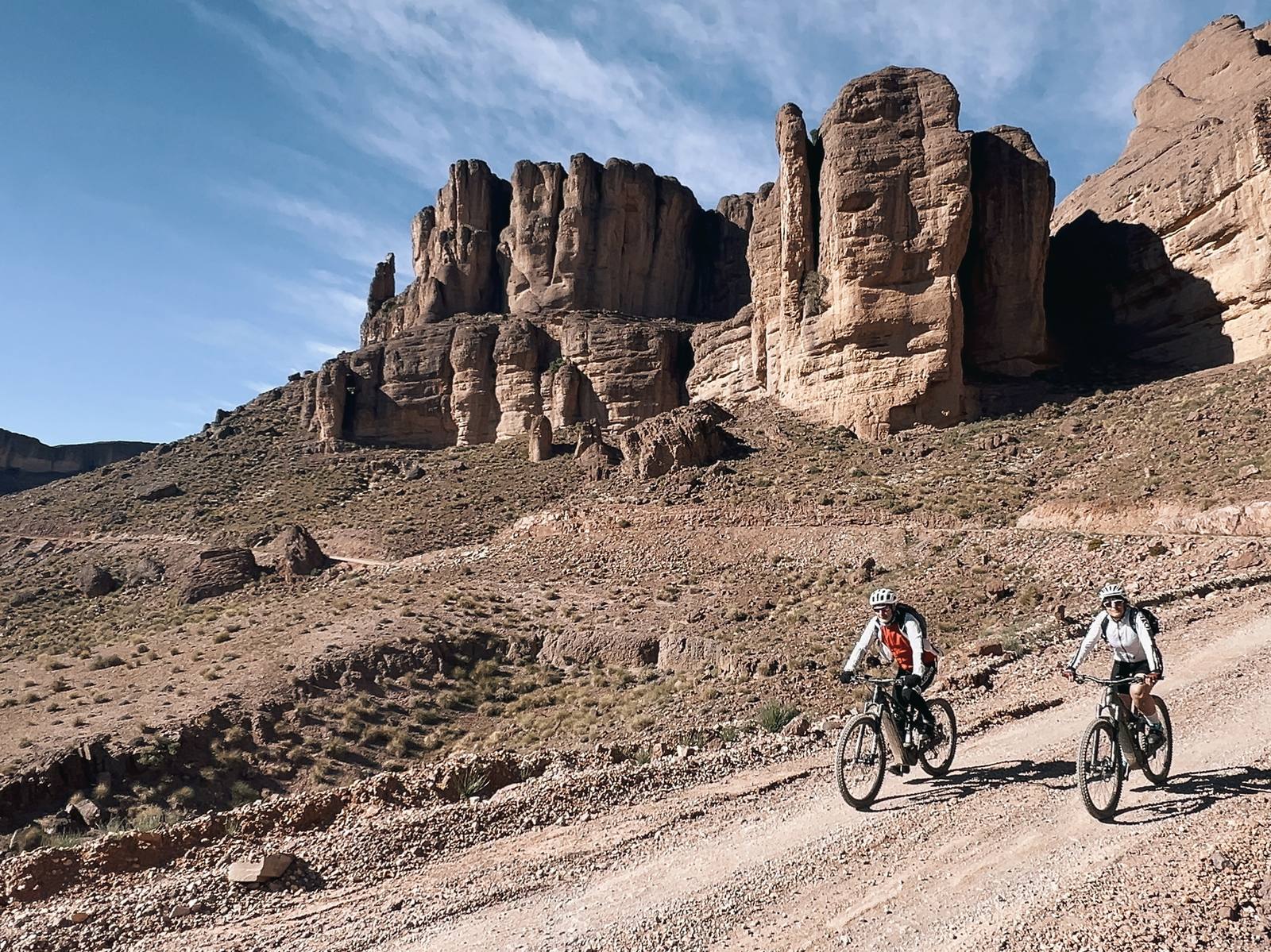
The scenery changes every day. The Imeghrane valley and its earthen villages to warm up the legs, then the kasbahs and a mule path leading towards the Dadès, between red cliffs and irrigated gardens. Then comes the high point of the trip: the crossing of the Jebel Saghro over a 2'000 m pass, on jagged volcanic rock tracks, in nomad territory. Then the camps and the oases, the long 1'300 m plunge down to the Draâ valley, the shaded maze of the palm grove, the fortified ksour and the night in a mud-brick kasbah, before Zagora and its famous sign, Timbuktu 52 days by camel. The return to Marrakech goes over the Tizi n'Tichka pass.
The level? 1.5/4 technical and 2.5/4 physical. Zagoride is for every regular rider, from the motivated beginner to the experienced rider who wants to travel without stress. The 50 to 65 km stages mostly call for endurance and the will to ride several hours a day. On an E-Bike, the trip becomes accessible to every pair of legs. Your bike: a full-suspension with 100 to 150 mm is more than enough, tyres of 2.0 inches minimum, tubeless recommended.
The comparison, point by point
Endu'Rock the Casbah
Zagoride
The spirit
Enduro: you ride the trails, the logistics get you back up
Crossing: you ride a country, from west to east
Riding days
7 out of 8
5 out of 8
Distance
201 km
285 km
Elevation
2'650 m up, 13'400 m down
3'500 m up, 3'950 m down
Technical level
3/4
1.5/4
Physical level
2/4
2.5/4
The terrain
Red earth and schist singletracks, mule paths, flow trails
4x4 tracks and easy trails, never steep
Getting back up
4x4 and mules, with 900 m on foot on mule day
Under your own power, support car at all times
The bike
Full-suspension 140 to 170 mm, MTB or E-Bike
Full-suspension 100 to 150 mm, MTB or E-Bike
On an E-Bike
Welcome, same terrain
Welcome, and the trip opens up to every pair of legs
The group
6 to 8 riders, up to 10 for a private trip
8 to 10 riders
The nights
Guesthouses, a renovated sheepfold, charming hotels, two pools
Family-run gîtes, one night in a kasbah, hotels in Marrakech
Extra to plan for
Laundry possible mid-week
Sleeping bag or sheet liner, no laundry on the way
The highlight
The schist run and the mule shuttles
The Jebel Saghro and the Draâ palm grove
Price
1'890 CHF
1'890 CHF
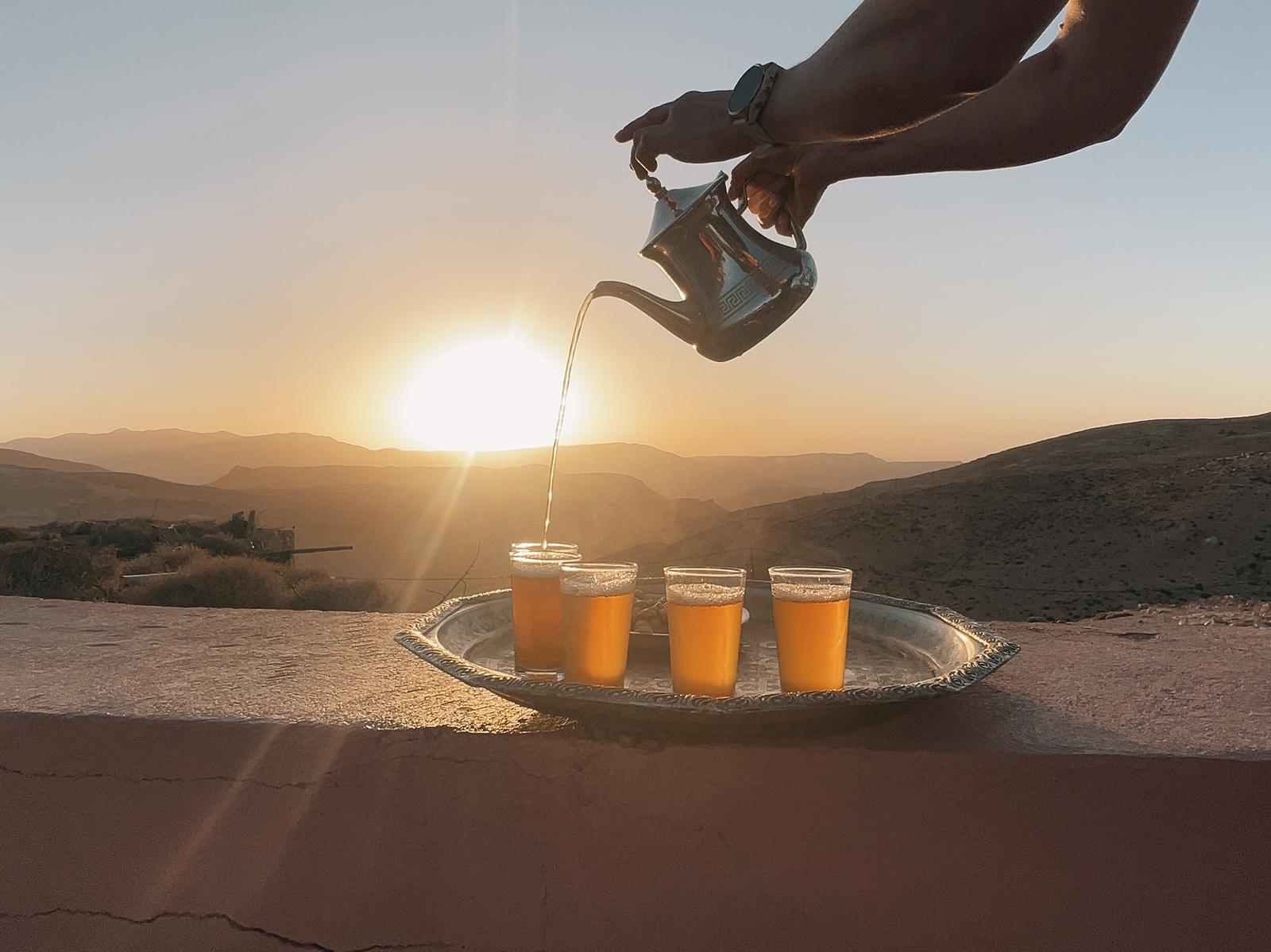
The schist runZagoride's rolling tracks above an earthen villageMules carry the bikes up to the passRock towers in the Jebel SaghroTea poured from high up, the evening ritualSee all 9 photos
Terrain and bike: what really changes
The difference is not in the raw difficulty, it is in the nature of the effort. On Endu'Rock, you spend your days in the attack position: more than 2'000 m of descending a day, rocks, punchy sections, mule-path switchbacks. The body works on the runs, your arms and thighs remind you of it in the evening, but you have almost nothing to pedal uphill. That is why an enduro bike, with its 140 to 170 mm and reinforced tyres, is not a luxury.
On Zagoride, you pedal. A lot, for a long time, but rarely hard. The tracks are wide, the ground rolls well, the climbs are steady, and the only real technical difficulty of the week comes down to a few kilometres of volcanic rock in the Saghro, taken at your own pace. A trail bike or an E-Bike with 100 to 150 mm is perfect, and the weight of the bike matters less than your endurance.
A simple way to decide: if your ideal day is a shuttle day in Valais where you string the runs together, Endu'Rock is your trip. If it is a big day-long loop with a picnic in the pack and the scenery rolling by, Zagoride is made for you. And if you are unsure about your level, our level scale and the questionnaire to place yourself are there for that.
The rhythm of the days
Endu'Rock has the rhythm of a riding week: you get up, load the bikes on the 4x4, go up, ride, go up, ride again. Between two runs, tea in a family home, a slow-cooked tagine, a visit to an olive press where the millstone still turns thanks to a mule. The days are full, and two afternoons end by a pool, legs in the water.
Zagoride has the rhythm of an expedition. The stages are long and the landscape changes slowly, from the mountains to the stone desert and on to the palm grove. You pass nomad camps and ruined ksour, stop for tea in an earthen house, and every evening you sleep a little further along than the night before. The bike is the means of travel, not the end in itself.
The nights, the table, the comfort
Both trips sleep well, but not in the same places. Endu'Rock alternates charming guesthouses, one night in a renovated sheepfold with a rooftop terrace facing the peaks of the High Atlas, and the hotels of the Ourika valley and Marrakech. Two pools punctuate the week, and laundry gets done mid-trip.
Zagoride is simpler, and deliberately so: family-run gîtes, spotless and full of charm, one unforgettable night in a mud-brick kasbah on the edge of the palm grove, a pool or a hammam when they are available, and a comfortable hotel in Marrakech on arrival and on the way back. Bring a light sleeping bag or a sheet liner, and clothes for the whole week: no laundry on the way.
The table does not change: generous, Moroccan, often shared with the family hosting you.
Winter in Morocco, weather-wise
Our Morocco trips run from October to early April, and winter is a beautiful time to ride. The days are mild and dry, ideal for mountain biking, with a sun we have somewhat forgotten in Valais. Mornings and evenings are cool at altitude, especially in the High Atlas where the summits are snow-covered: a good warm jacket is all you need. It is generally dry, a short spell of rain remains possible and the programme adapts.
One small nuance between the two: Endu'Rock rides higher, up to 2'600 m at Oukaïmeden, where you set off from the ski resort. Zagoride rides between 800 and 1'500 m, crosses a single 2'000 m pass and ends at the gates of the desert.
So, which one is for you?
You ride regularly, you love singletracks, you have already done shuttle days or mountain rides and you want enough descending to make your arms shake: Endu'Rock the Casbah, no hesitation.
You want to discover Morocco by bike, at an accessible technical level, pedal-powered or on an E-Bike, and the idea of crossing a mountain range and then riding through a palm grove makes you dream more than a schist run: Zagoride.
You are travelling as a couple or with a group of friends of different levels: Zagoride, where the E-Bike evens out the gaps and the support car reassures everyone.
You have already done Endu'Rock and want to see the other Morocco, or the reverse: the two trips complement each other, and this winter the dates follow one another. Write to us and we will organise the link-up.
And from six people, either one can be run privately on your date, with a programme tuned to the group's level.
The dates for winter 2026-2027
Endu'Rock the Casbah, seven riding days in the High Atlas:
Remaining places are shown live on each page, and every departure is guaranteed: you can book your flights and request your holidays. All our Morocco trips are on the dedicated page, including the M'goun Hike & Ride for those aiming at a 4'000 m summit.
Frequently asked questions
I mostly ride cross-country, is Endu'Rock too technical for me? If you are comfortable on singletracks and used to days in the mountains, no: the terrain remains mostly easy and the more technical sections are taken at your own pace. If you have never ridden rocky trails, start with Zagoride, or write to us to talk it through.
Zagoride on a regular mountain bike, is it doable? Yes. What it takes above all is endurance for 50 to 65 km stages on rolling tracks, and the support car remains an option every day. On an E-Bike, everyone keeps up.
Do I need an enduro bike for Zagoride? No. A full-suspension with 100 to 150 mm, with tyres of 2.0 inches minimum, is ideal. For Endu'Rock, on the other hand, plan on 140 to 170 mm and reinforced casings. In both cases, we can rent you a bike, pedal-powered or electric.
Is it cold in Morocco in winter? The days are mild and sunny, perfect for riding. Mornings and evenings are cool at altitude, a warm jacket does the job. That is precisely why we go from October to April.
Can the two trips be done back to back? Yes. In November as in February, the dates follow one another: a week of Endu'Rock and a week of Zagoride, in either order. Contact us to organise the transition between the two.
See you on the trails of the High Atlas, or on the tracks of the Saghro. Either way, we can't wait.
We have just ridden it for the first time, and we immediately put it back on the calendar: the Zermatt e-bike weekend joins the Exoride programme. Two days, a hotel facing the Matterhorn, natural trails starting at 3,400 metres, and all the logistics handled from Martigny.
Here is what it is, why we created it, and who it is for.
This year, for the third time, I lined up at the Megavalanche in both categories: one race on a classic mountain bike, one race on an e-bike. Same mountain, same terrain, two machines: it has become my little full-scale comparison ritual. And this edition, I will not hide my joy: a podium in each category (1st master on the classic bike, 2nd on the e-bike). I mention it less to show off than for what it guarantees: what follows comes from two races actually raced flat out, not from armchair theory. For the rest, I will not draw any grand truths: just what I felt, after a good few years of riding and these two races in my legs.
Because the question comes up at every ride, every rental, every lesson: "E-bike or classic?" And the honest answer is rarely the one people expect.
Keine Sorge, wir sind zu viel unterwegs, um ihren Posteingang zu überfluten. ;)
They have always been with us
Our loyal partners
We use cookies and similar technologies to improve your experience on our website.
Read our Privacy Policy.
Chris
Guide and instructor
Available on WhatsAppOn the trail, replies in the evening
Chris
Hi! Tell me what you're after, a day out, a trip, a course or some gear, and I'll get back to you as soon as I can.I'm out on the trail. Leave your message here and I'll reply this evening by email.
Opens WhatsApp with your message, +41 79 644 59 29.Goes straight to Chris, reply to the address you give.
Niveau 1/4
Tu es capable de faire du vélo sur deux-roues, sur la route ou des chemins carrossables. Tu n'as aucune expérience de la pratique du vélo en tout terrain.
Niveau 2/4
Tu es un pratiquant régulier avec des expériences passées sur des terrains montagneux. Tu maîtrises la montée et la descente sur des sentiers de modérés à raides avec parfois des obstacles naturels comme des racines ou des rochers. Tu es capable de franchir des petites marches ou des rochers jusqu'à 20 centimètres de hauteur, en montée comme en descente. Ton expérience te permet de savoir quand est-ce que tu dois marcher, lorsque le terrain devient trop exposé ou dangereux.
Niveau 3/4
Tu es un pratiquant régulier qui apprécie les sentiers techniques et pentus. Tu es à l'aise sur le sec comme dans le gras, en montée comme en descente. Tu es capable de facilement rouler une piste rouge dans un bikepark, de franchir des marches jusqu'à 30 centimètres, en montée comme en descente, et d'effectuer de petits sauts de manière contrôlée lorsque le terrain l'exige. De plus, tu es à l'aise avec l'exposition. Ton expérience te permet de savoir quand est-ce que tu dois marcher, lorsque le terrain devient trop exposé ou dangereux.
Niveau 4/4
Tu es un pratiquant expérimenté avec plus de cinq ans de pratique régulière. Tes aptitudes te permettent d'aborder avec assurance tous les types d'obstacles naturels ou artificiels. Racines mouillées, pierres, terrains très raides, épingles serrées nécessitant de faire des noseturns, sauts, gaps et drops. Tu es à l'aise sur des parcours classés noirs en bikepark ou tu as déjà participé à plusieurs compétitions. Ton expérience te permet de savoir quand est-ce que tu dois marcher lorsque le terrain devient trop exposé ou dangereux.
The Exoride newsletter, once a month
Join the Exo'community
The Exo'community is the crew that rides with us. One newsletter a month: new dates before anyone else, stories from the trails and the best photos from the rides. Welcome aboard, with 5.- of Exo'points for your first day.
One newsletter a month, no more. Unsubscribe in one click. Your Exo'points activate once you confirm your address.